

Population dynamics and spatial distribution of antelopes in West and Central African savanna ecosystems in the Anthropocene
Financováno z prostředků: Antelope Conservation, IGA FTZ
Hostitelská instituce: Česká zemědělská univerzita v Praze
Hlavní řešitel na ČZU/FTZ: Pavla Hejcmanová, Karolína Brandlová
Anotace: Antelopes are a diverse group of herbivorous mammals that underpin the functioning of savanna ecosystems. They influence processes across multiple tropic levels, contribute to nutrient cycling, shape complex biotic interactions, and interact closely with people, especially in pastoral landscapes. Yet many species now face unrelenting pressures from habitat loss, pastoral and agricultural expansion, illegal hunting, and increasing human presence. Understanding their population dynamics, key resources, and responses to human and livestock is therefore critical for developing effective strategies that foster long-term coexistence and safeguard savanna antelope species.
Our work focuses on understanding how many antelopes there are and how they move, use space, and make decisions across a mosaic of landscapes that vary in conservation and land-use practices. Using a combination of GPS telemetry, camera trapping, remote sensing, and advanced spatial modelling, we explore how environmental conditions, habitat structure, human disturbance risks, pastoralism, and influence their behaviour and population viability. By integrating ecological data with management realities on the ground, our research aims to support evidence-based conservation planning across African savannas.
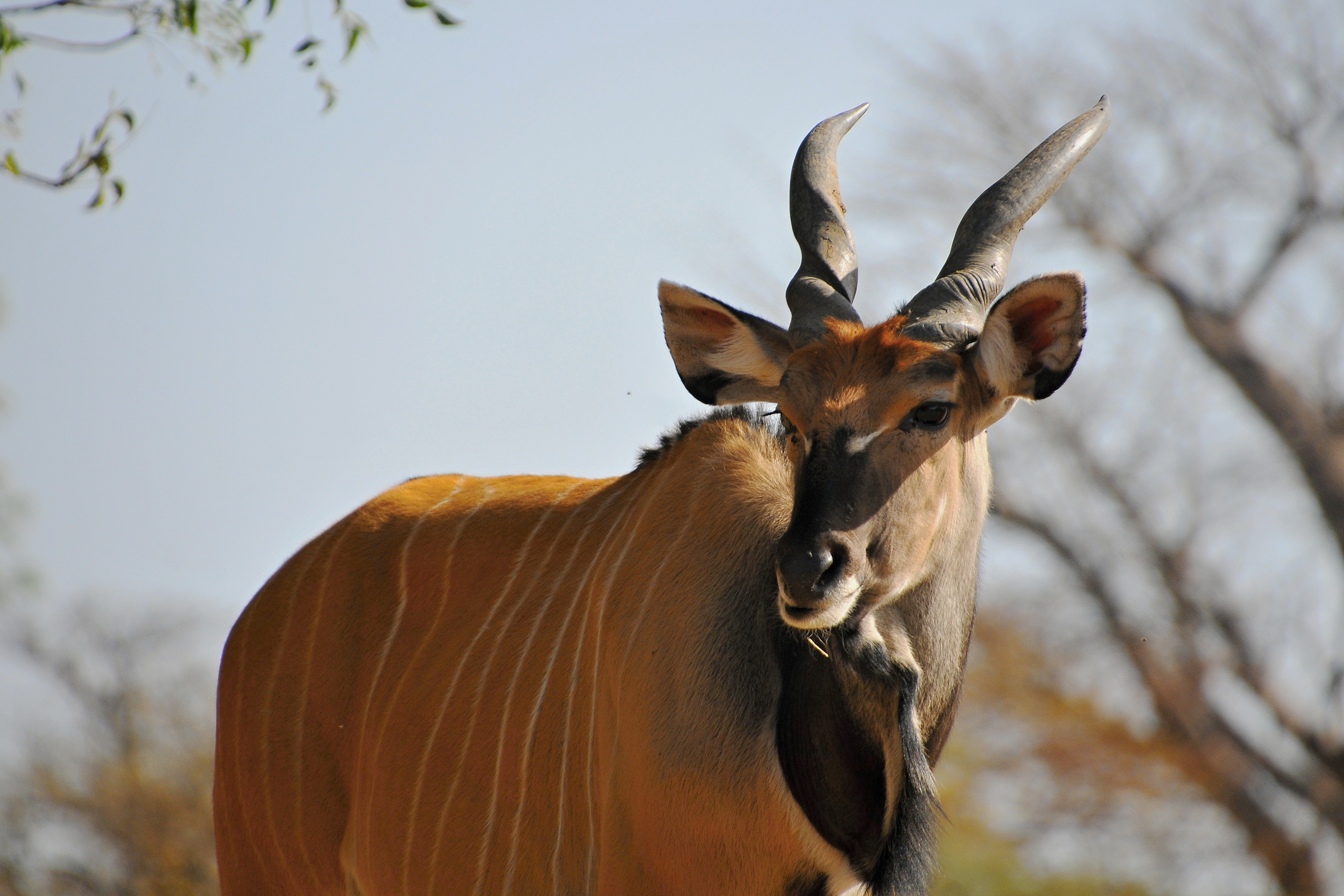
We work with a set of model species that reflect the ecological diversity and conservation challenges of African savannas. These include the iconic giant eland, the endangered korrigum, and common species such as western hartebeest, bushbuck, and roan antelope. Beyond antelopes, we also study other key herbivores such as the West African giraffe and the common warthog, which help illustrate broader patterns of resource use, movement, and human–wildlife coexistence.
Our research spans several emblematic landscapes, including Niokolo Koba National Park and its surroundings in Senegal, the Pendjari–WAP complex in Benin, the pristine Chinko Conservation Area in the Central African Republic, and the protected areas and hunting concessions of northern Cameroon. These contrasting ecosystems provide a unique opportunity to understand how wildlife responds to different ecological conditions and land-use contexts.
Central to our approach is ensuring that scientific insights translate into meaningful conservation impact. We work closely with conservation authorities and, importantly, with local experts to co-develop management recommendations, strengthen monitoring systems, and support long-term decision-making for the protection of savanna wildlife.
