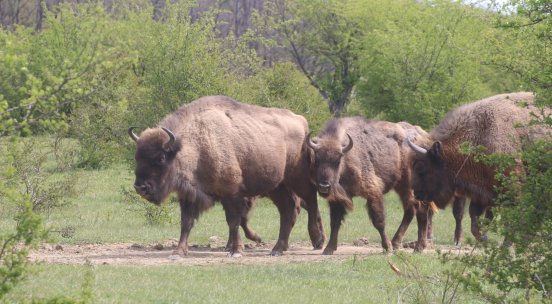

A new scientific reply challenges claims against European bison rewilding in the Iberian Peninsula, arguing that current evidence is insufficient to rule out their historical presence or ecological suitability. The authors call for a balanced, evidence-based debate, emphasizing that further interdisciplinary research is essential before drawing firm conclusions on the species’ role in future conservation strategies.
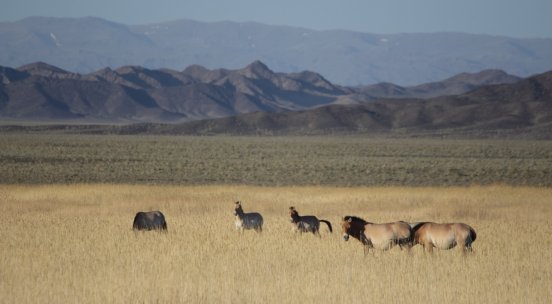
A new international study reveals that origin matters for reintroduced Przewalski’s horses: wild-born individuals use higher-quality habitats more effectively, while released horses continue adapting to natural conditions. The findings highlight how experience, seasonal changes, and human presence shape behaviour, offering valuable guidance for improving conservation and reintroduction strategies.
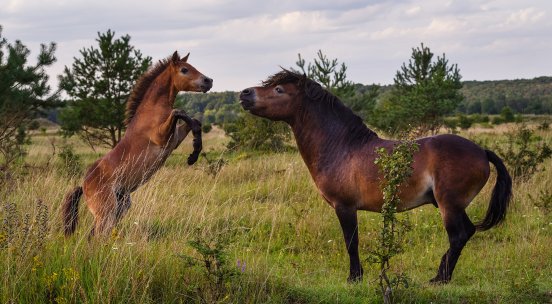
Paternal behaviour of stallions was revealed in the study of our team members in collaboration with colleagues from the University of South Bohemia, which was recently published in the prestigious journal Animal Cognition.
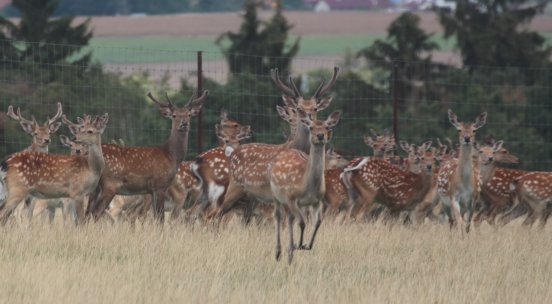
Deer farming is economically important as for commercial venison, velvet antlers, trophy hunting, and other by-products. To improve production, feeding deer with high-quality protein and balanced amino acid content is important for adequate muscle growth and production, particularly for winter survival when food is scarce and in poor food sources. Ruminally-protected Lysine and Methionine are encapsulated amino acids which protect them from rumen degradation and are released for absorption in the small intestine, making it highly available for the animal.
Recent research by the Animal Physiology and Behaviour team on yearling fallow deer bucks show that adequate combination of these amino acids improves first antler growth (antler weight and burr perimeter), growth and internal fat storage for winter survival.
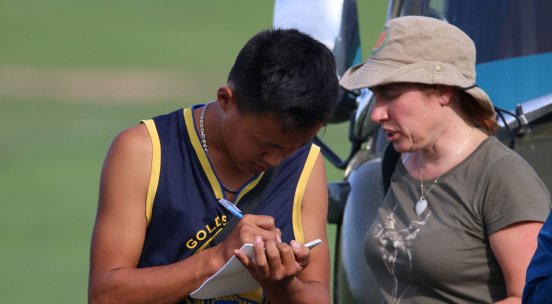
For the last two years members of our Faculty of Tropical AgriSciences have been lecturing a summer school on “livestock-wildlife interactions”, organised by the NGO People in Need. This initial contact finally lead to signing a Memorandum of Understanding with the National University of Mongolia,
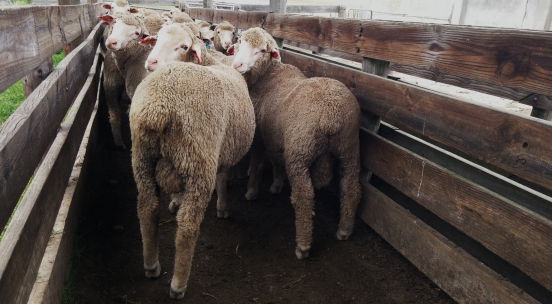
The physical castration of male livestock is currently under scrutiny due to its detrimental effects on animal welfare and thus alternative solutions to controlling behaviour and meat quality are desperately required within the animal production industry.
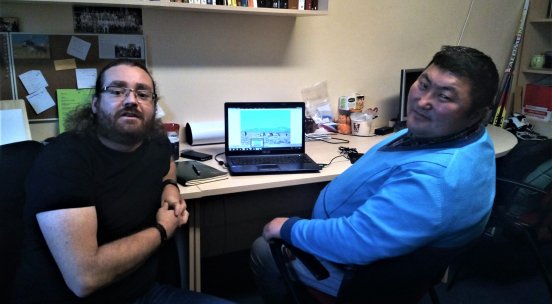
In December, FTA had the pleasure to host the director of Great Gobi B Strictly Protected Area in Mongolia, Ganbaatar Oyunsaikhan, as part of the ongoing collaboration between our institutions and Prague Zoo.