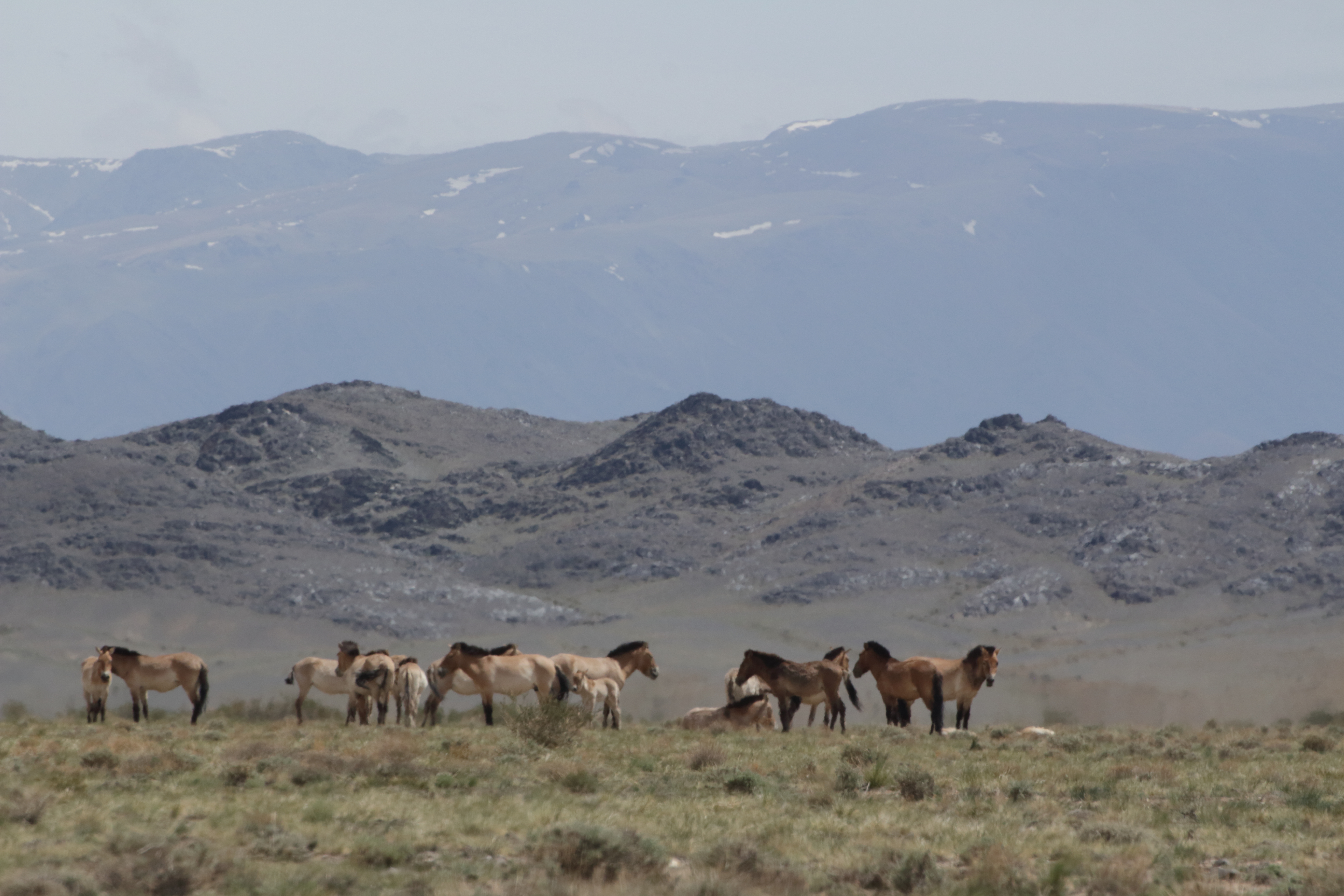

Researchers from the Animal Physiology and Behaviour research team and international partners (Prague Zoo, the Mongolian NGO We Help Them To Survive, the University of Cordoba in Spain, and the University of Porto in Portugal) have published a new study shedding light on how reintroduced and wild-born Przewalski’s horses use their habitat differently in Mongolia’s Great Gobi B Strictly Protected Area. Using advanced ecological modelling and satellite-derived environmental data, the study provides practical recommendations for improving reintroduction success.
Different origins, different strategies
Przewalski’s horse, once extinct in the wild, has been gradually reintroduced since the 1990s. Today, populations consist of both animals born in the wild and individuals released from captivity. Understanding how these groups adapt to harsh environments was the main focus of this research, which demonstrates that the origin of individuals significantly influences how horses use the landscape for key behaviours such as feeding and resting. Wild-born horses were found to select feeding areas with higher vegetation quality, especially during the growing season. In contrast, reintroduced horses sometimes used less optimal areas, suggesting ongoing adaptation to natural conditions. These findings highlight that not all horses behave the same way after release; experience in the wild plays a crucial role in how animals exploit available resources.
Seasonal changes and human influence
The study also revealed strong seasonal shifts. While wild-born horses preferred productive feeding areas in spring, their patterns changed in autumn likely due to increasing human and livestock presence in the area. Reintroduced horses, on the other hand, appeared more tolerant of human activity, possibly reflecting their captive background and familiarity with people. These differences underline the complex interaction between environmental conditions, animal experience, and human land use in shaping wildlife behaviour.
The paper, led by our PhD graduate Anna Bernátková, has been published in the European Journal of Wildlife Research and represents the final study in a series focused on the behaviour and ecology of this iconic endangered species, providing a comprehensive understanding of how these animals adapt after returning to the wild.
The research was conducted in collaboration with international partners and supported by the Faculty of Tropical AgriSciences (CZU), Prague Zoo, and conservation organisations working in Mongolia.
Bernátková A, Arenas-Castro S, Oyunsaikhan G, Komárková M, Sillero N, Šimek J, Ceacero F (2026). Habitat use differs in released and wild-born Przewalski´s horses of the great Gobi B strictly protected area (Mongolia). European Journal of Wildlife Research 72:75. https://doi.org/10.1007/s10344-026-02110-x
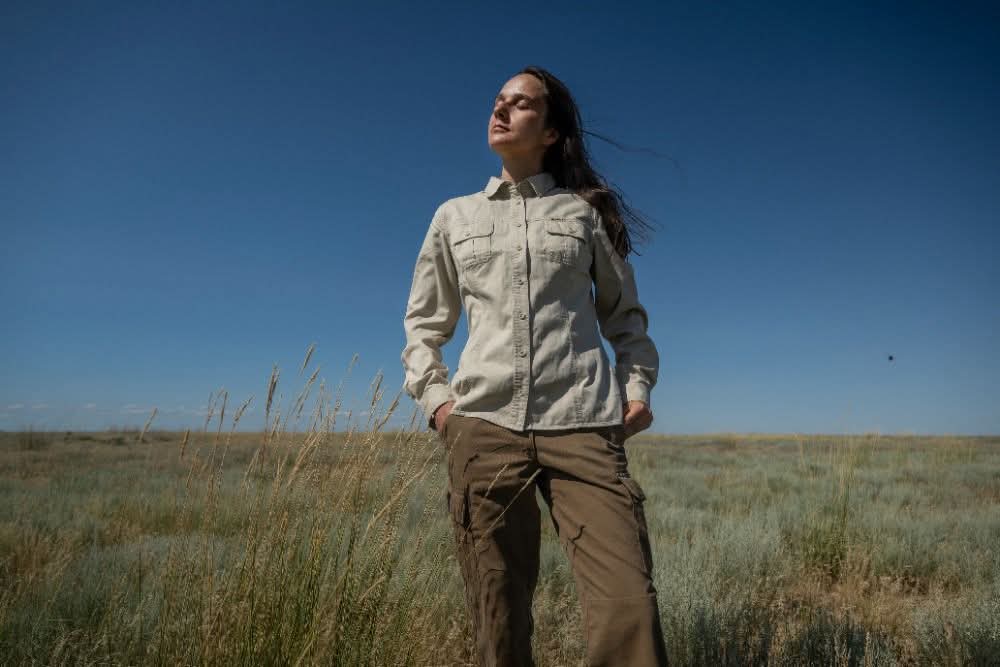
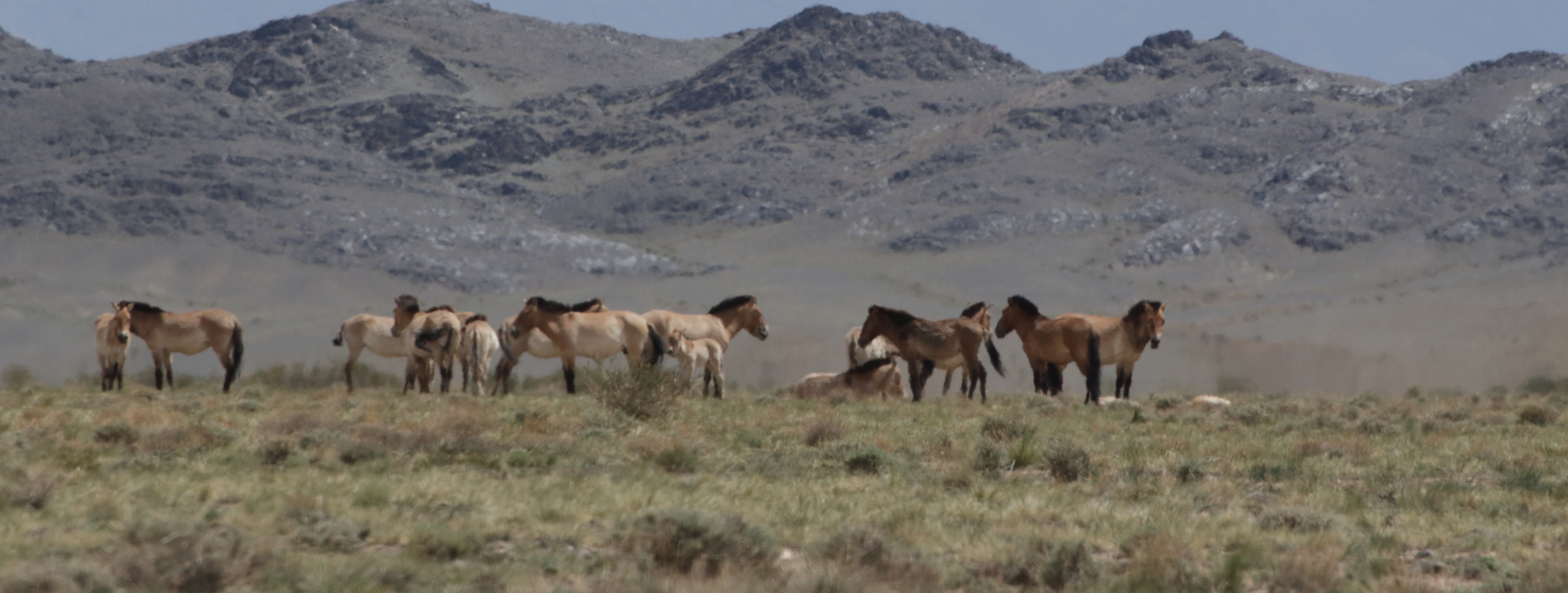
Pictures by Ami Vitale and Francisco Ceacero.