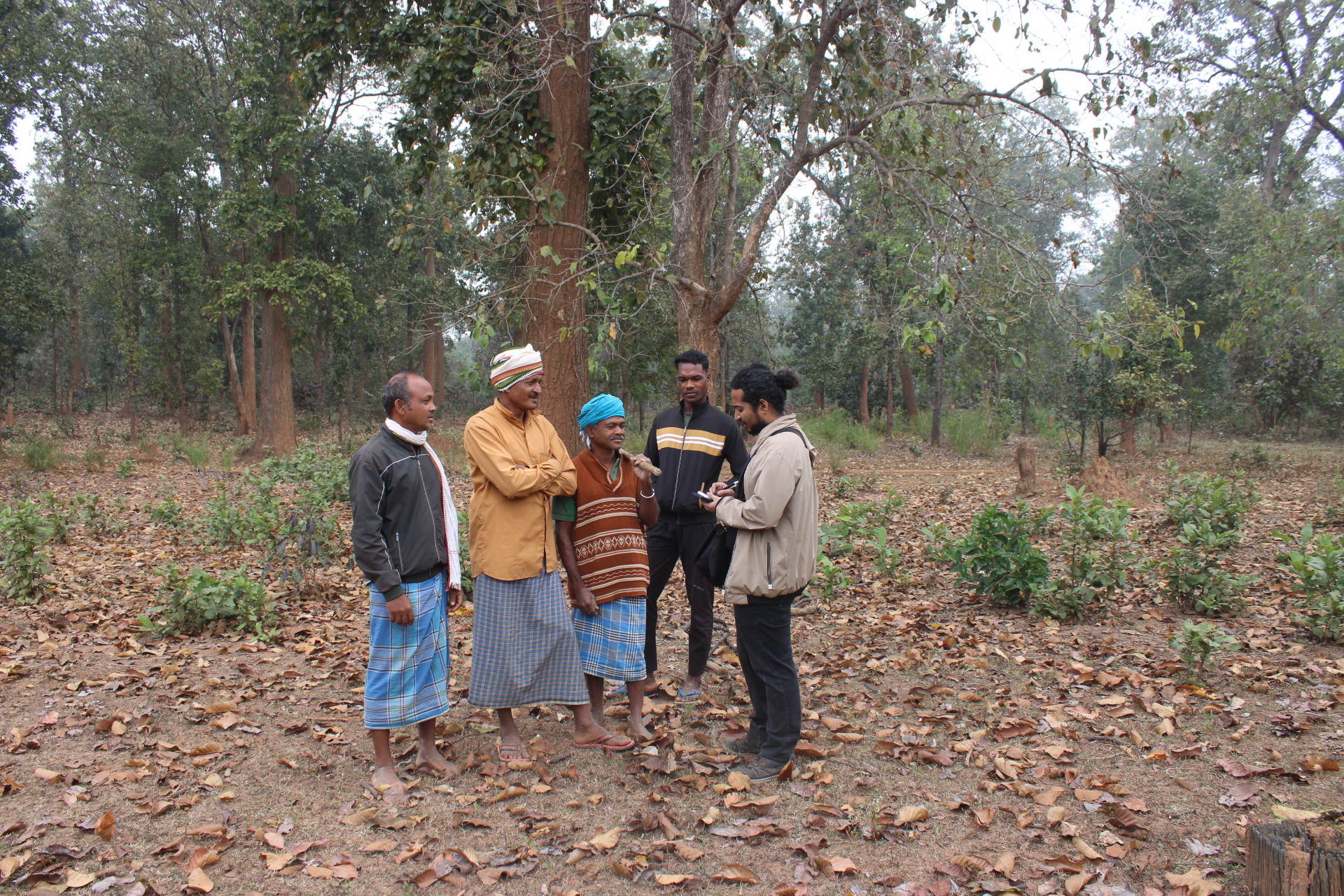

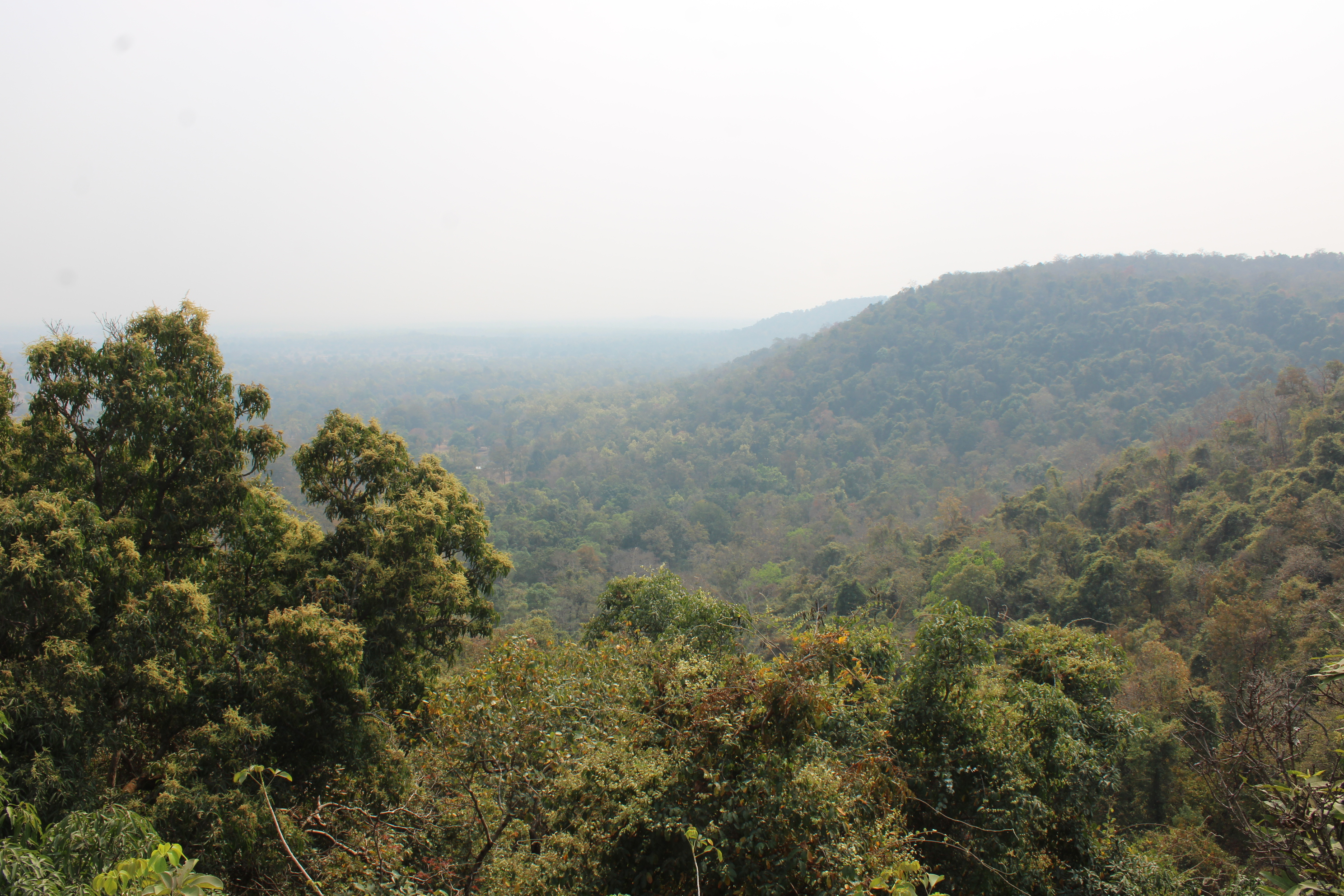
Gond Adivasis are one of the oldest Indigenous communities in India that rely on foraging wild edible plants for food security and biocultural practices. Our recent study published in the journal Ethnobotany and Economic Botany (IF: 1.9, 5 Year IF: 2.1, Q2 in Plant Sciences) investigated the local names of wild edible plants used by Gond Adivasis and tested if they serve any functional purpose in the process of foraging. We documented plant uses and analyzed local names through ‘Folk Taxonomy’ to determine how the Gond Adivasis classify wild edible plants, what their names mean, and how they apply during foraging.
Our results show that Gond Adivasis follow a clear hierarchy and local names act as biocultural indicators detailing plant traits such as plant habit, habitat, morphology, phenology, and taste. The findings show that this folk knowledge is actively used to meet the daily food security of the people, making their traditional knowledge stronger and more resilient against future changes.
The study has been conducted by our colleague Nishanth Gurav (TRIBE team Ph.D. student) in frame of his Ph.D. thesis Ethnobotany of wild edible plants used by Gond Adivasis in Bastar region, Chhattisgarh, India.