

News
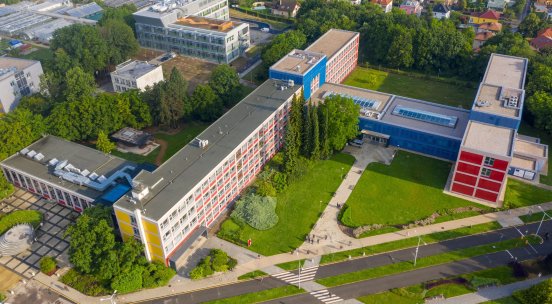
CZU joins the European Sustainable Development Week. Explore the FTZ Botanical Garden greenhouses
The Czech University of Life Sciences Prague (CZU Prague) is once again joining the European Sustainable Development Week (ESDW), a Europe-wide initiative highlighting activities that support sustainable development, responsible consumption, healthy lifestyles and environmental protection.

FTZ research on West African giraffes featured by Nature
Research on the future of the West African giraffe, involving scientists from the Faculty of Tropical AgriSciences (FTZ), Czech University of Life Sciences Prague (CZU Prague), has been featured by Nature as part of its selection of recent research from Africa.

FTZ contributed to international conference on Doctoral education and sustainable agricultural value chains in Kenya
The Faculty of Tropical AgriSciences (FTZ), Czech University of Life Sciences Prague, participated in the international conference “Competence-based Doctoral Training in Agricultural Value Chains and Rangeland Management in East Africa: Collaborative Curricula and Stakeholder Engagement”

FTZ strengthens academic and scientific relations between the Philippines and the Czech Republic
On September 4, 2026, the Faculty of Tropical AgriSciences (FTZ), Czech University of Life Sciences Prague, hosted the first PH-CZ STARR (STrengthening Academic and Research Relations) scientific meeting, bringing together representatives of academia, research and diplomacy to share experiences and explore new opportunities for cooperation between the Philippines and the Czech Republic.
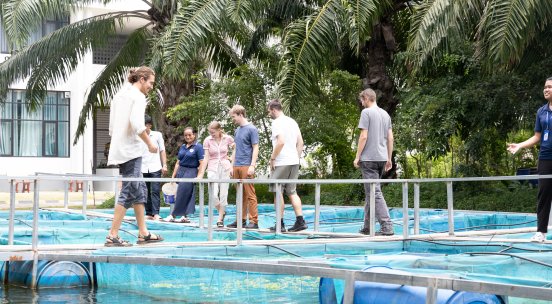
Summer School in Cambodia: CZU students explore local agriculture and research
How do food value chains work in Cambodia? How should data be collected and evaluated in the field? What is the adoption rate of AI tools within the academic environment of Southeast Asia?
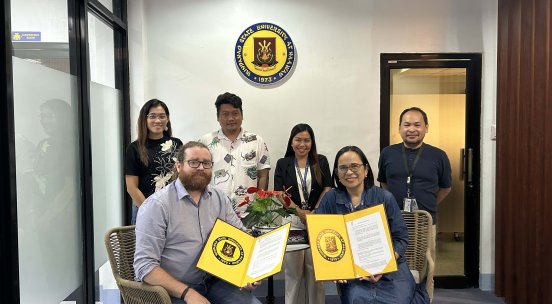
FTZ strengthens scientific cooperation with the Philippines through the first PH-CZ STARR meeting
Over the past few years, the Faculty of Tropical AgriSciences (FTZ) at the Czech University of Life Sciences Prague has been developing strong scientific cooperation with the Philippines, particularly in the fields of animal science, animal physiology and behaviour, and wildlife conservation.