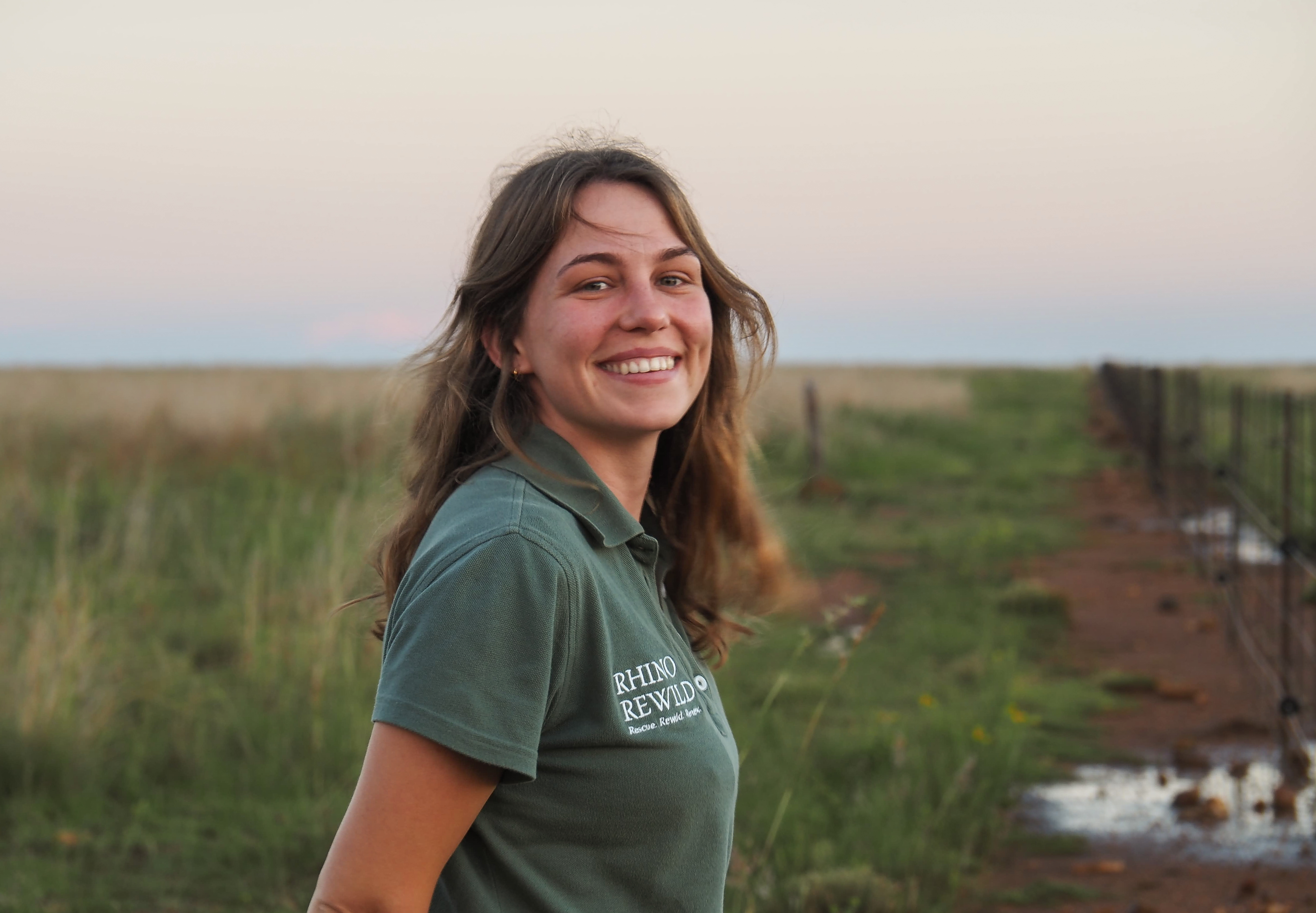

How can studying at the Faculty of Tropical AgriSciences, Czech University of Life Sciences Prague, open doors to a global conservation career? Maxine Piron’s journey shows that the path can lead from Belgium to Prague — and onward to Africa.
Maxine completed her Bachelor’s degree in animal care and veterinary nursing in Belgium. However, she wanted to specialise further in wildlife and sought a programme that would provide practical field skills. After extensive research, she discovered the Wildlife Management degree at the Faculty of Tropical AgriSciences (FTZ).
“The curriculum was clearly designed with a practical focus and the skills necessary for fieldwork. That was exactly what I was looking for,” she recalls.
At FTZ, she studied Wildlife Management. One of the aspects she appreciated most was the small study group, which allowed for close relationships with lecturers and an open environment for discussion and questions. The courses were enriched with real-life field examples, making the learning experience highly relevant and meaningful.
Her favourite subjects included “Wild and Zoo Animal Capture and Care” and “Biodiversity Conservation and Protected Areas.” She also fondly remembers Dr. Francisco Ceacero Herrador, who always brought positive energy to the classroom. Dr. Karolina Brandlová and Dr. Pavla Hejcmanová were particularly inspiring role models. “Seeing them lead projects in Central Africa as women was truly inspiring,” she says.
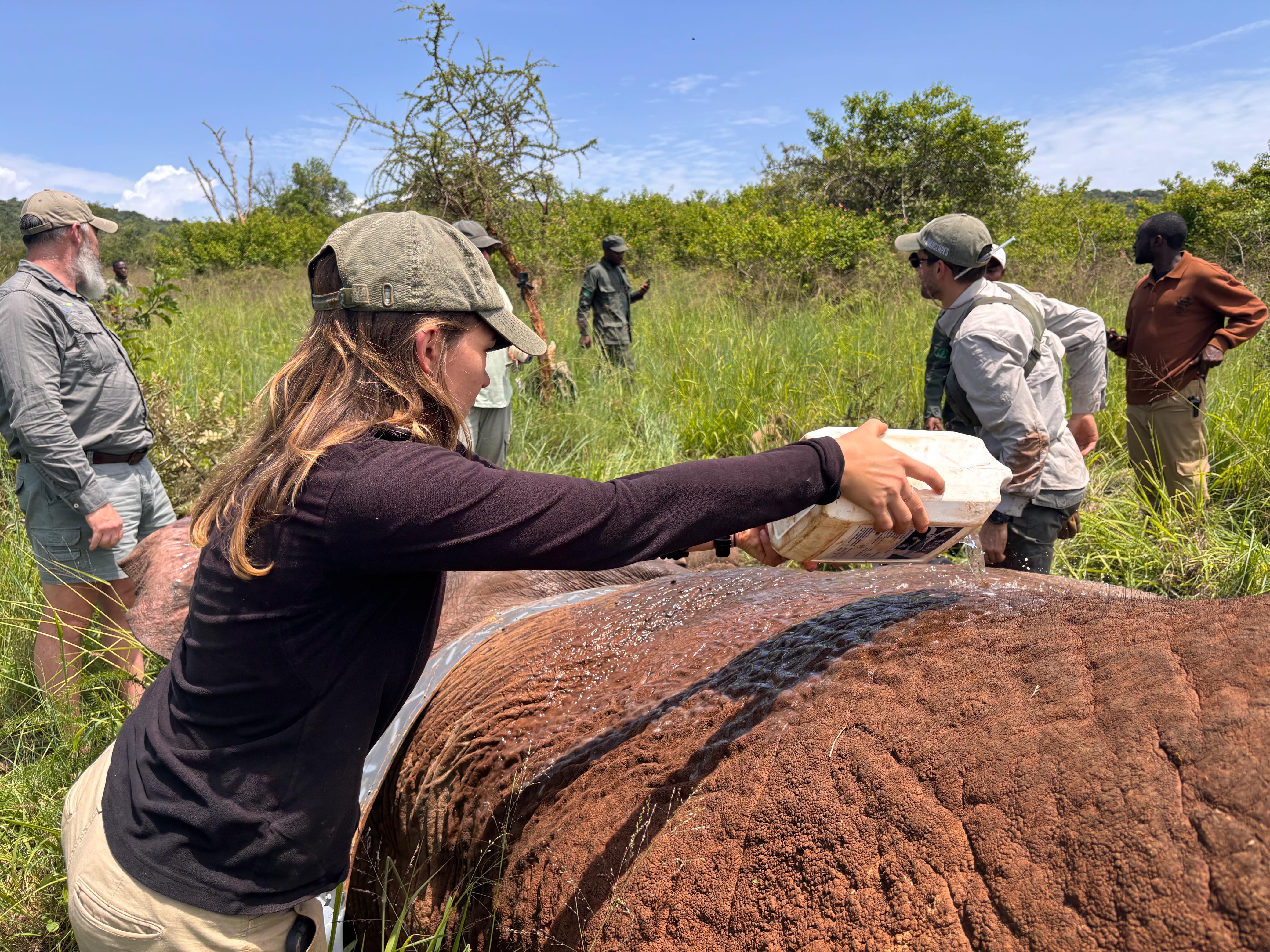
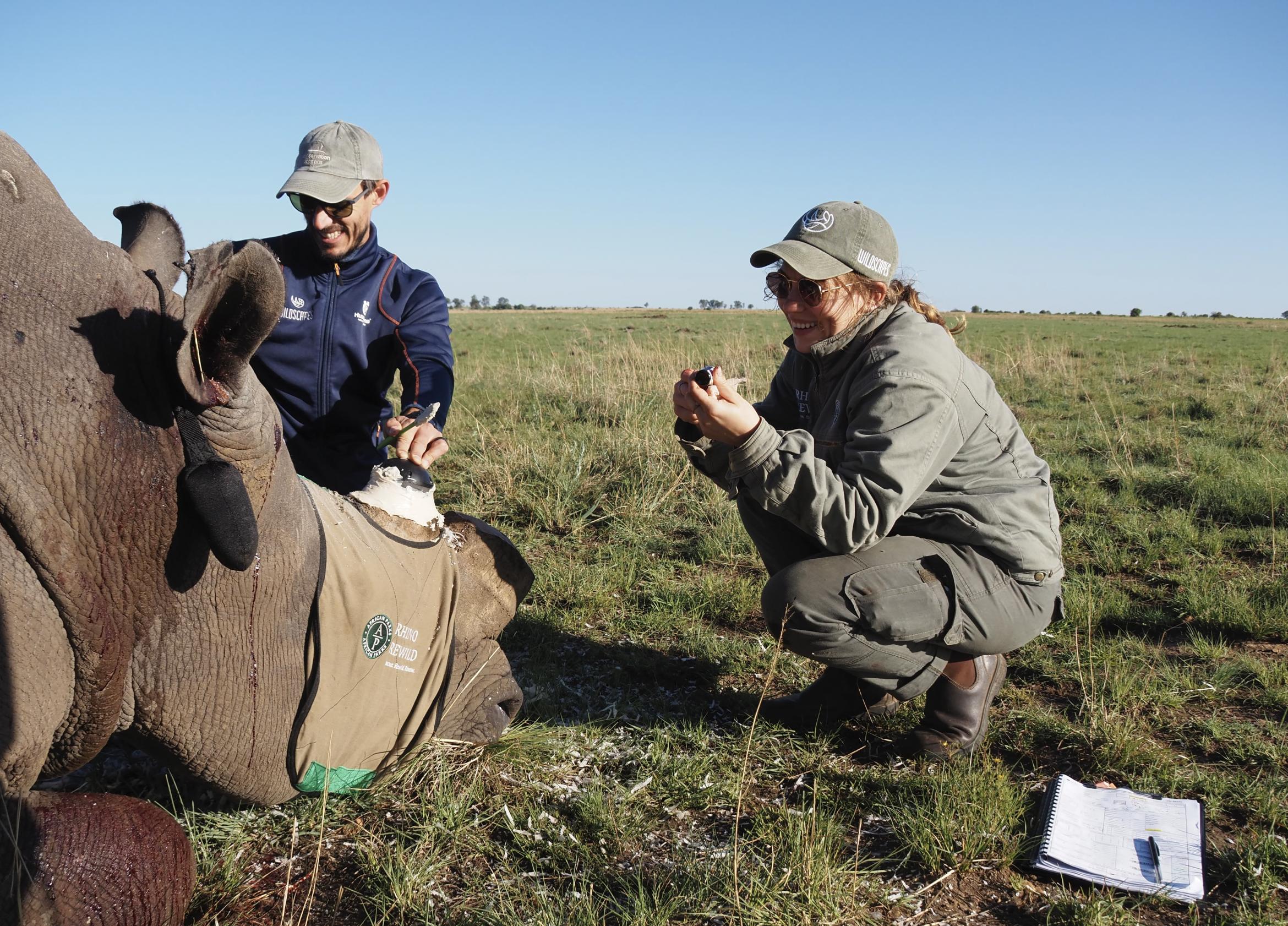
After graduating, Maxine began her professional journey with African Parks, a non-profit conservation organisation that manages protected areas in partnership with governments and local communities across Africa. She started as a data intern and gradually gained experience and trust, enabling her to grow within the organisation.
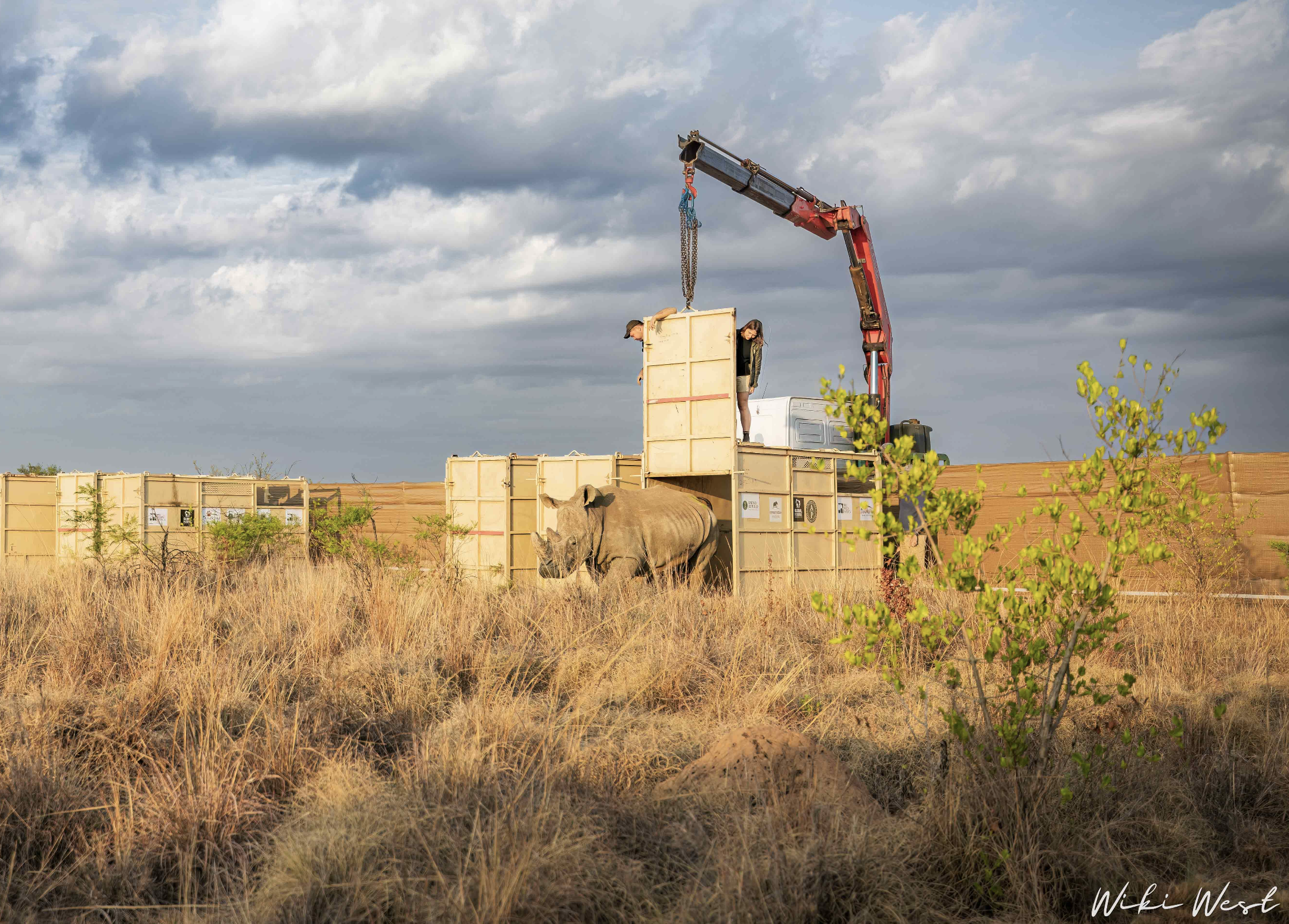
Over the course of her career, she has contributed to biodiversity conservation and wildlife reintroduction initiatives, including projects supporting the return of rhinos to the wild. Working with endangered African wildlife remains one of her greatest passions.
Looking ahead, she hopes to continue contributing to meaningful conservation projects while combining her work with photography.
Her advice to current and future FTZ students: “Take full advantage of networking and internship opportunities. It’s easy to do only what’s required, but going beyond the minimum — especially by engaging with additional recommended resources — will deepen your understanding and help you gain much more from the programme.”
Maxine Piron’s story demonstrates how internationally oriented, practice-based education can lead to a career with real global impact.