
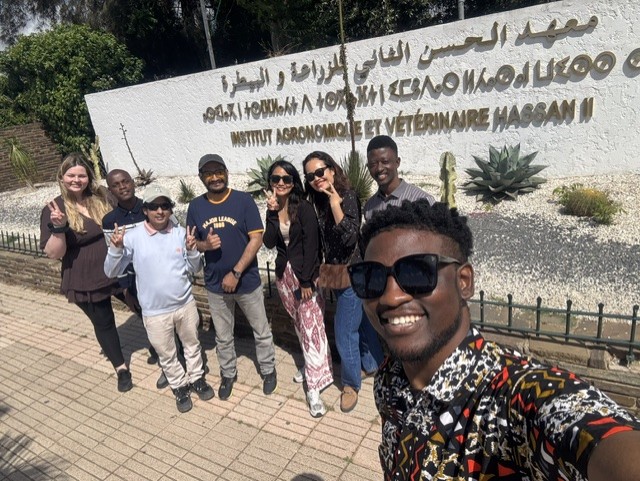
What does agriculture look like in dryland regions? How can water resources be managed more sustainably under climate change conditions? And what can students gain from experiencing research and everyday life in a completely different cultural environment?
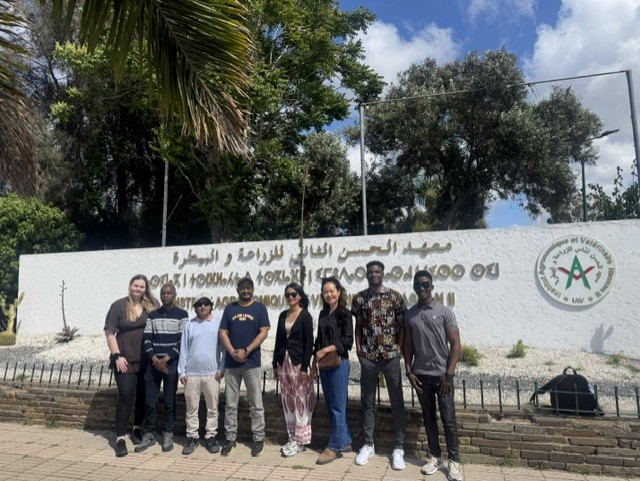
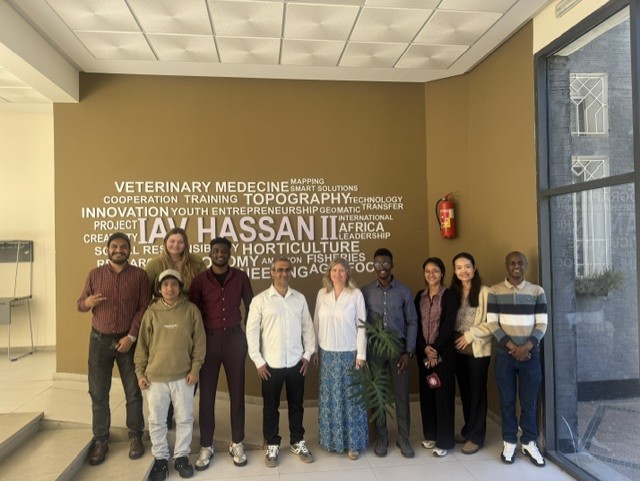
Students and academics from the Faculty of Tropical AgriSciences, Czech University of Life Sciences Prague, explored these questions during a week-long visit to Rabat, Morocco.
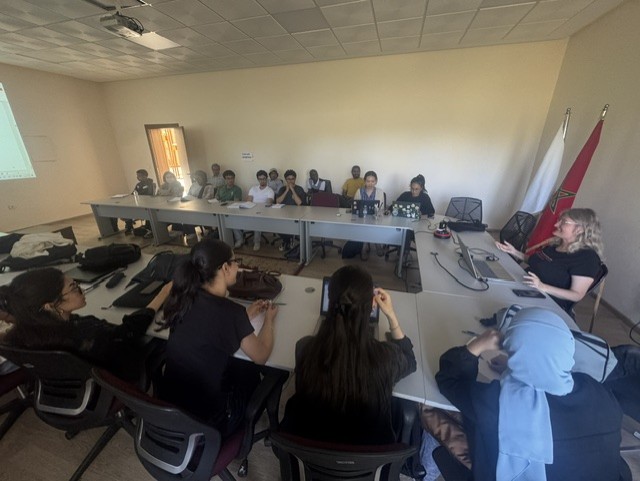
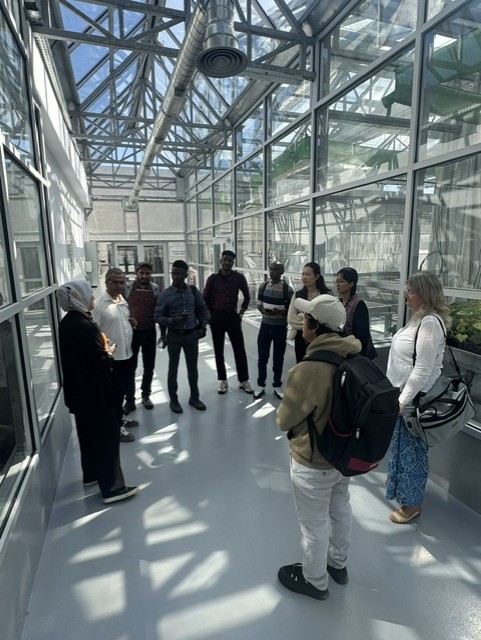
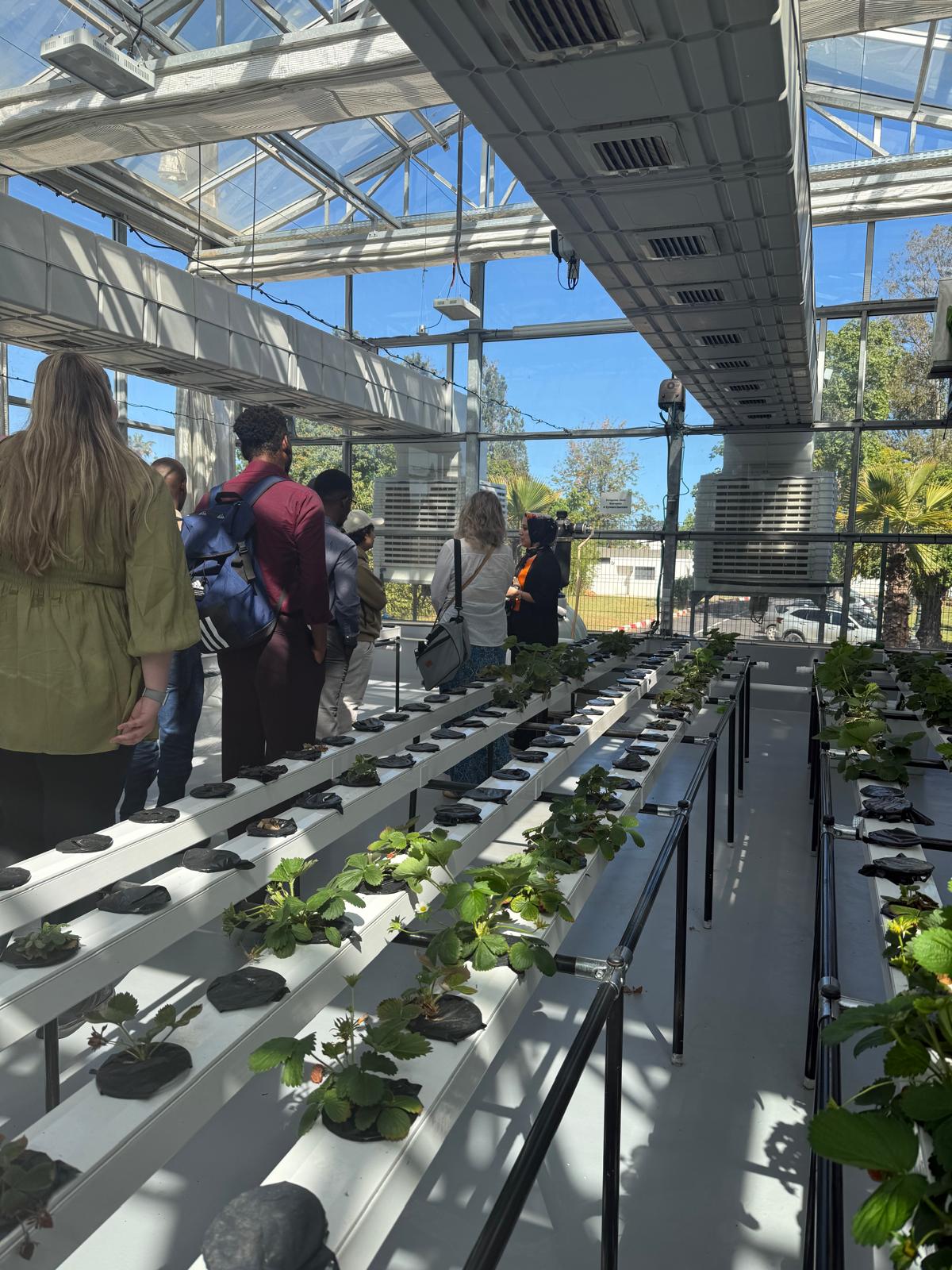
The programme at the partner institution Institut Agronomique et Vétérinaire Hassan II (IAV) focused on sustainable agriculture, innovation, behavioural economics, and smart farming systems with an emphasis on water management in dryland areas. Participants attended lectures and seminars, visited greenhouse facilities, and explored practical applications of climate-resilient agricultural technologies.
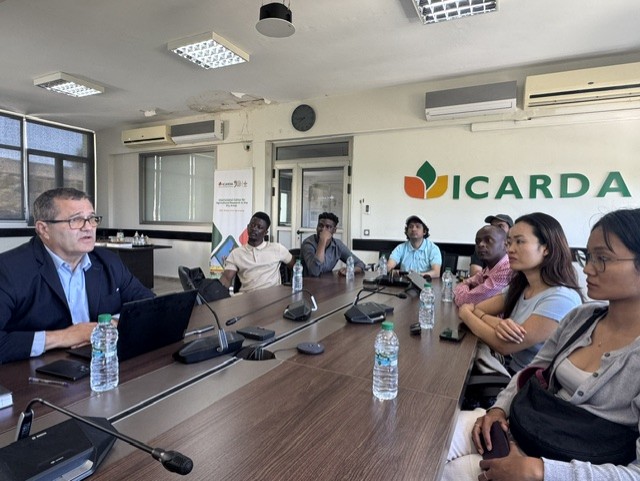
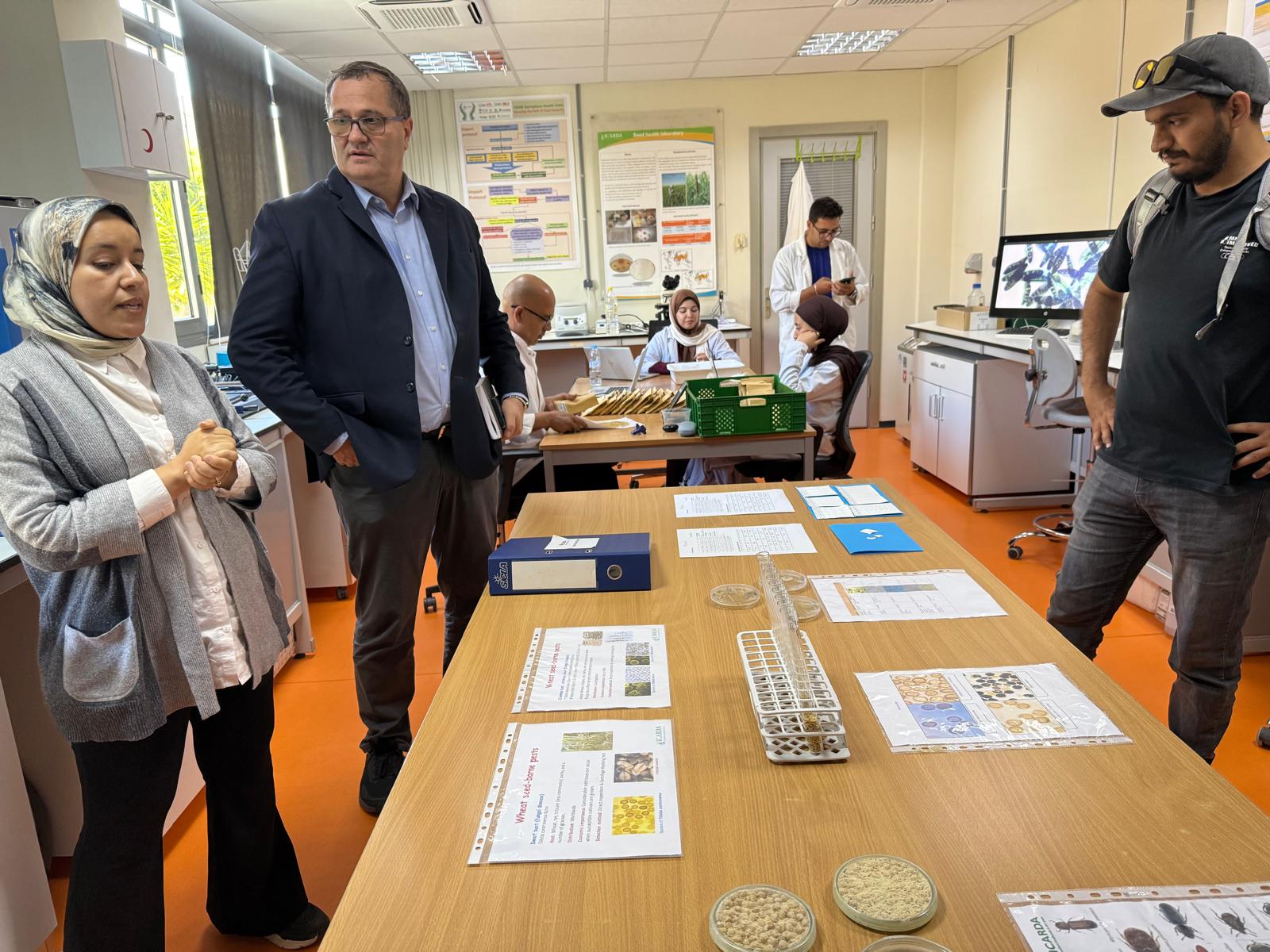
An important part of the programme was also a visit to ICARDA Morocco, where students gained insight into research focused on crop improvement, genebanks, food security, and agriculture adapted to water-scarce environments.
The traineeship created valuable opportunities for academic exchange between doctoral students from both institutions. Participants presented their research projects, discussed methodological approaches, and shared fieldwork experiences and research challenges.
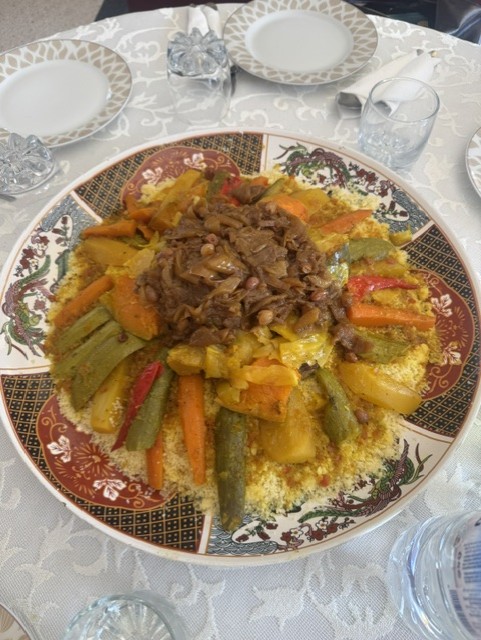
Beyond the academic programme, students had the opportunity to experience Moroccan culture, local traditions, and everyday life. The mobility offered not only professional development, but also personal growth, international networking, and intercultural experience.
The traineeship took place within the Erasmus+ KA171 programme and involved two academic staff members and eight PhD students from the Faculty of Tropical AgriSciences.