
Enhancement of the long-term sustainability of the collection and commercialisation of local medicinal and aromatic plants
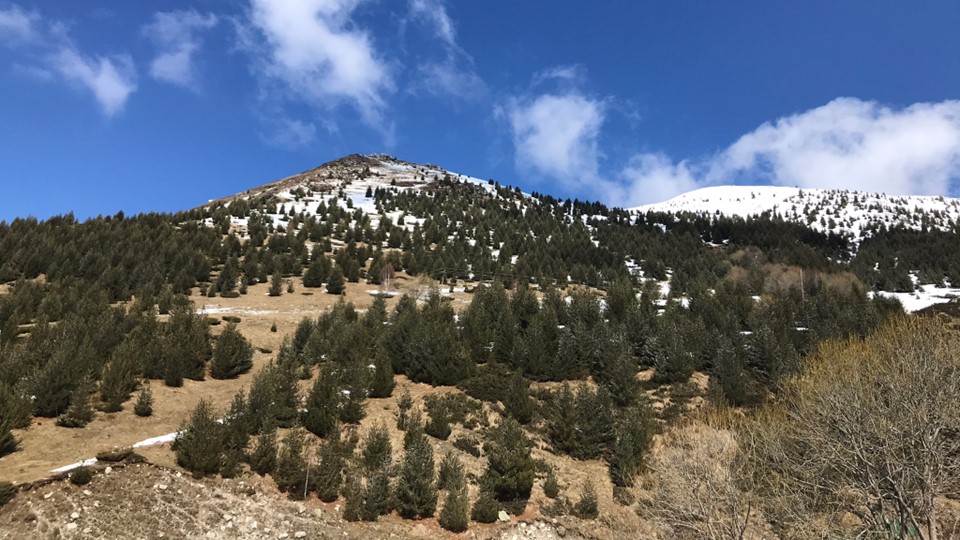
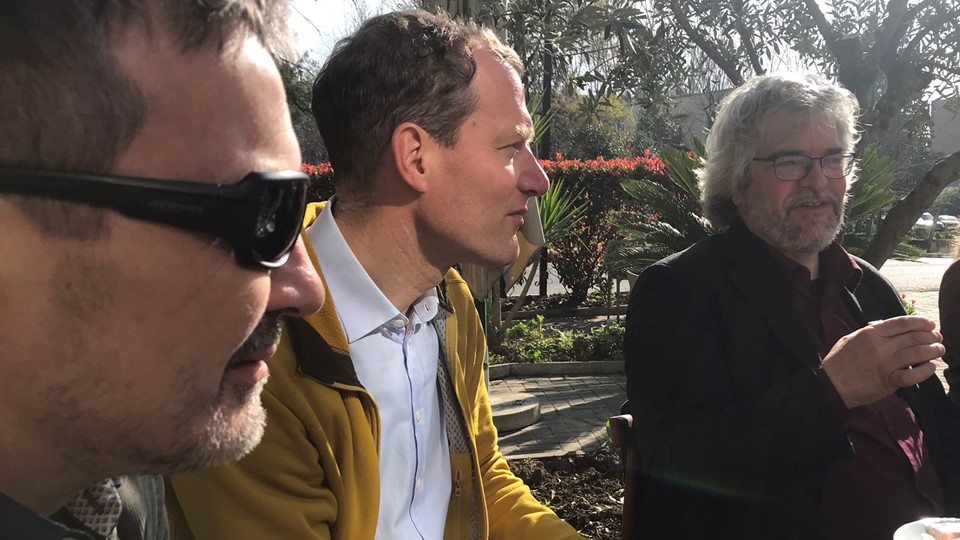
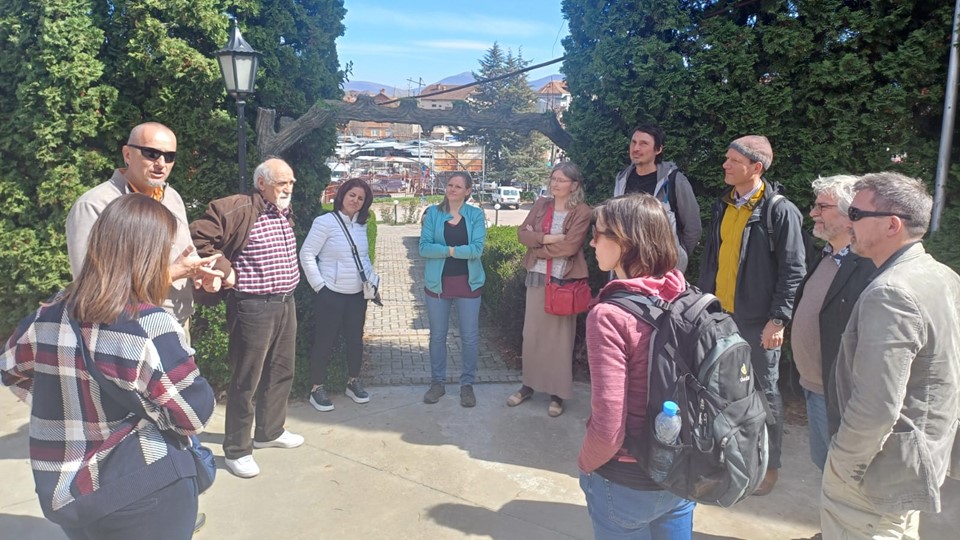
In March 2024, representatives of the Faculty of Tropical AgriSciences, in collaboration with colleagues from Rhine-Waal University (Germany) and the University of Gastronomic Sciences (Italy), embarked on an expedition to the countries of the Western Balkans: Albania, Kosovo and Northern Macedonia. The objective was to examine the current situation and prevailing challenges in the agricultural sector across the region, with a particular focus on the sustainable promotion of value chains for medicinal plants and forest products. An integral component of the expedition was a field survey of mountain protected areas. Additionally, the expedition aimed at gaining a deeper understanding of the key challenges facing local households, including food security, the implementation of organic farming, and building linkages with the competitive EU market. The research team gained valuable insights into the local issues through interviews with a diverse range of stakeholders, including private farmers, representatives from universities and research institutes, agribusiness and agrotourism entrepreneurs, cooperative representatives, and protected area management members.
Program Highlights: Unveiling Insights Across the Western Balkans
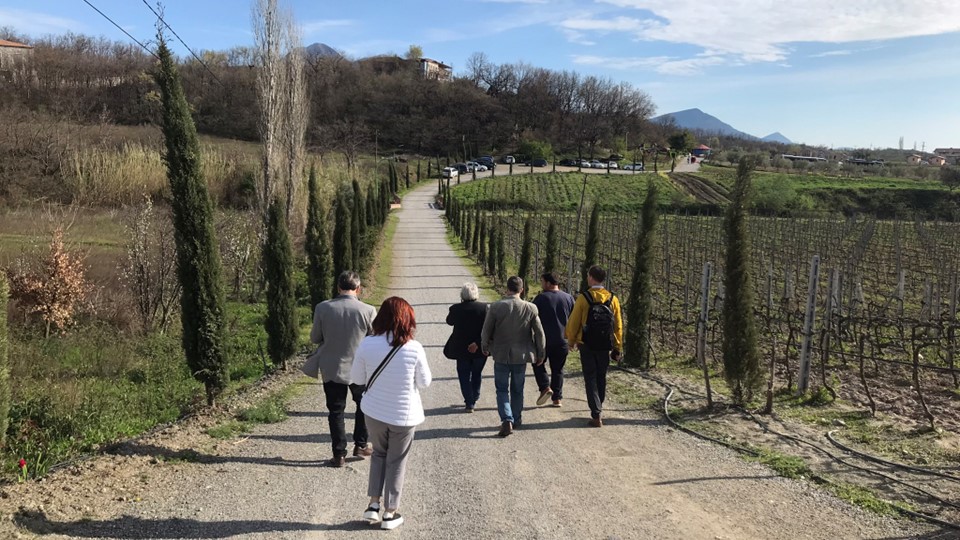
The expedition commenced in Tirana, where the participants engaged in a series of meetings with representatives of the Agricultural Business Association and the Association of Medicinal and Aromatic Plants. A noteworthy aspect of the programme was a lecture on "The potential of SMEs in non-timber forest products/agroforestry value chains", delivered by Prof. Dietrich Darr at the University of Agriculture in Tirana. Subsequently, the group proceeded to the historic town of Lezhë in Albania, where they had the opportunity to gain insights into the local approach to agrotourism and to engage with local farmers, producers and associations. The itinerary also included a visit to an important centre for medicinal and aromatic plants in the town of Shkodër, situated in a landscape rich in biodiversity. The group then proceeded to neighbouring Kosovo. On the way, the participants visited a collection point for forest fruits in Kukës and, on the Kosovo side, held talks with stakeholders in Dragash (Sharri), a region in the Shar Plain with a strong Serbian minority active in the collection of medicinal and aromatic plants. Here they had the opportunity to learn about the diverse range of plants grown in the region, while a meeting with representatives of the University of Prizren highlighted the key role of academia in promoting innovation and knowledge exchange. The expedition concluded its journey in Northern Macedonia, where participants engaged in discussions regarding contemporary rural development challenges and met with representatives of the Rural Development Network. Additionally, they visited local farms and wineries in the vicinity of Skopje. The trip ended with lectures and seminars led by Prof. Dietrich Darr in collaboration with Dr. Miroslava Bavorova for teachers and students at the local university.