
How can agricultural waste be turned into a valuable resource, soil quality improved and local food security strengthened? These are some of the questions addressed by the Faculty of Tropical AgriSciences at CZU Prague in cooperation with its Cambodian partners. The results of their joint activities demonstrate how scientific knowledge can translate into practical solutions that make a difference in people's everyday lives.
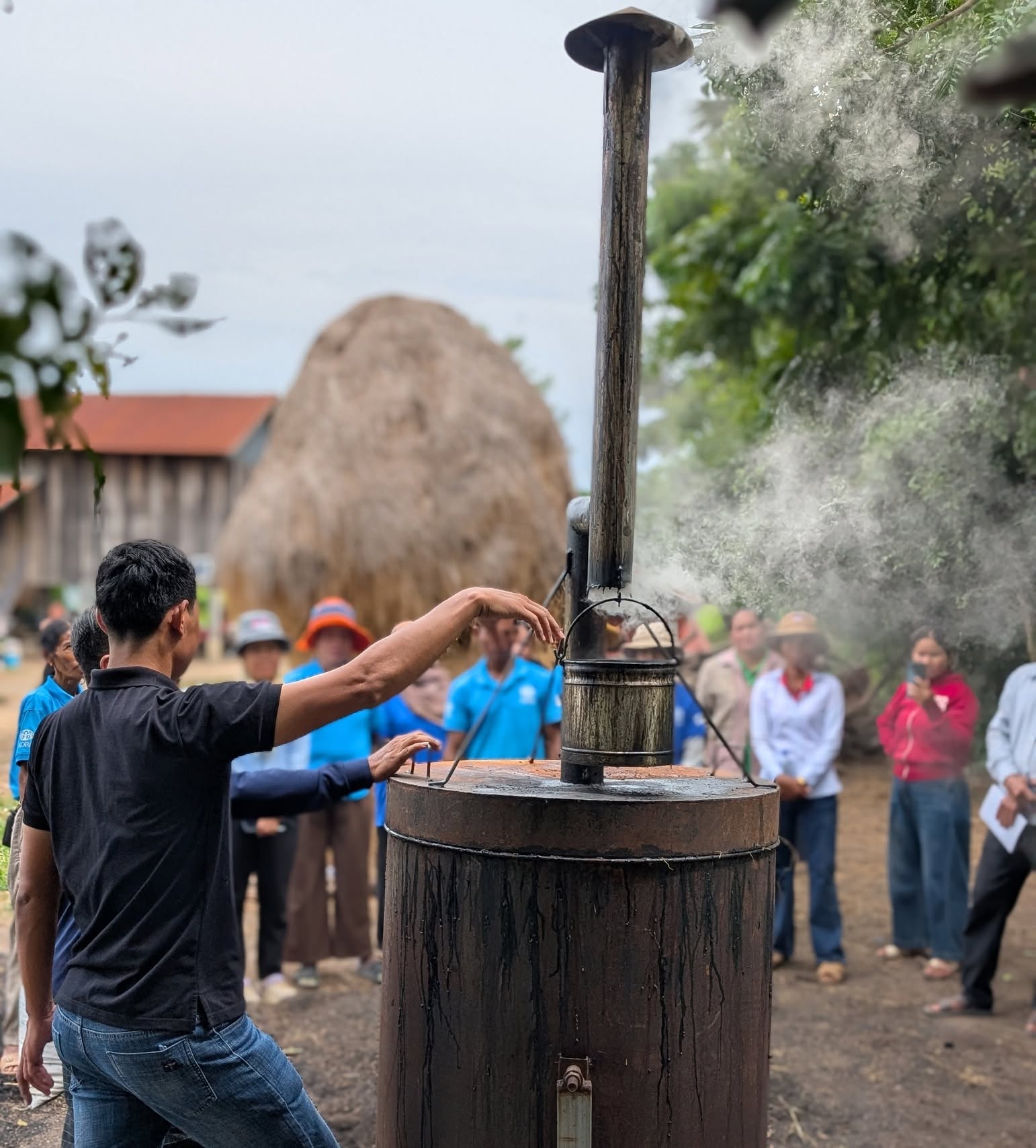
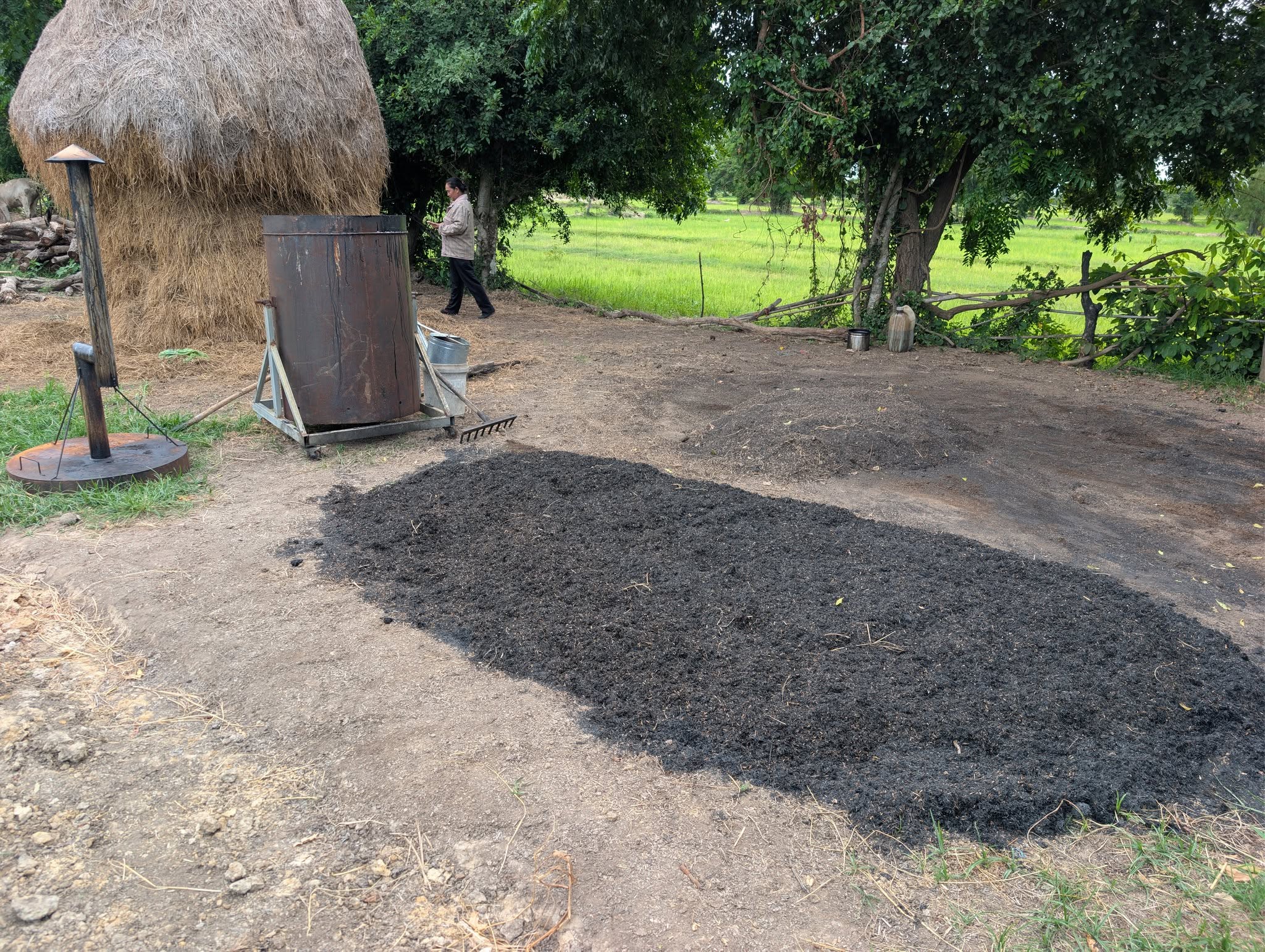
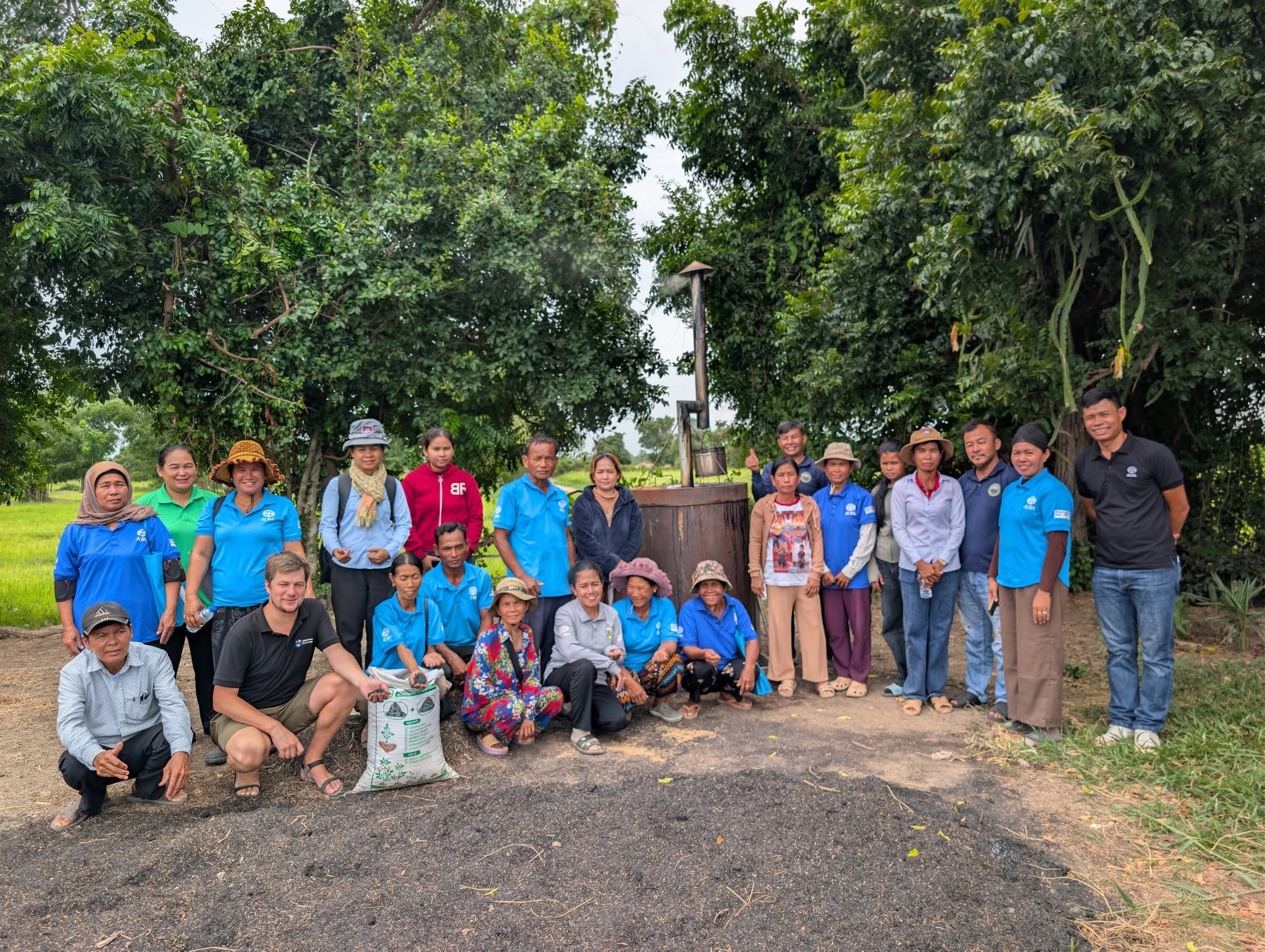
How can rice husks, corn cobs and coconut shells be used instead of being left unused or burned? One possible solution is to convert them into biochar – a carbon-rich material that can improve soil structure and its ability to retain water and nutrients. Combined with vermicompost, biochar offers an interesting approach to supporting more sustainable agricultural practices.
The use of these locally available resources is one of the key areas of cooperation between the Faculty of Tropical AgriSciences, Czech University of Life Sciences Prague (FTZ, CZU Prague), ADRA Cambodia and other partners in Cambodia.
Turning agricultural waste into a valuable resource
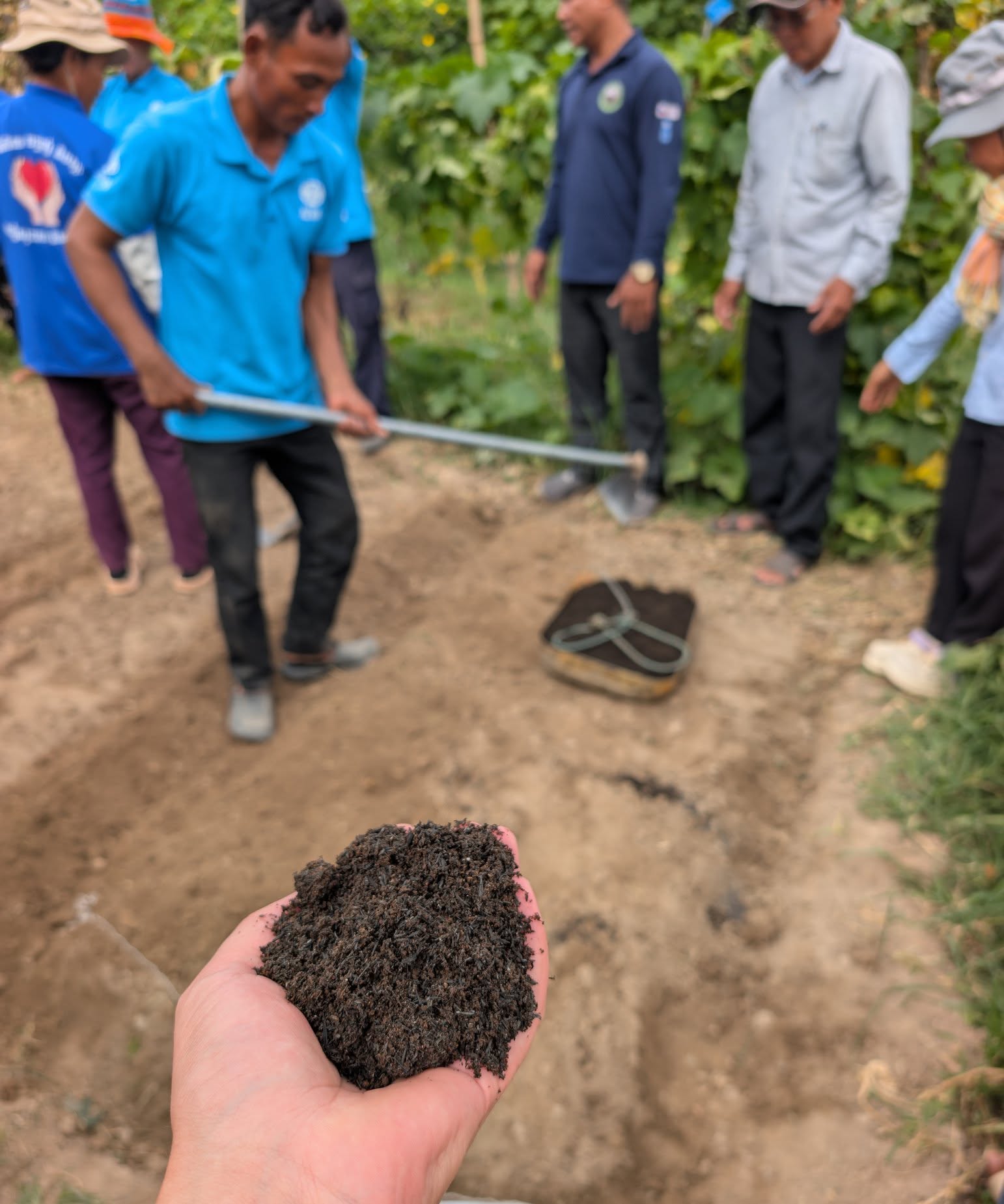
Tangible results have been achieved through the V-BIOCHAR project, implemented by ADRA Cambodia with the scientific expertise of the Czech University of Life Sciences Prague. The project aimed to promote the use of biochar and vermicompost to restore soil fertility, improve water retention and reduce dependence on imported chemical fertilisers.
In Cambodia's Kandieng and Phnom Kravanh districts, ten demonstration sites for biochar production were established, producing a total of 6.4 tonnes of biochar. A total of 205 farmers and three secondary schools participated in biochar production and the practical application of vermi-biochar mixtures.
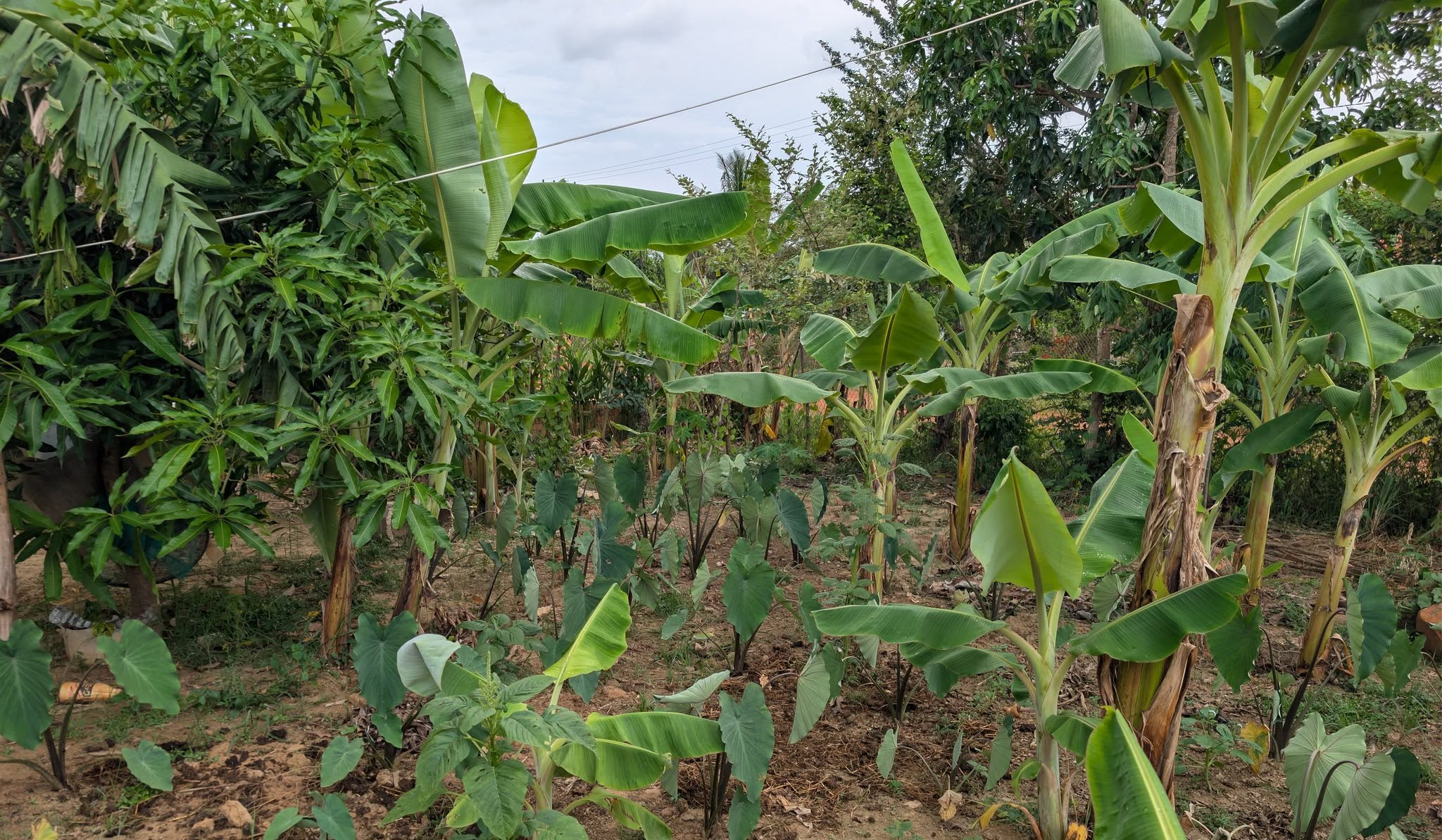
Trials involving eight vegetable producers also delivered encouraging results. The use of vermicompost and biochar reduced chemical fertiliser costs by 74%, increased yields by 24% and raised farmers' incomes by 35%. The project also supported local entrepreneurship, demonstrating that agricultural residues can represent not only waste but also an economic opportunity.
Scientific knowledge put into practice
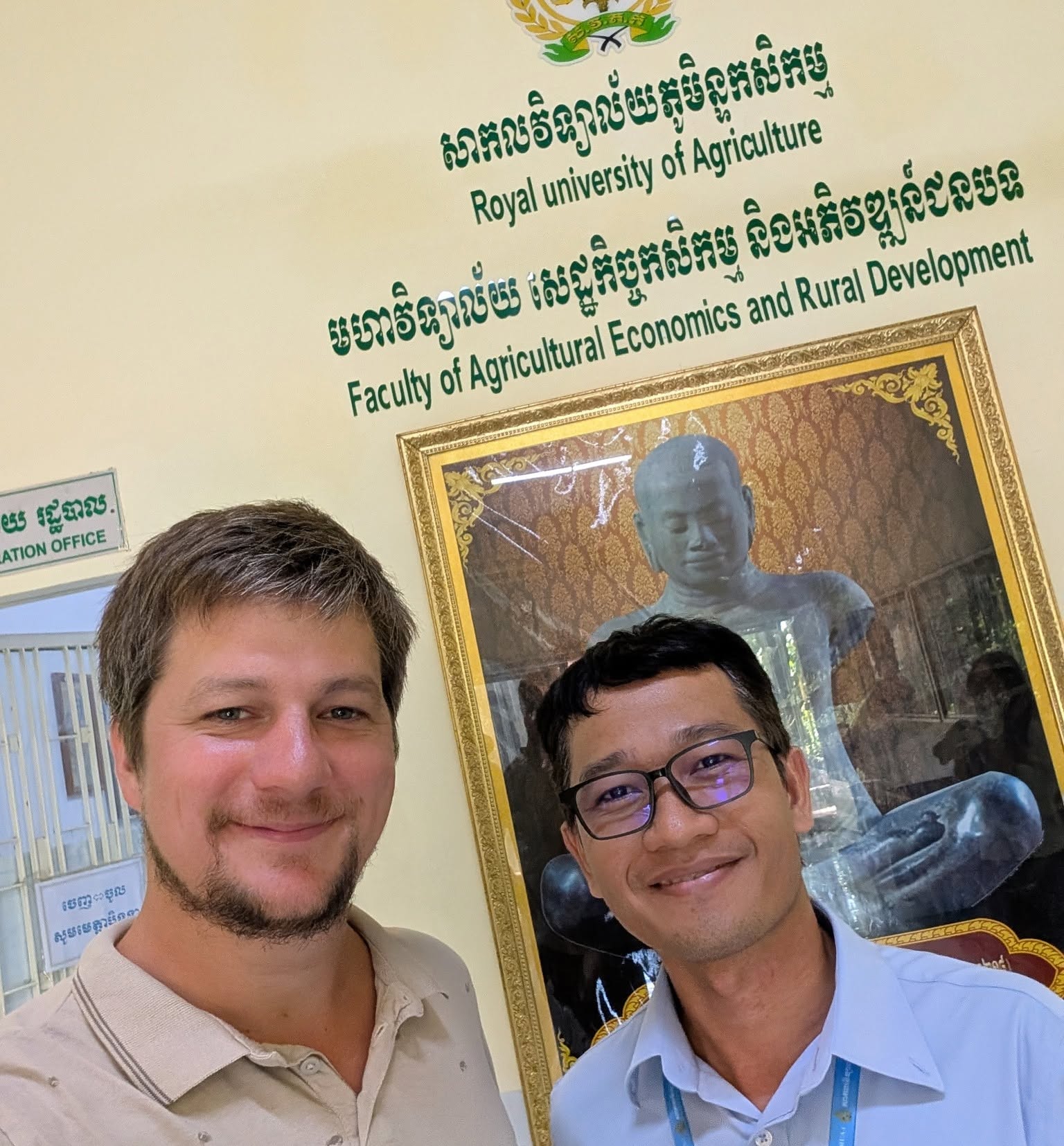
Building on this cooperation, Jan Staš from FTZ visited Cambodia from 17 August to 1 September 2026. The mission aimed to strengthen the professional capacities of local partners, develop cooperation with ADRA Cambodia and explore further opportunities for joint research and education.
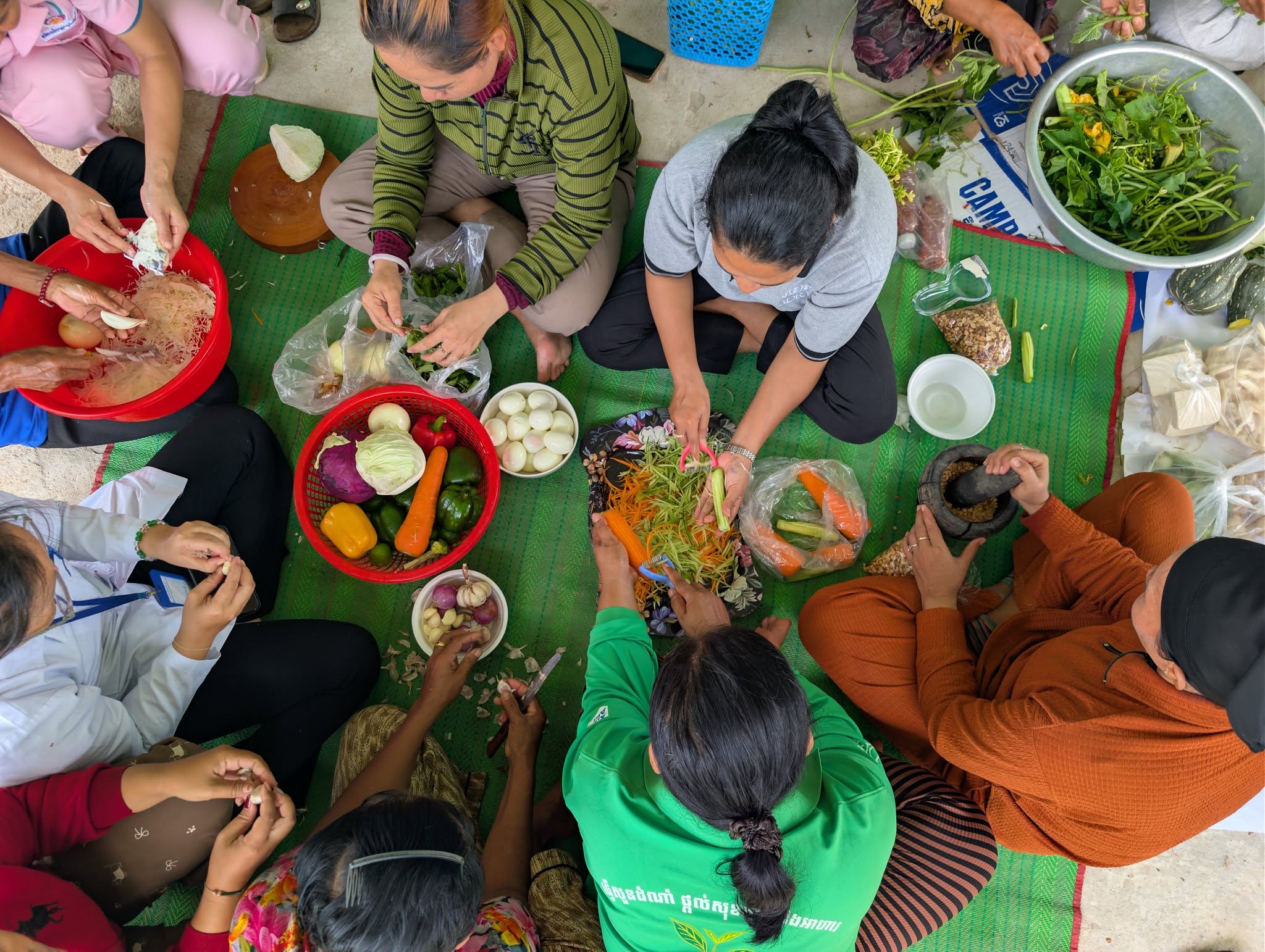
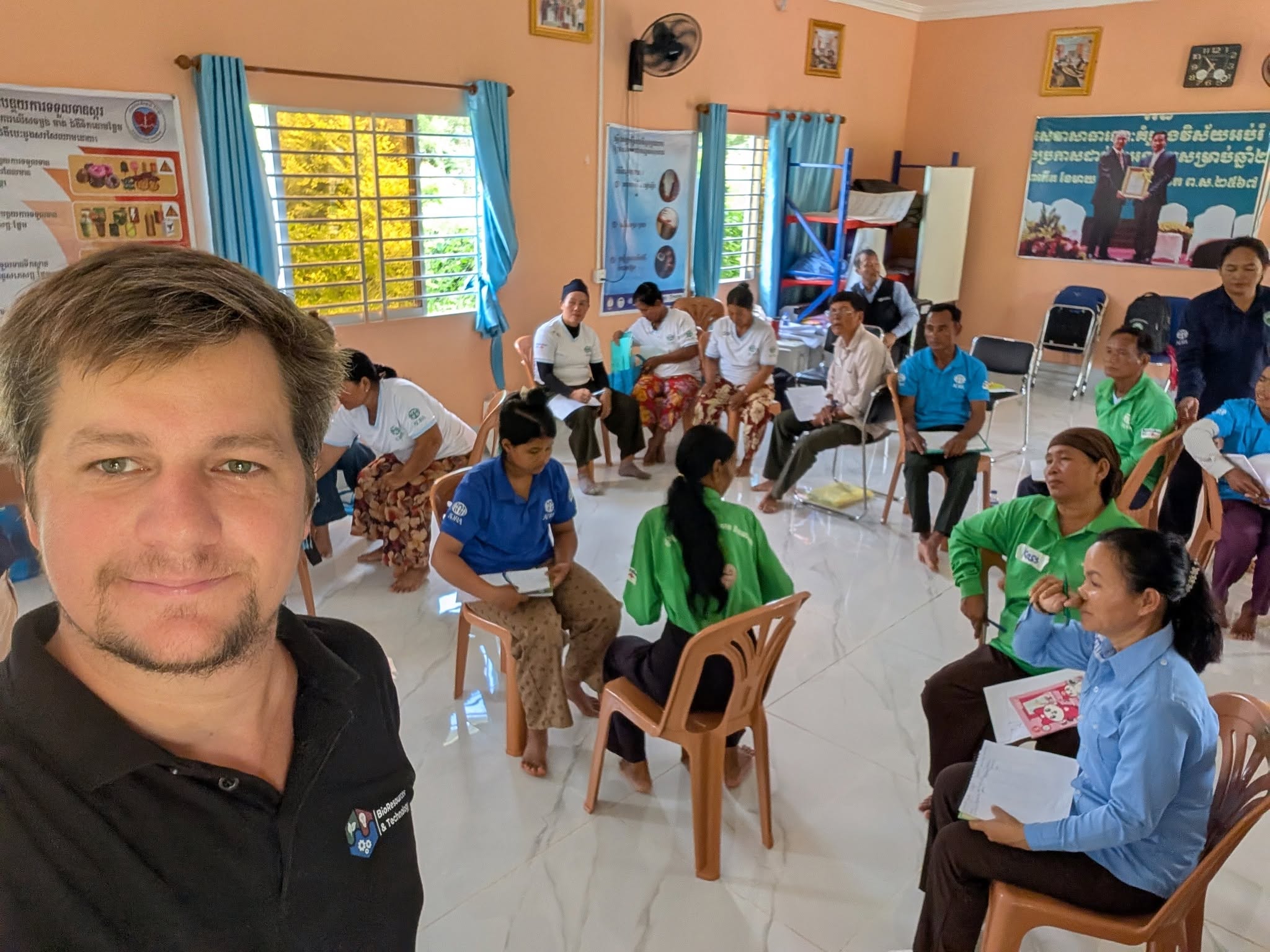
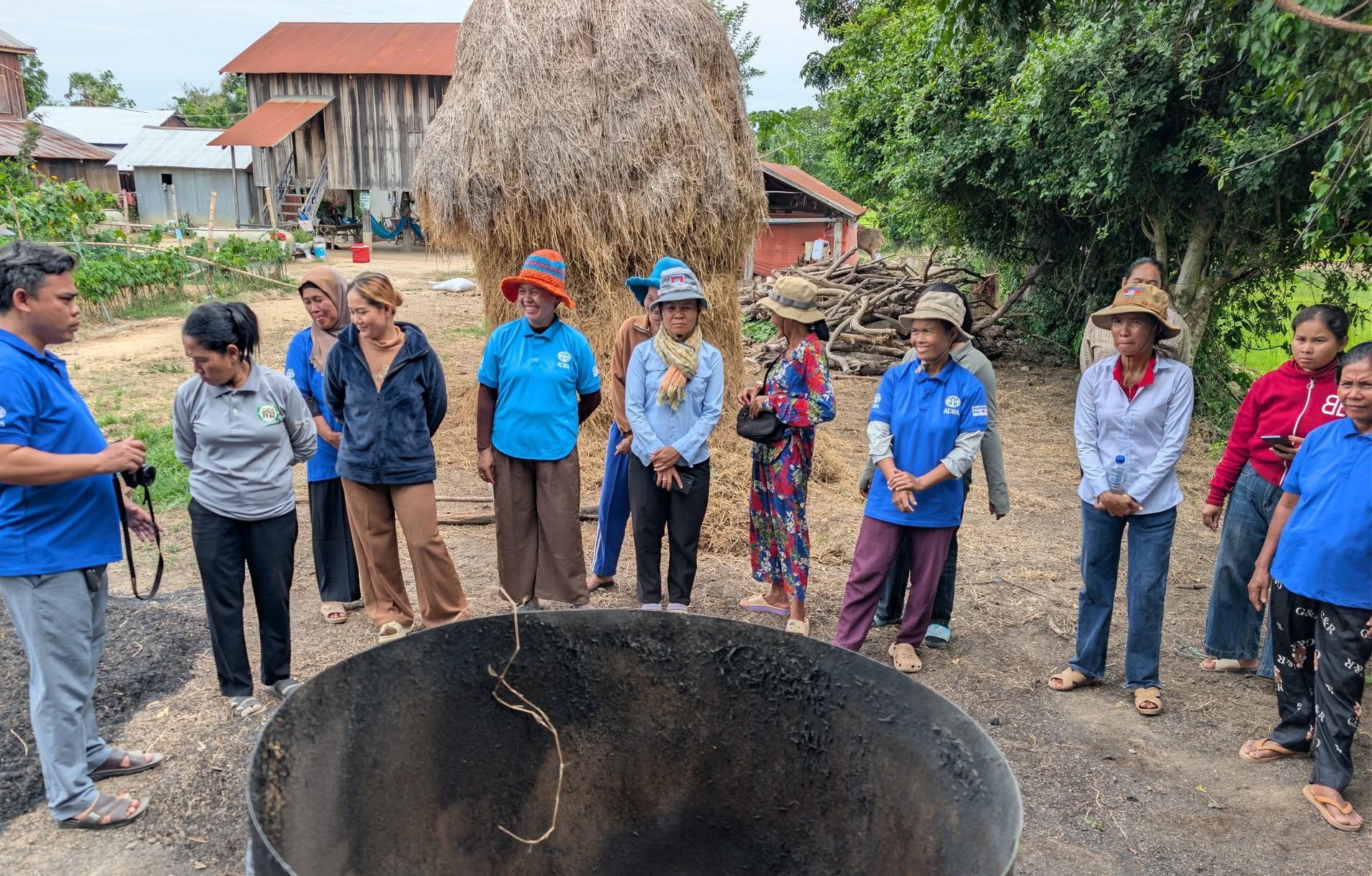
One of the main activities was a four-day training programme held in Pursat Province from 18 to 21 August in cooperation with ADRA Cambodia. It focused on climate-smart agriculture, home gardening, nutrition and food processing.
Participants explored ways to improve soil quality using locally produced biochar and vermicompost, diversify diets and process food while preserving its nutritional value. Practical demonstrations and discussions focused on how the methods could be applied in households and local communities. The programme also addressed the importance of follow-up technical support from ADRA as participants begin applying the new methods in practice.
“The methods we share need to be affordable and practical under local conditions. Using locally available resources to improve soil and grow and process food gives people more options for supporting their families,” says Jan Staš from the Faculty of Tropical AgriSciences.
New training opportunities for Cambodian professionals
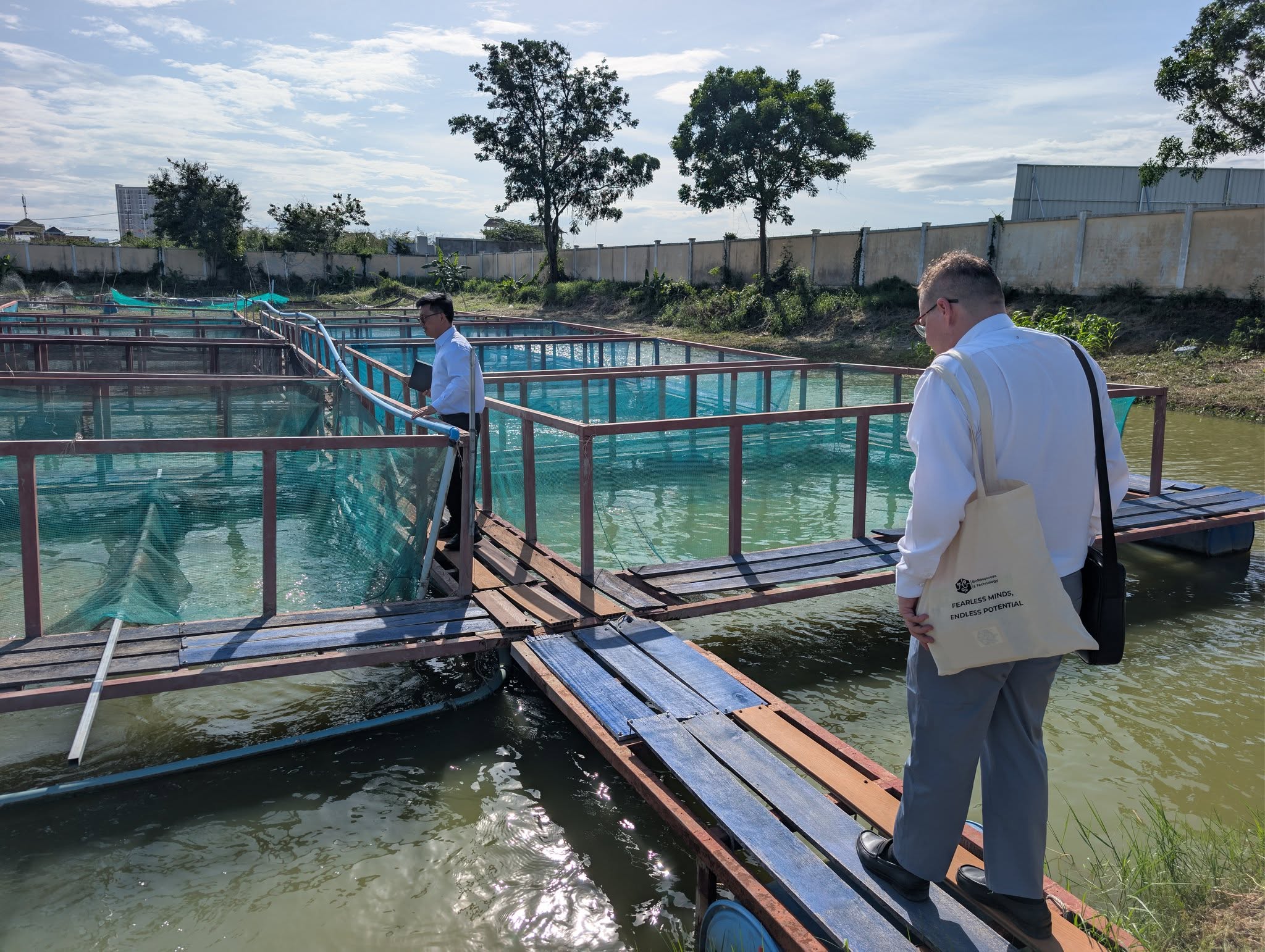
The mission also included consultations in Phnom Penh on a planned professional training programme under the ASPIRE-AT initiative.
The proposed programme would offer Cambodian professionals working in agriculture, sanitary and phytosanitary services, and laboratory practice the opportunity to receive specialised training at the Czech University of Life Sciences Prague. Approximately 50 participants are envisaged at this stage.
The discussions involved programme representatives and institutional partners, including representatives of the Delegation of the European Union and the Embassy of the Czech Republic in Cambodia. Topics included the needs of different professional groups, selection criteria, English-language requirements, training arrangements and opportunities to apply the knowledge gained after participants return to Cambodia.
Cooperation opening up new opportunities
Further discussions with ADRA and Cambodian partners explored opportunities to expand the use of biochar and other climate-smart agricultural practices. Topics included a possible wider initiative in Cambodia and the Pacific region, cooperation with the private sector on biochar production and the potential for doctoral research on biochar produced from rice residues.
The discussions also covered a possible scholarship scheme for Cambodian students at CZU Prague and future project opportunities focused on agricultural value chains. These ideas are currently at the exploratory consultation stage.
The mission contributed to strengthening cooperation between FTZ, ADRA Cambodia, ADRA Australia and ADRA New Zealand, while opening up further discussions with Cambodian, European and private-sector partners.
Jan Staš is planning to return to Cambodia in November 2026 for a follow-up visit to build on the activities already undertaken and continue discussions with local partners.
The cooperation in Cambodia demonstrates how international academic partnerships can connect research, education and the everyday needs of local communities. It also highlights the importance of practical, science-based solutions in addressing global challenges such as climate change, sustainable natural resource management and food security.