
When Napoleon invaded Egypt at the end of the 18th century, French military physicians noticed an unusual phenomenon. Many local men—and later some French soldiers—had blood in their urine. Egypt soon became known among European physicians as "the land of menstruating men." More than fifty years later, German physician Theodor Bilharz discovered the cause: tiny parasitic blood flukes of the genus Schistosoma, which cause schistosomiasis, also known as bilharzia.
Although the disease was identified more than 170 years ago, schistosomiasis remains one of the world's most important neglected tropical diseases. According to the World Health Organization, more than 250 million people require preventive treatment, with the highest burden occurring in sub-Saharan Africa.
A Parasite That Penetrates the Skin
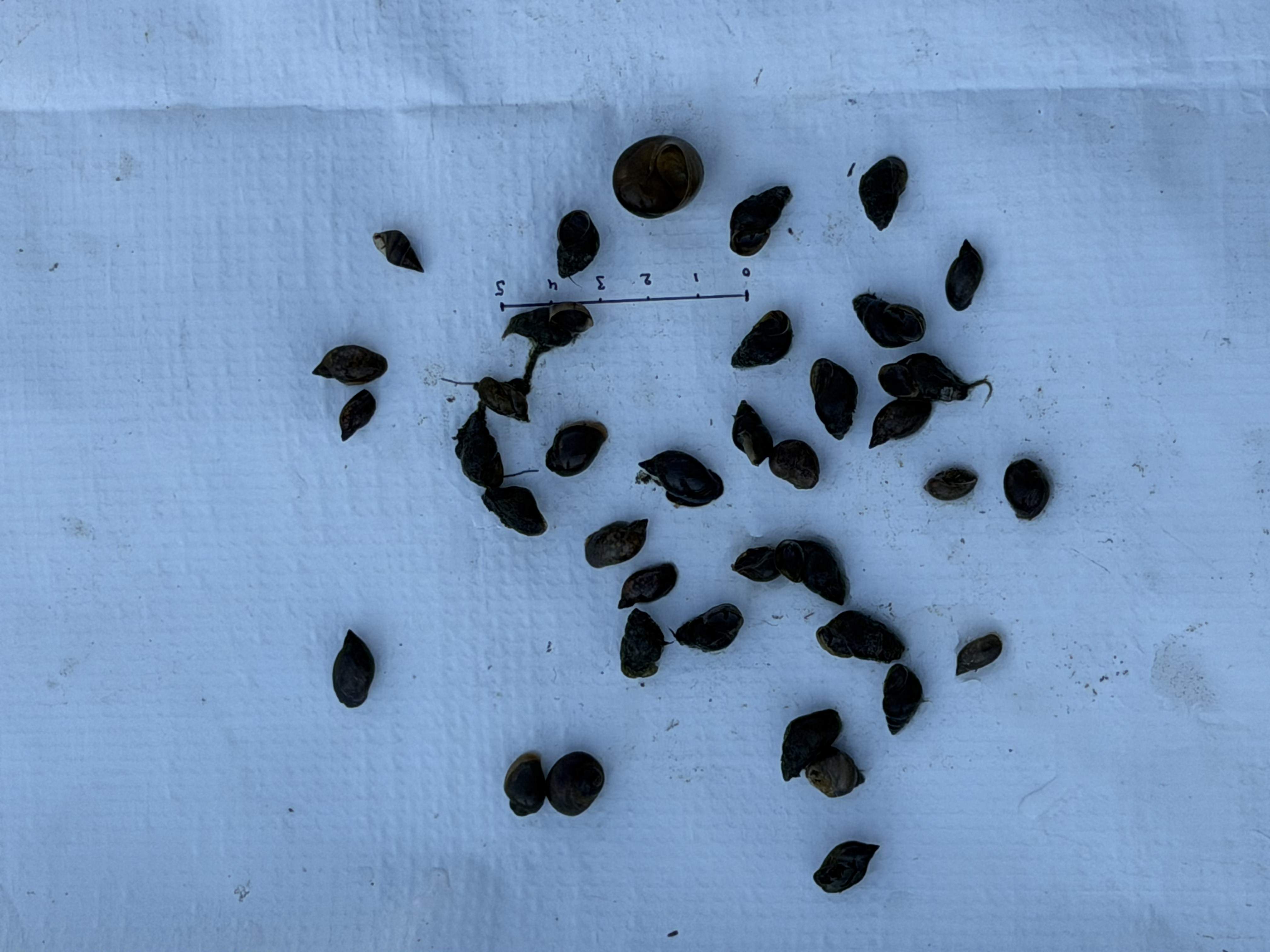
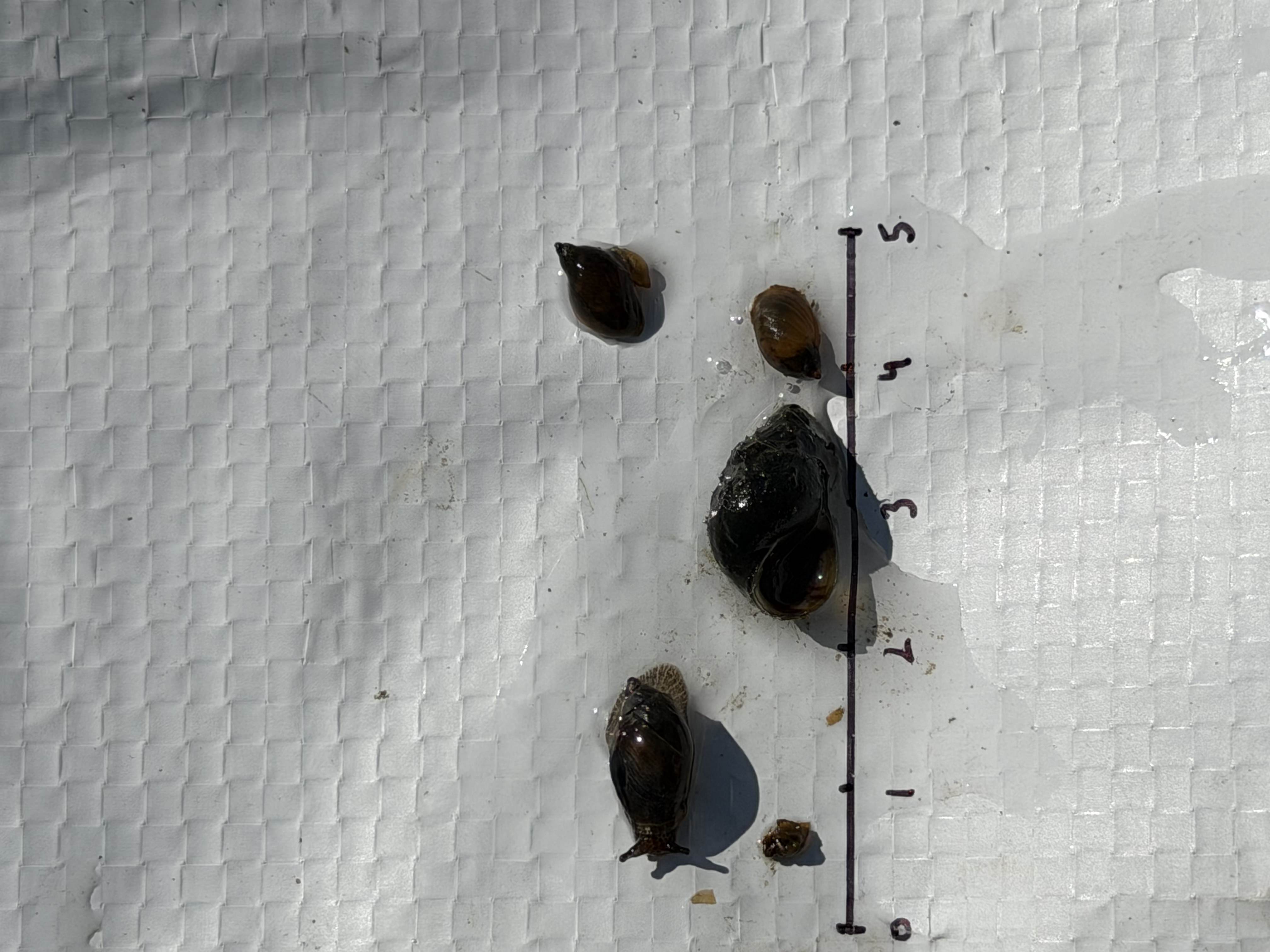
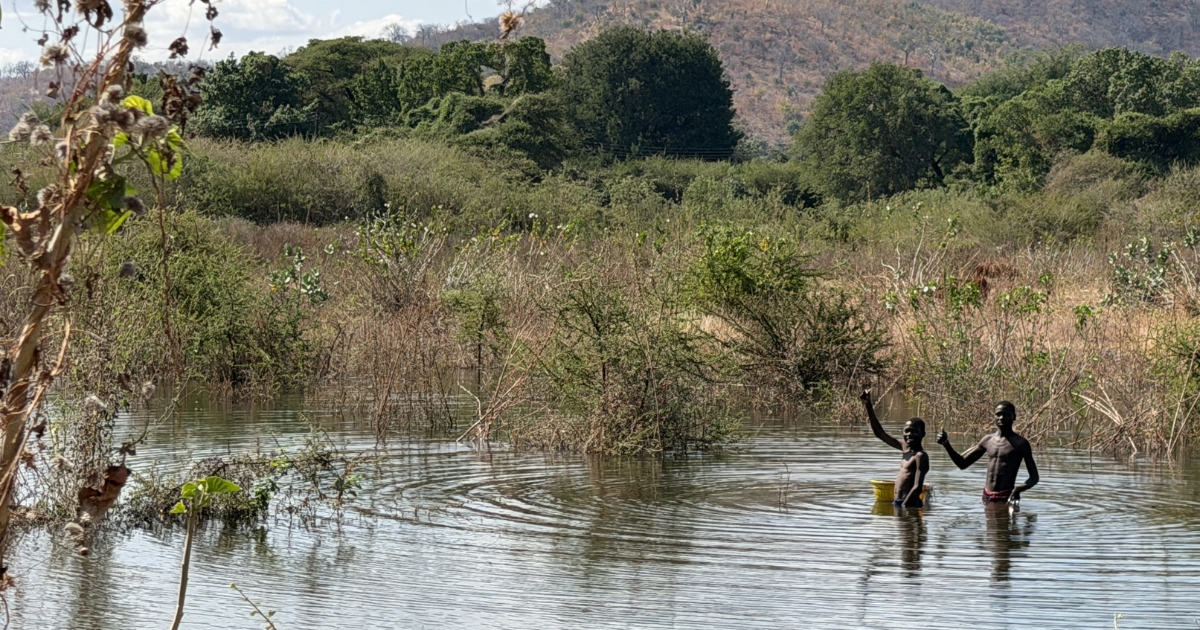
Unlike many infectious diseases, schistosomiasis does not require contaminated food or insect bites. The parasites use freshwater snails as intermediate hosts. The snails release microscopic larvae, known as cercariae, which actively penetrate intact human skin. Simply swimming, wading, or washing in contaminated freshwater may be enough to become infected.
The disease can cause blood in the urine or stool, chronic damage to the bladder, liver and intestines, infertility, and, in long-term infections, increases the risk of certain cancers. Although schistosomiasis can be effectively treated with praziquantel, it remains a major public health challenge in many tropical regions.
Research in Zambia
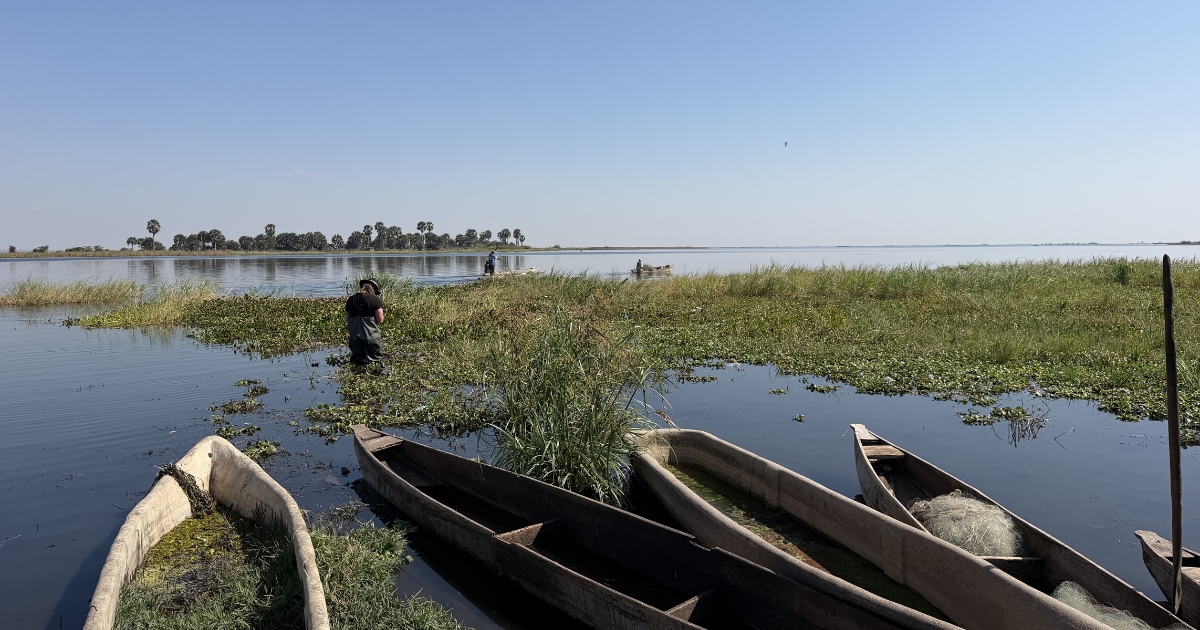
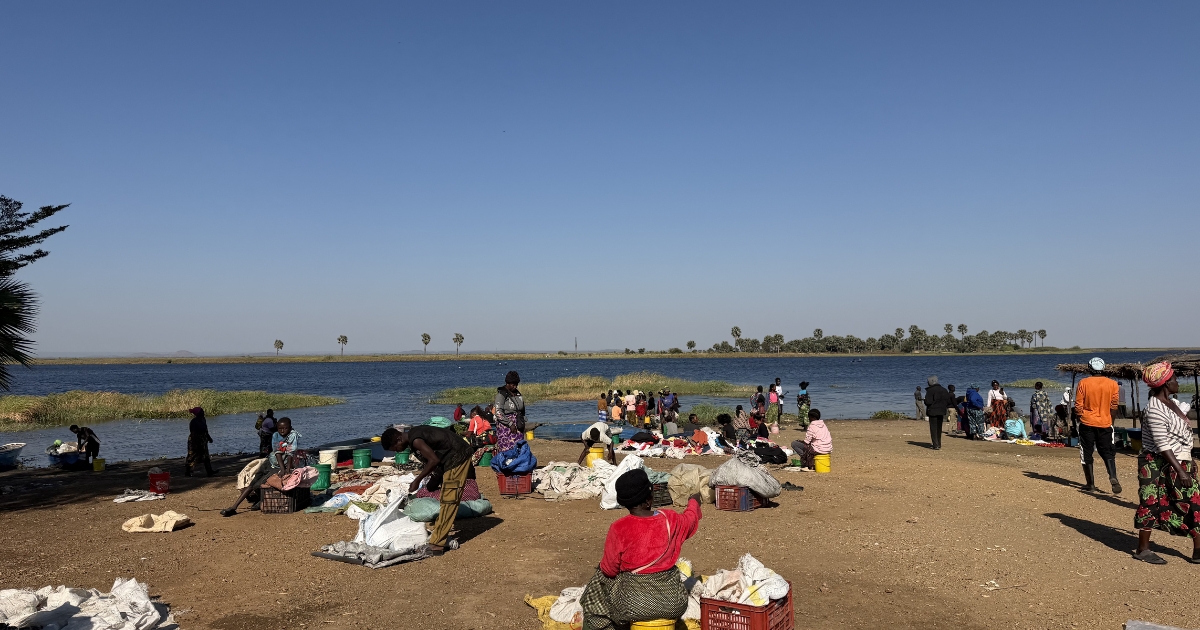
During the Czech University of Life Sciences Prague expedition to Zambia, Assoc. Prof. Jiří Černý and Dr. Jignesh Italiya collected samples for schistosomiasis research alongside their fieldwork on ticks.
The project is carried out in collaboration with Dr. Zikmund Bartoníček from the Institute of Parasitology of the Czech Academy of Sciences and the Faculty of Environmental Sciences at CZU, and Prof. Chummy Sikasunge from the University of Zambia.
The researchers aim to identify freshwater bodies with the highest transmission risk, estimate contamination levels, and evaluate rapid methods for detecting schistosomes in the field. The findings will contribute to improved disease surveillance and support more effective prevention strategies in Zambia.
What If You Suspect an Infection?
Travellers who have had contact with freshwater in endemic regions and suspect infection should not panic. Early symptoms often resemble the flu or an allergic reaction, while some infections remain symptom-free for weeks or months. Anyone with suspected exposure should consult a travel or tropical medicine specialist after returning home. If confirmed, schistosomiasis can be treated effectively with praziquantel.
This research is another example of how scientists from the Faculty of Tropical AgriSciences combine international collaboration, field research and modern diagnostic approaches to better understand neglected tropical diseases and contribute to protecting the health of communities worldwide.