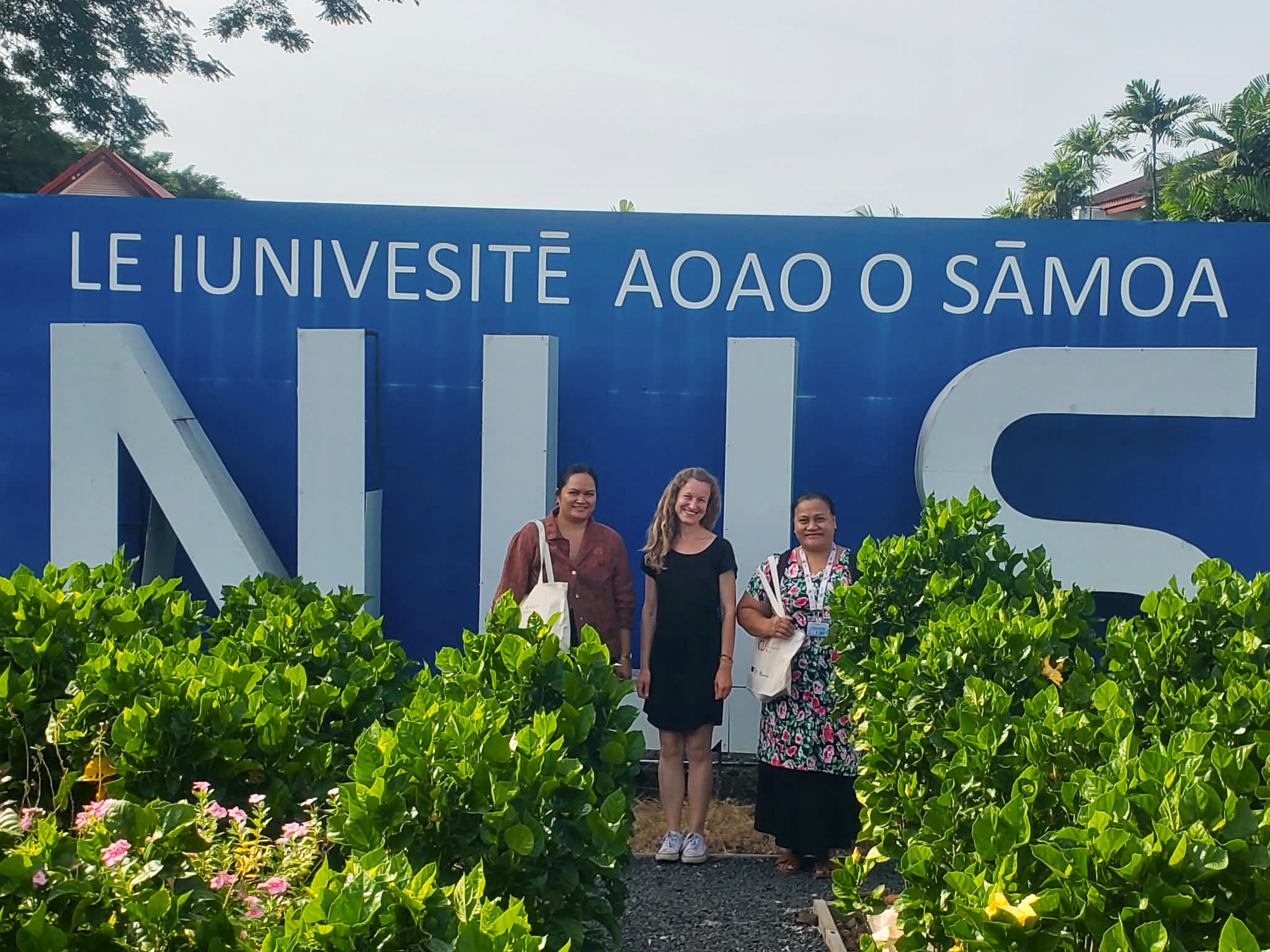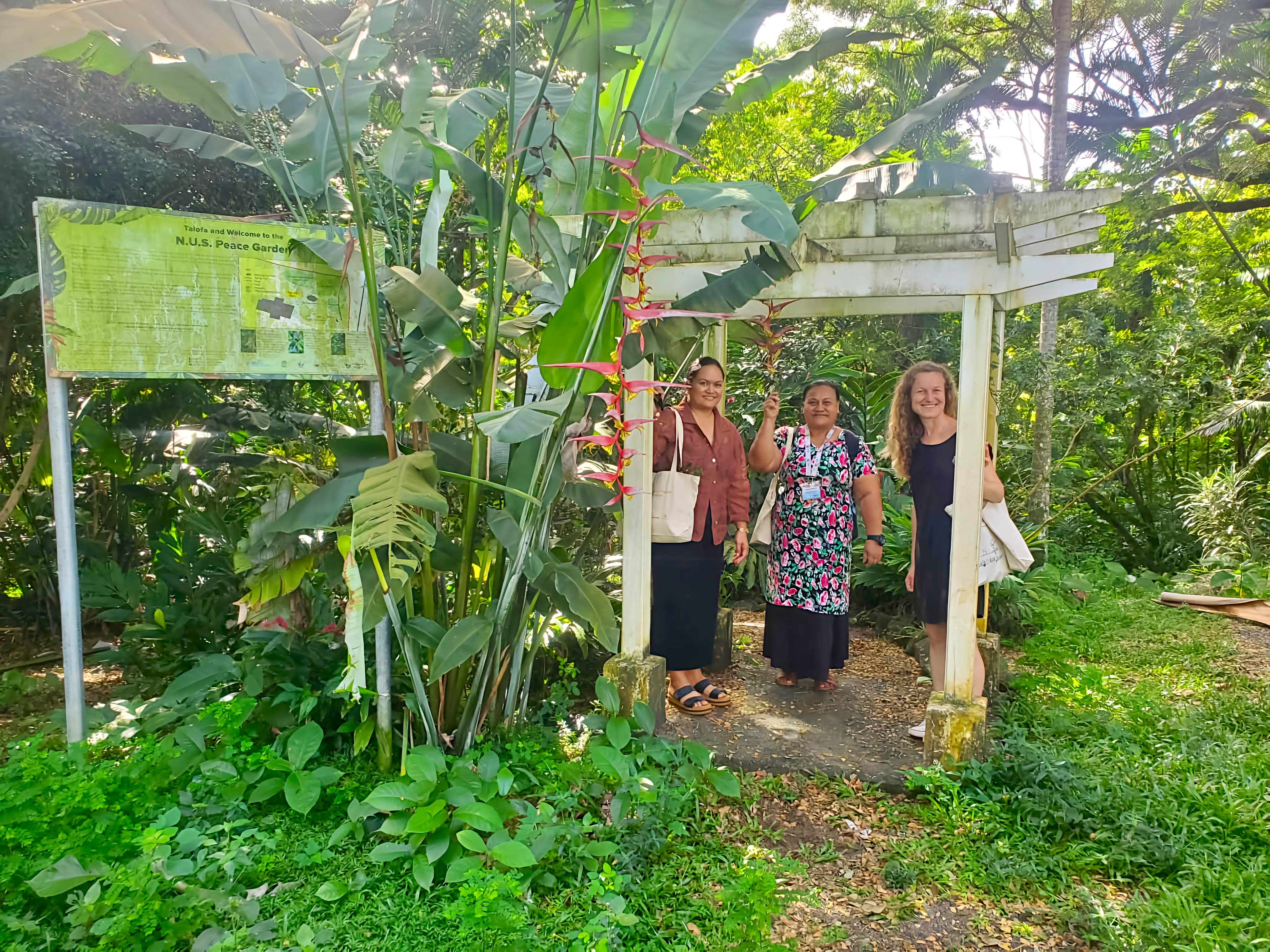

What potential lies in tropical plants traditionally used in local medicine and nutrition? This was one of the questions explored by Dr. Marketa Houdkova from the Laboratory of Ethnobotany and Ethnopharmacology (LEE) at the Faculty of Tropical AgriSciences, Czech University of Life Sciences Prague, during a research visit to the Pacific island nation of Samoa. The mobility was carried out within the Erasmus+ KA171 programme, with the main aim of strengthening cooperation with local scientific institutions and exploring new opportunities for joint research.
During her visit to the National University of Samoa (NUS), Marketa Houdkova met with staff members of the Faculty of Science. Discussions focused on developing joint research activities, exchanging expertise, and identifying new opportunities for cooperation in tropical crop research. The programme also included a visit to the Scientific Research Organisation of Samoa (SROS), where she met local researchers to discuss the medicinal properties of plants, healthy nutrition, and food security.
From Traditional Plant Uses to Scientific Research
The visit built upon previous research cooperation between FTZ and Samoan institutions. One of its key topics is the investigation of the biological activities and chemical composition of extracts from two Samoan nutmeg species, Myristica hypargyraea and Myristica inutilis, locally known as “atone ulu” and “atone”. Both species remain relatively unexplored from a scientific perspective.
Previous research has shown that the fruits of atone ulu are a promising source of biologically active compounds with potential applications in the development of natural antimicrobial agents. The findings were published in an international scientific journal (Houdkova et al., 2021).
This research contributes to a better understanding of tropical plant biodiversity and its potential for sustainable applications in medicine, human nutrition, and agriculture. The visit to Samoa marks another step towards strengthening international partnerships and developing joint research activities.
Discovering Samoa Beyond the Laboratory
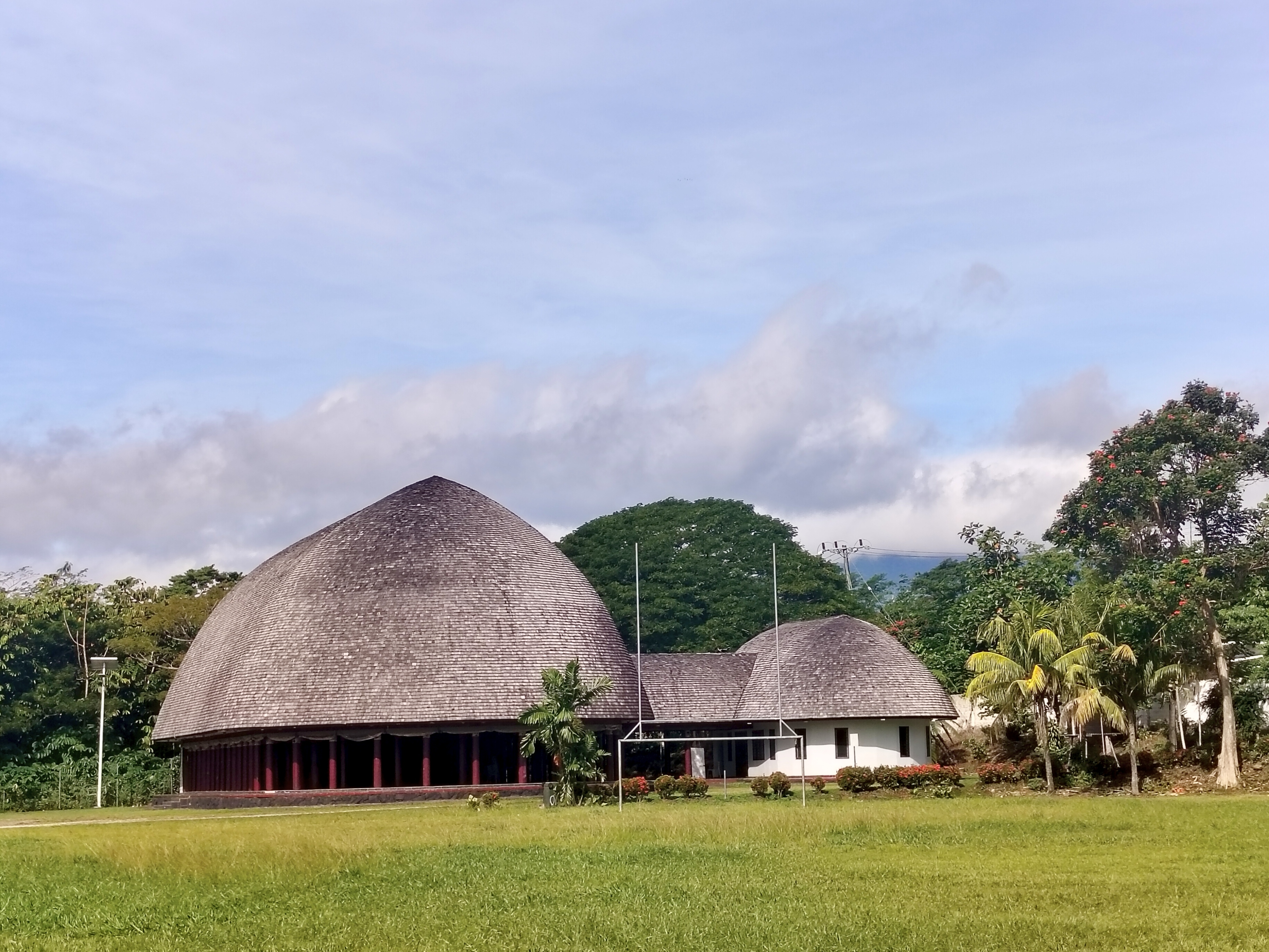
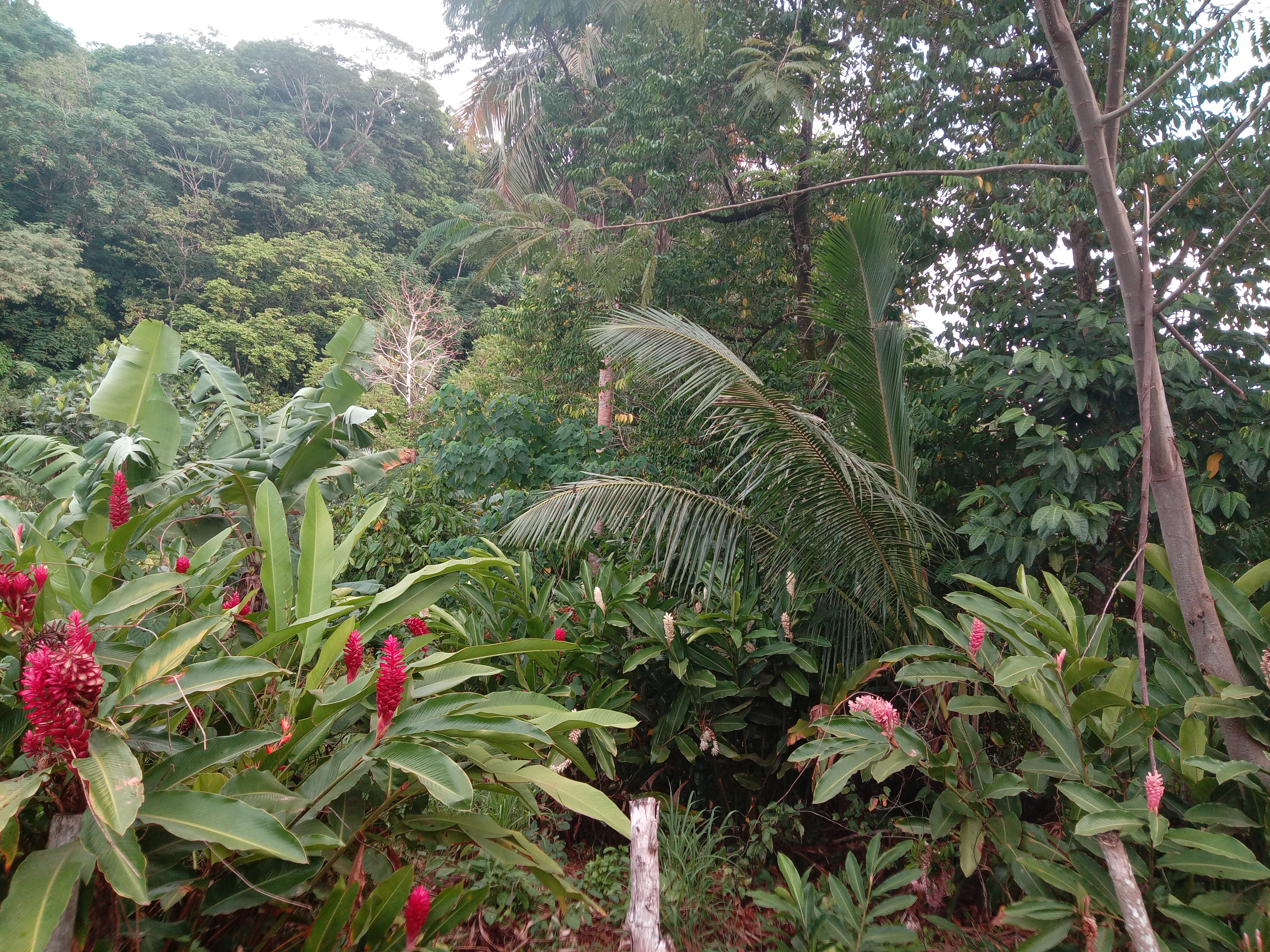
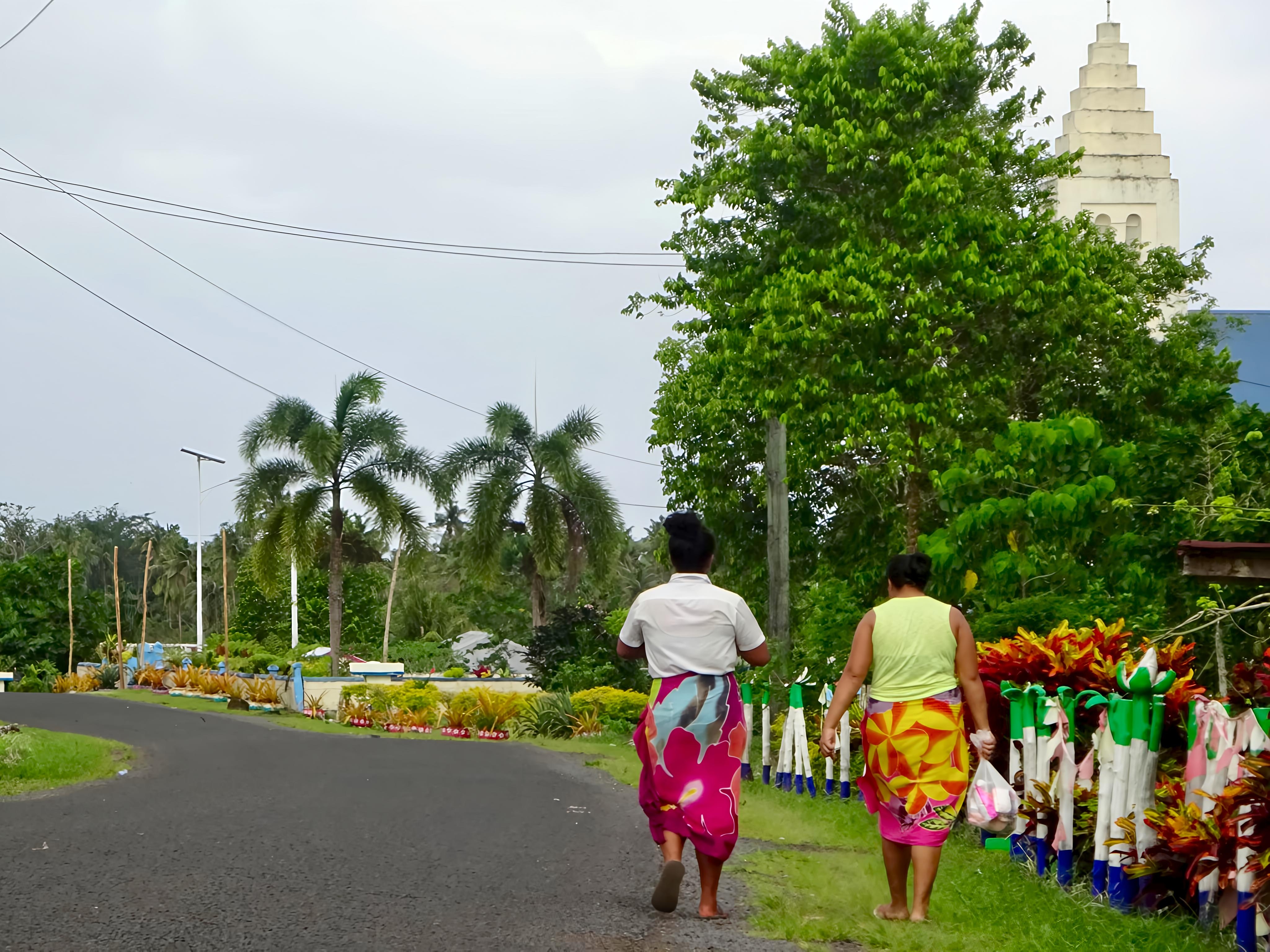
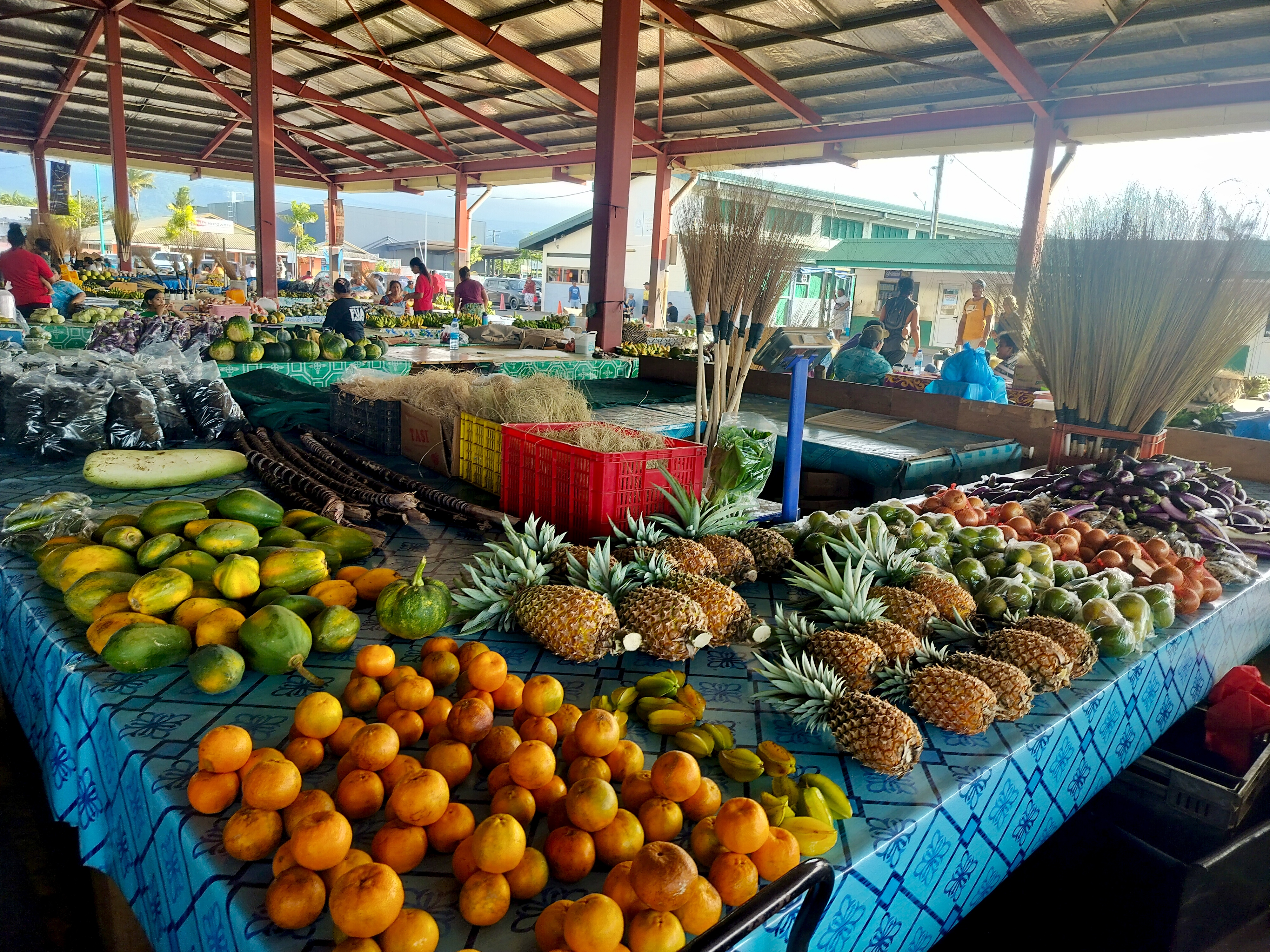
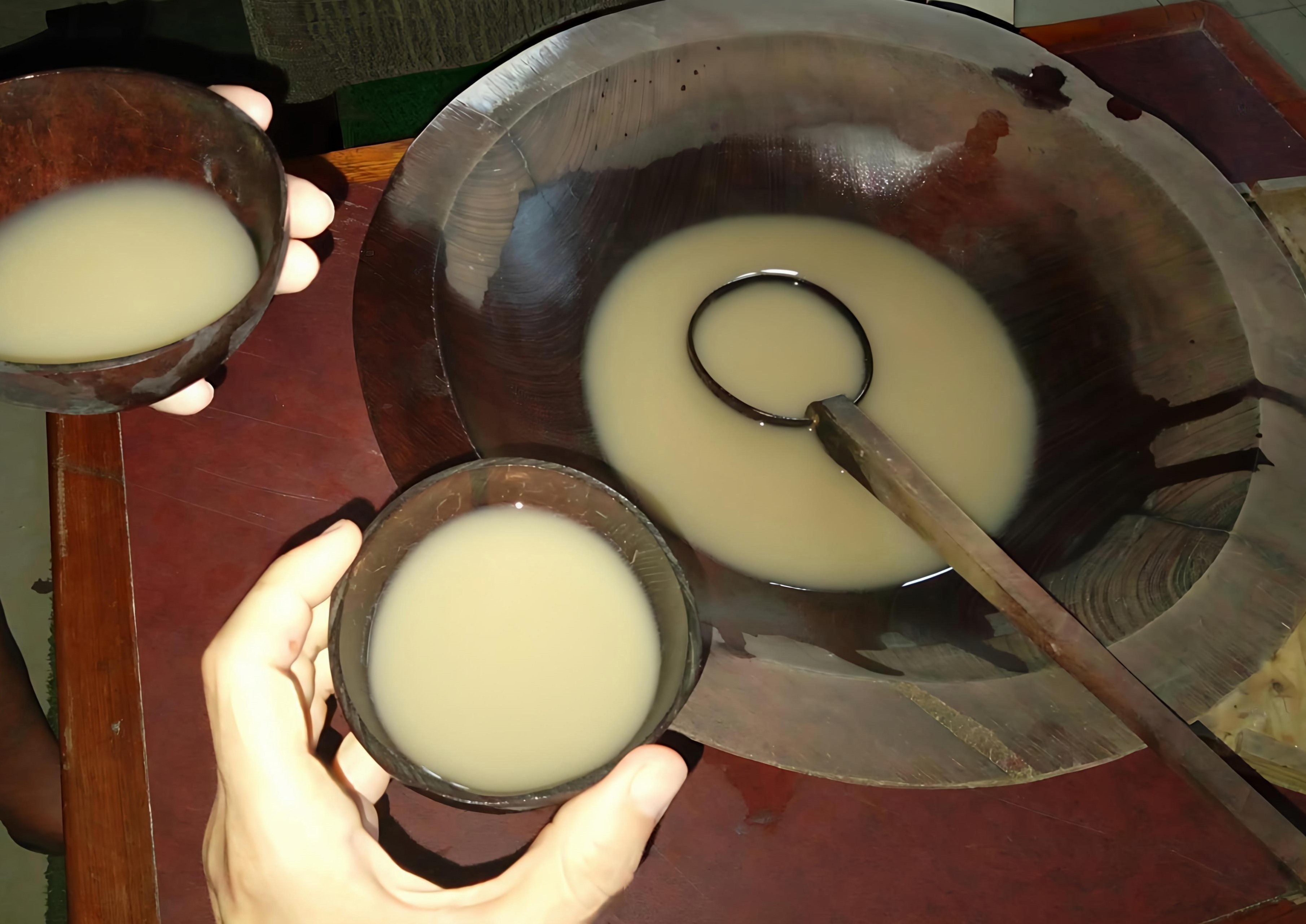
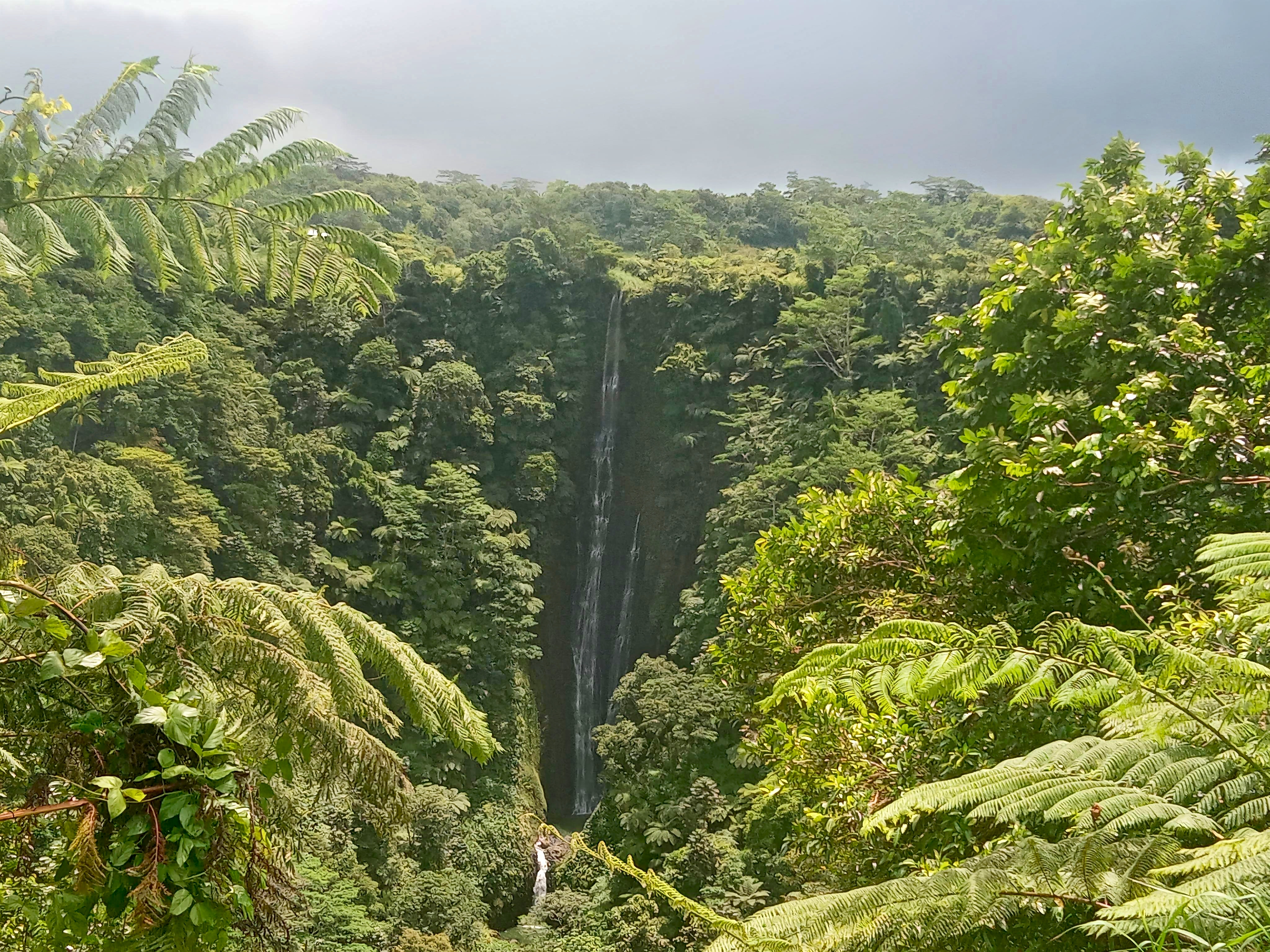
Alongside the scientific programme, the visit also offered an opportunity to discover Samoa's unique natural environment and cultural traditions. The island nation is characterised by remarkable plant biodiversity and a rich cultural heritage. Among the most memorable experiences were taking part in a traditional kava ceremony, involving a beverage prepared from the roots of Piper methysticum, and attending a traditional umu feast, where food is cooked for several hours in an underground oven.
In addition to valuable scientific insights, Marketa Houdkova greatly appreciated the opportunity to experience the island's distinctive culture and the warmth and genuine hospitality of the local people.
About Erasmus+ KA171
The Erasmus+ KA171 programme supports international mobility for students and university staff between EU Member States and partner countries outside the EU. It promotes international partnerships, the exchange of expertise, and stronger cooperation in education and research.
Publication related to previous research: Houdkova et al. (2021): https://doi.org/10.1016/j.sajb.2021.01.009