
The new project “ Collaborative Innovation for Sustainable Value Chains: A Case Study Approach (CI4VC)” is supported by ELLS network and the project team consists of academic staff from BOKU, CZU and SLU. The main goal of the project is to connect students of three ELLS universities (horizontally) and at the same time of different study programs (vertically) within one university so that they jointly develop a case study focused on sustainable value chain analysis from one of the selected East African countries.
According to the developed case study template, the five case studies will gradually circulate among three universities. The transdisciplinary approach will be ensured through a combination of various involved courses taught at BOKU, CZU, and SLU, such as Plant Protection Biology, Project Monitoring and Evaluation, Value Chain Management, Marketing of Tropical Products, Scientific Communication and Impacts (Applied Development Research), Quality Storage and Processing of Plant Products. The sustainability of the value chains will be evaluated from a broad spectrum of food systems perspectives, starting from sustainable production, processing and crop improvement through identification of key stakeholders and consumption patterns to waste management and final recommendations. As the case study target countries were identified East African countries:
- Ethiopia (coffee)
- Kenya (mango)
- Rwanda (tea)
- Somalia (sorghum)
- Uganda (plantains)
- Tanzania (beans)
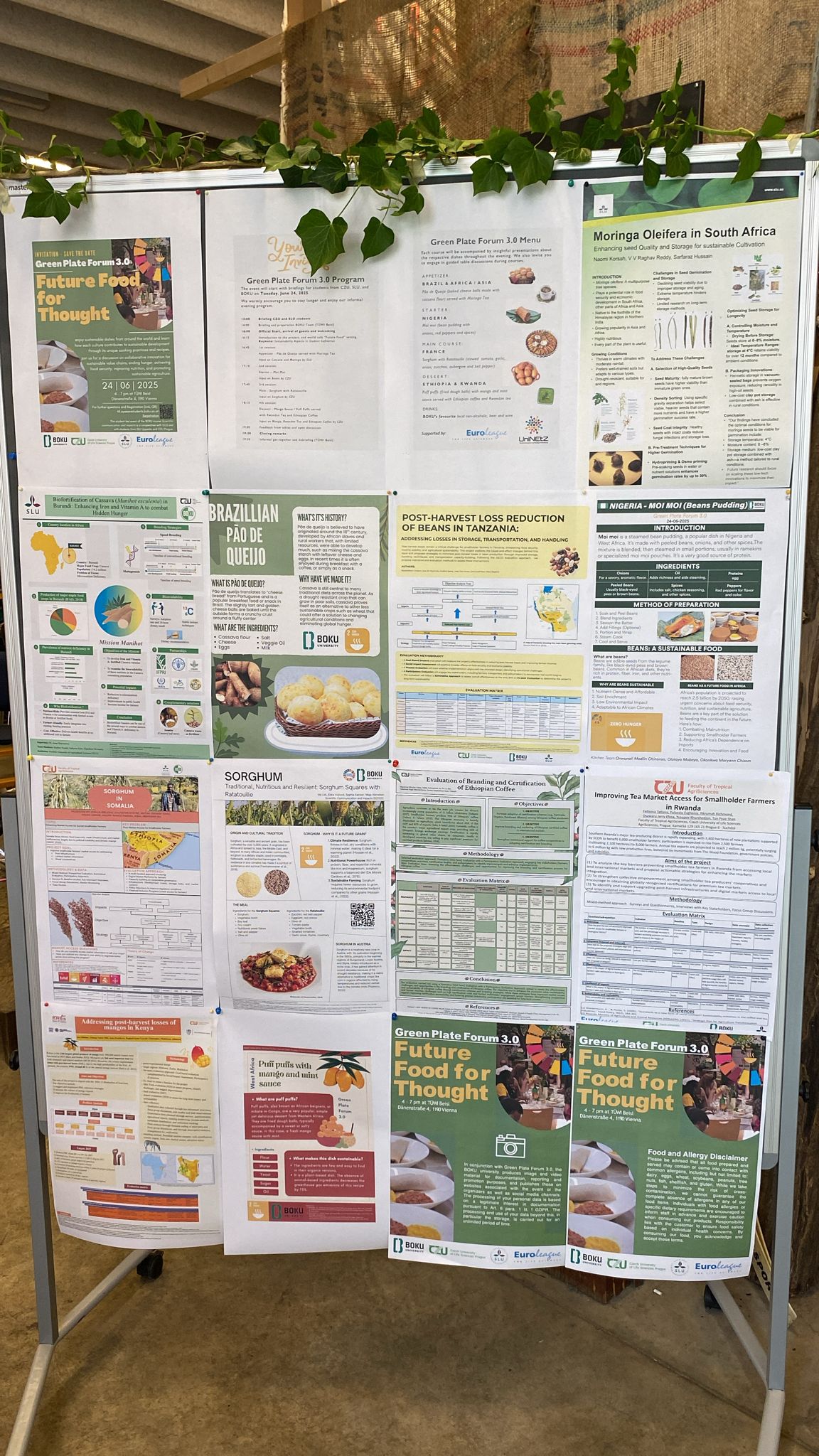
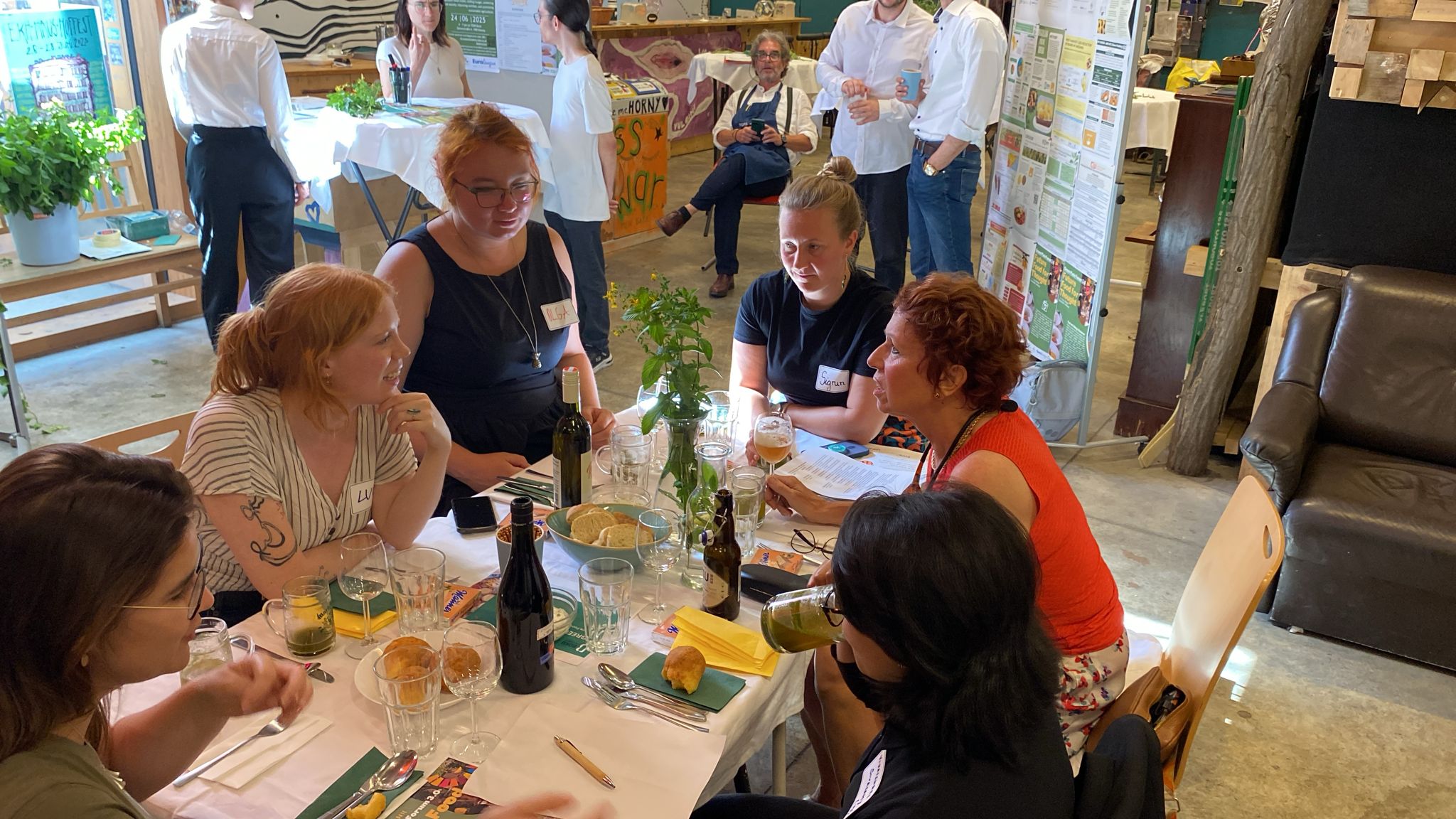
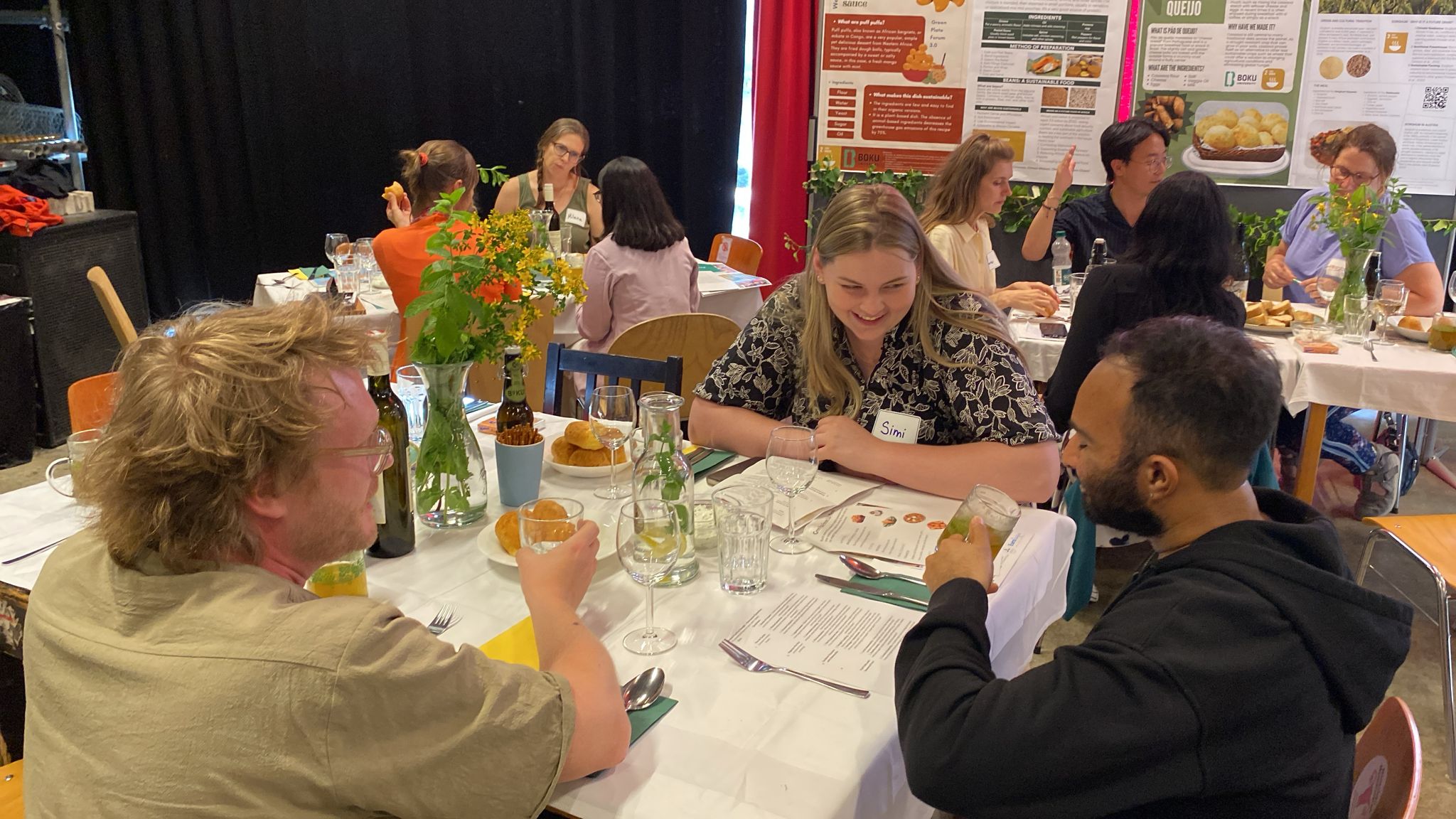
The students will prepare presentations and posters, which they will present during the Green Plate Forum 3.0 event, organized in the second half of June 2025, in the TÜWI student restaurant, BOKU, Vienna, Austria. During this event, students will compile a degustation menu composed of one dish per country, prepare the recipe, focus on the sustainability of the production of the selected dish, and discuss the aspects of inclusivity of value chains of involved ingredients and dishes. The event attendees will be students and academic staff of BOKU, CZU, SLU and other ELLS universities, plus invited guests (e.g., stakeholders, policy and other decision-makers). This unique environment will provide a safe space for students to exchange ideas and opinions on (plant-based) food production, food security and sustainable production of (plant) food ingredients and possible alternatives that are part of traditional dishes of displaced inhabitants of each country from the case studies.
The results of the entire project will be presented at the ELLS 2025 student conference in a special section. euroleague-study.org/en/r-20339-student-conference
FTA Students and Staff Participated in Green Plate Forum 3.0 – 'Future Food for Thought'
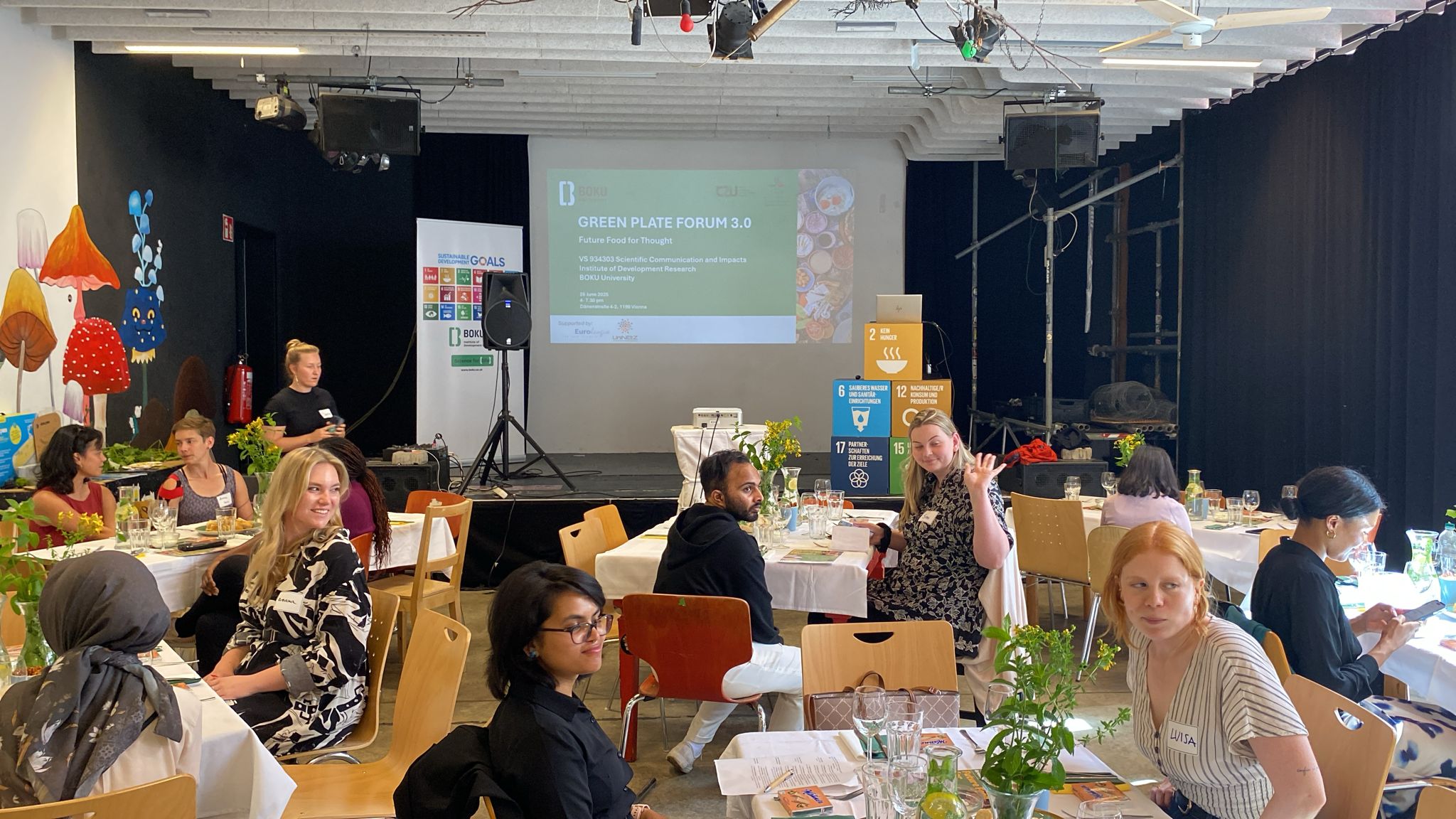
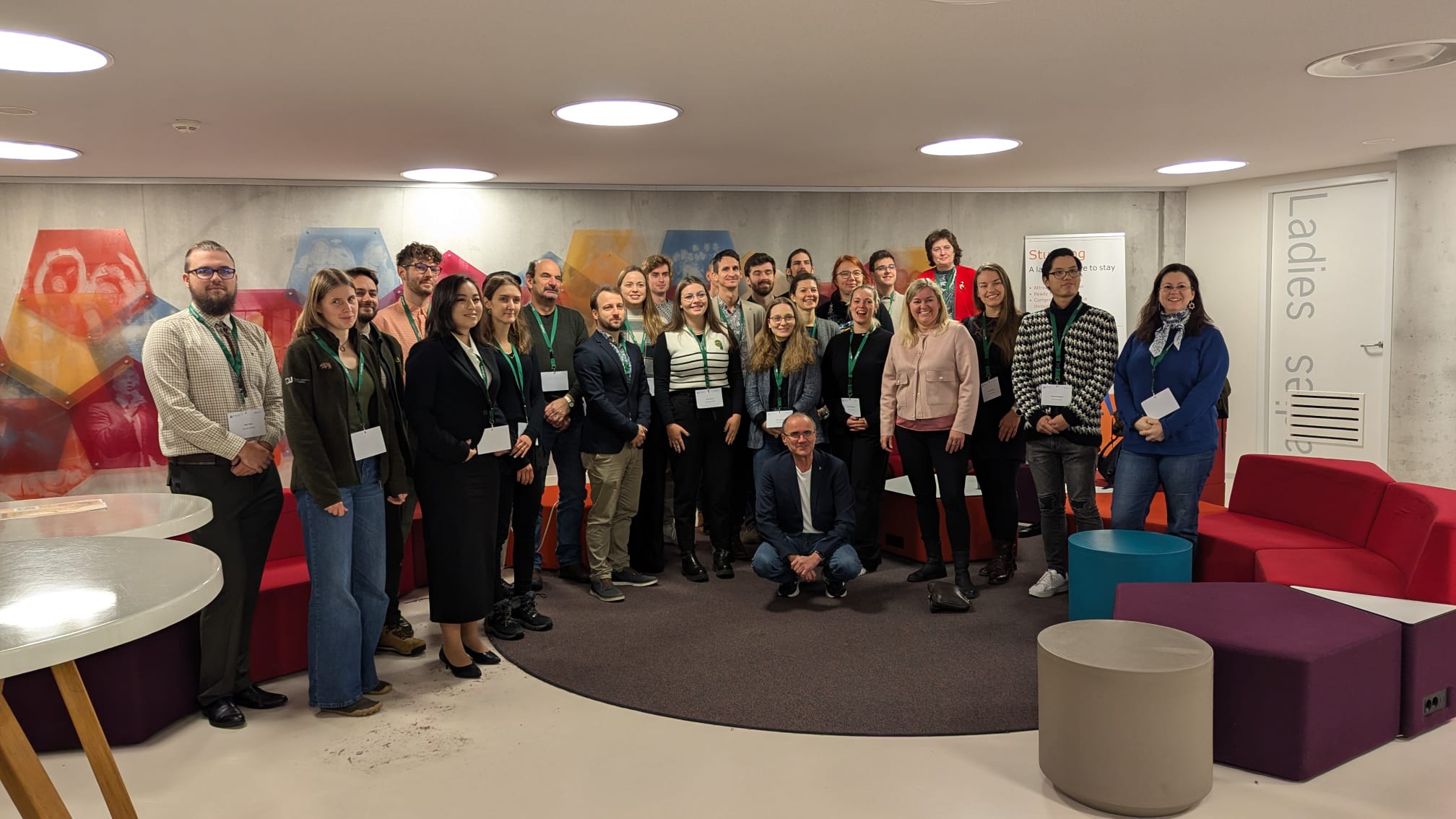
The Green Plate Forum 3.0, titled “Future Food for Thought”, was successfully held on 24 June 2025, from 16:00 to 19:30, at BOKU University, TÜWI, Vienna. The event was jointly hosted and organized by students from BOKU University, together with our international guests from the Czech University of Life Sciences (CZU) Prague and the Swedish University of Agricultural Sciences (SLU), and was proudly supported by the Euroleague for Life Sciences (ELLS). This year’s forum focused on exploring the global intersections of food culture and sustainability. Under the theme “Future Food for Thought”, the event celebrated sustainable dishes from around the world, showcasing how diverse cultures contribute to sustainable development through traditional cooking practices, recipes, and localized food systems.
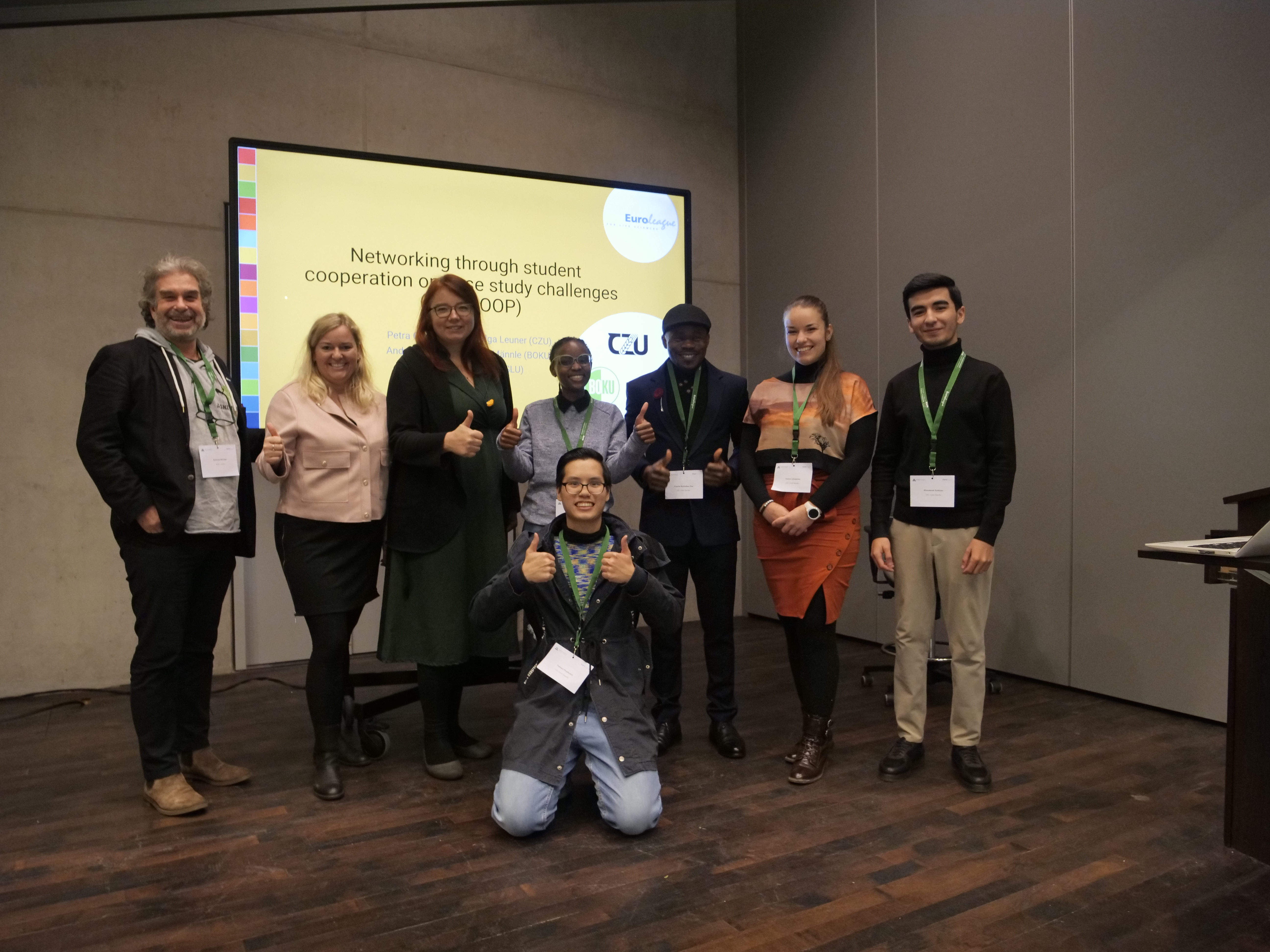
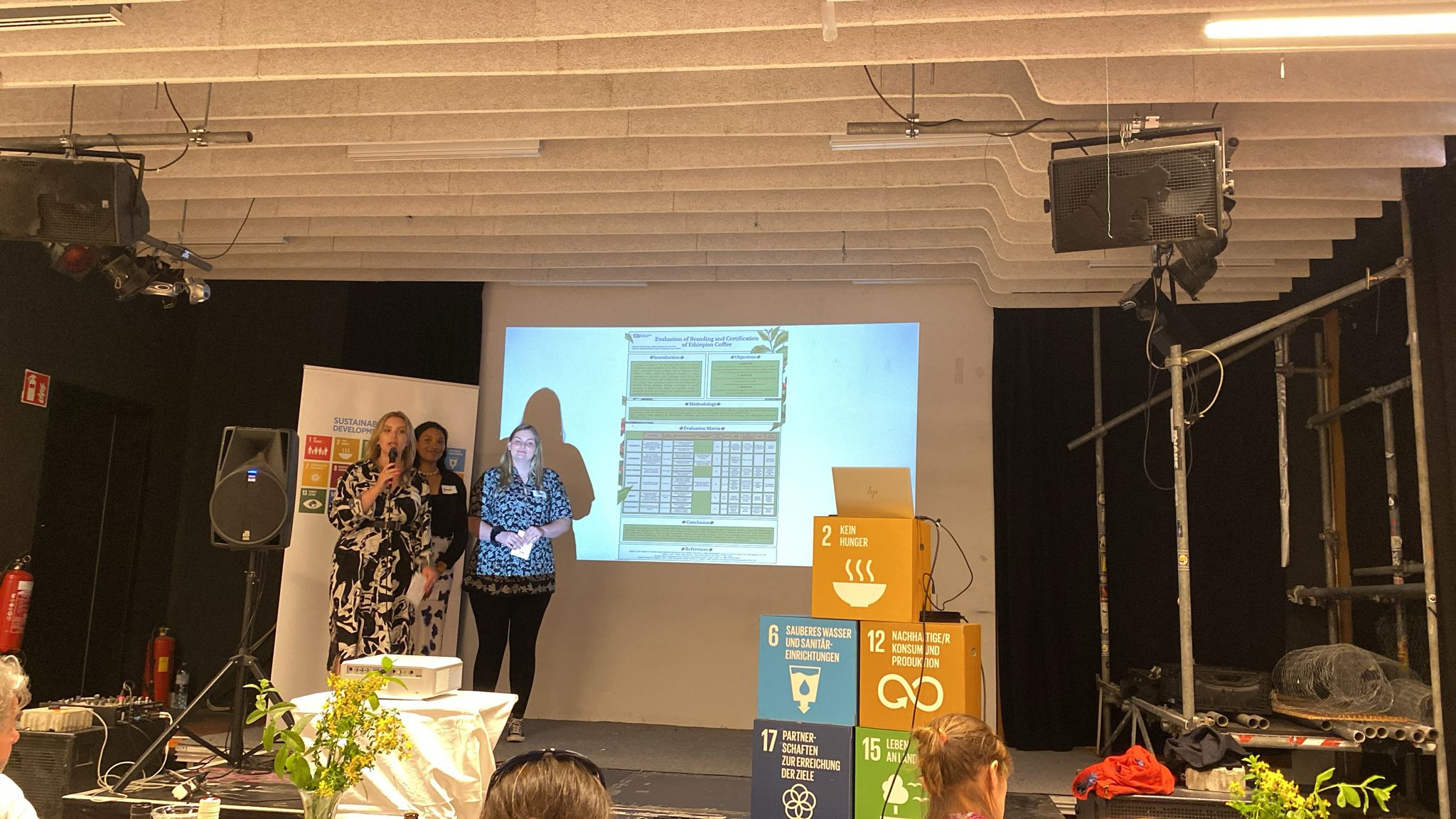
The event was opened by Andreas Melcher from BOKU, who warmly welcomed the participants and emphasized the importance of international collaboration in the field of sustainable agri-food systems. Following the opening, Petra Chaloupková and Olga Leuner from CZU Prague – Faculty of Tropical AgriSciences (FTZ) presented the project: “Collaborative Innovation for Sustainable Value Chains: A Case Study Approach (CI4VC)”, which served as a key framework for the discussions that followed. A keynote address was delivered by Luisa Buss, currently enrolled in the Double Degree Master’s programme between CZU (Czech Republic) and UHOH (Germany). She shared insights from the research project, “Sustainability Aspects in Student Cafeterias”, funded by the Menu for Change initiative. Her presentation highlighted actionable steps for improving sustainability in food services within university settings.
In a dedicated session, students from FTZ CZU shared their field-based case studies on selected agri-food value chains:
- Zuzana Procházková – The Bean Value Chain in Tanzania
- Yvonne Kyselová – The Sorghum Value Chain in Somalia
- Simona Procházková – The Mango Value Chain in Kenya
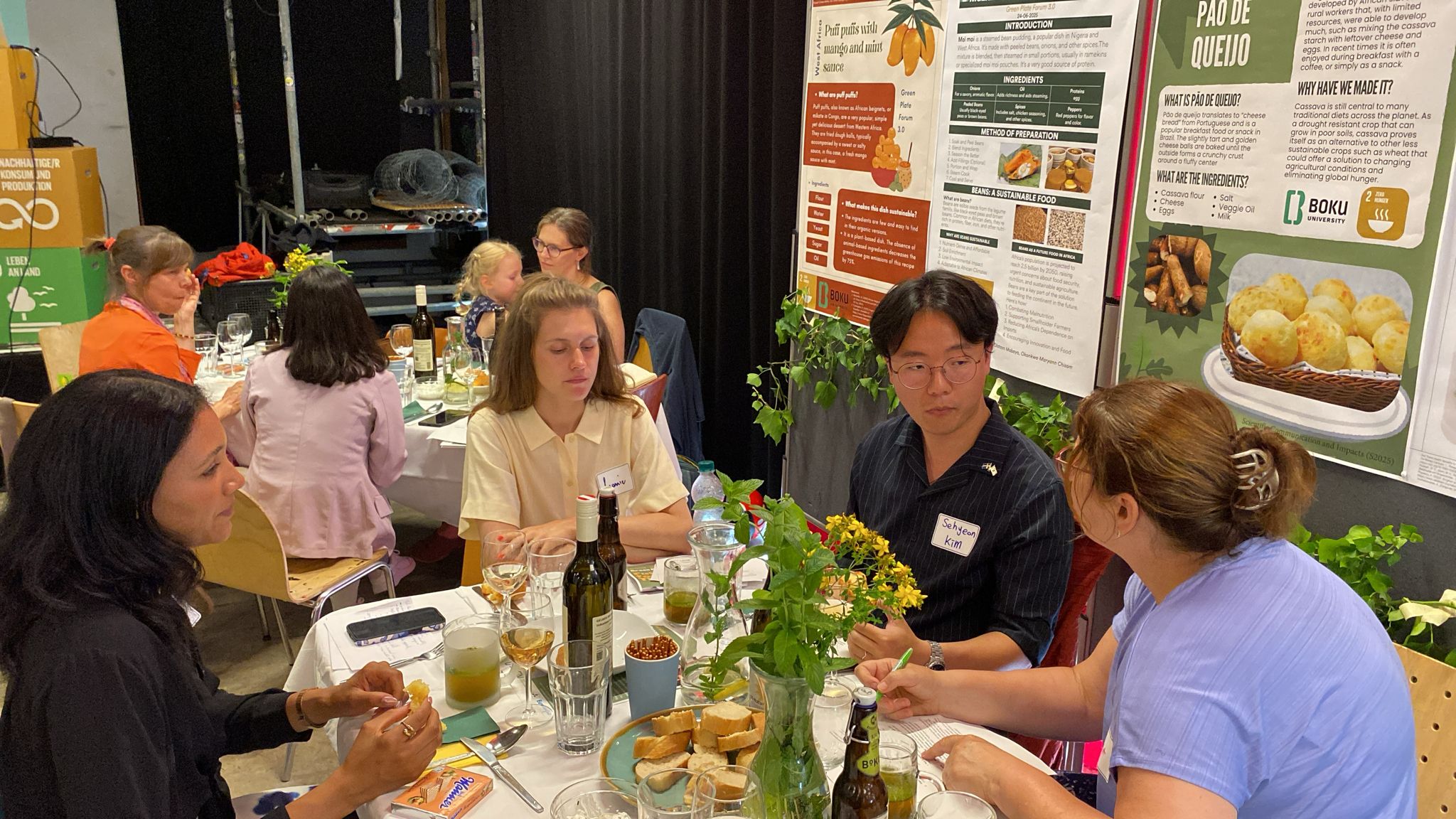
The academic programme was complemented by roundtable discussions and international food tastings, creating a unique opportunity for cross-cultural exchange. Nearly 50 participants from various backgrounds, including students, academic staff, industry representatives, embassy officials, and members of governmental and non-governmental organizations engaged in meaningful dialogue on:
- Collaborative innovation in sustainable value chains
- Ending hunger and achieving food security
- Improving nutrition
- Promoting sustainable agriculture
Sustainable meals prepared with inspiration from different world cuisines accompanied the discussions, reinforcing the link between local food traditions and global sustainability efforts.
Green Plate Forum 3.0 once again demonstrated the power of student-led international collaboration in promoting sustainability education. Through knowledge sharing, interdisciplinary dialogue, and cultural celebration, the event strengthened partnerships across the ELLS network and emphasized the crucial role that young professionals and academics play in shaping sustainable agri-food futures.
We thank all participants, speakers, and organizers for their contributions and look forward to future editions of the Green Plate Forum.
FTZ at ELLS 2025 General Assembly and Scientific Student Conference in Sweden
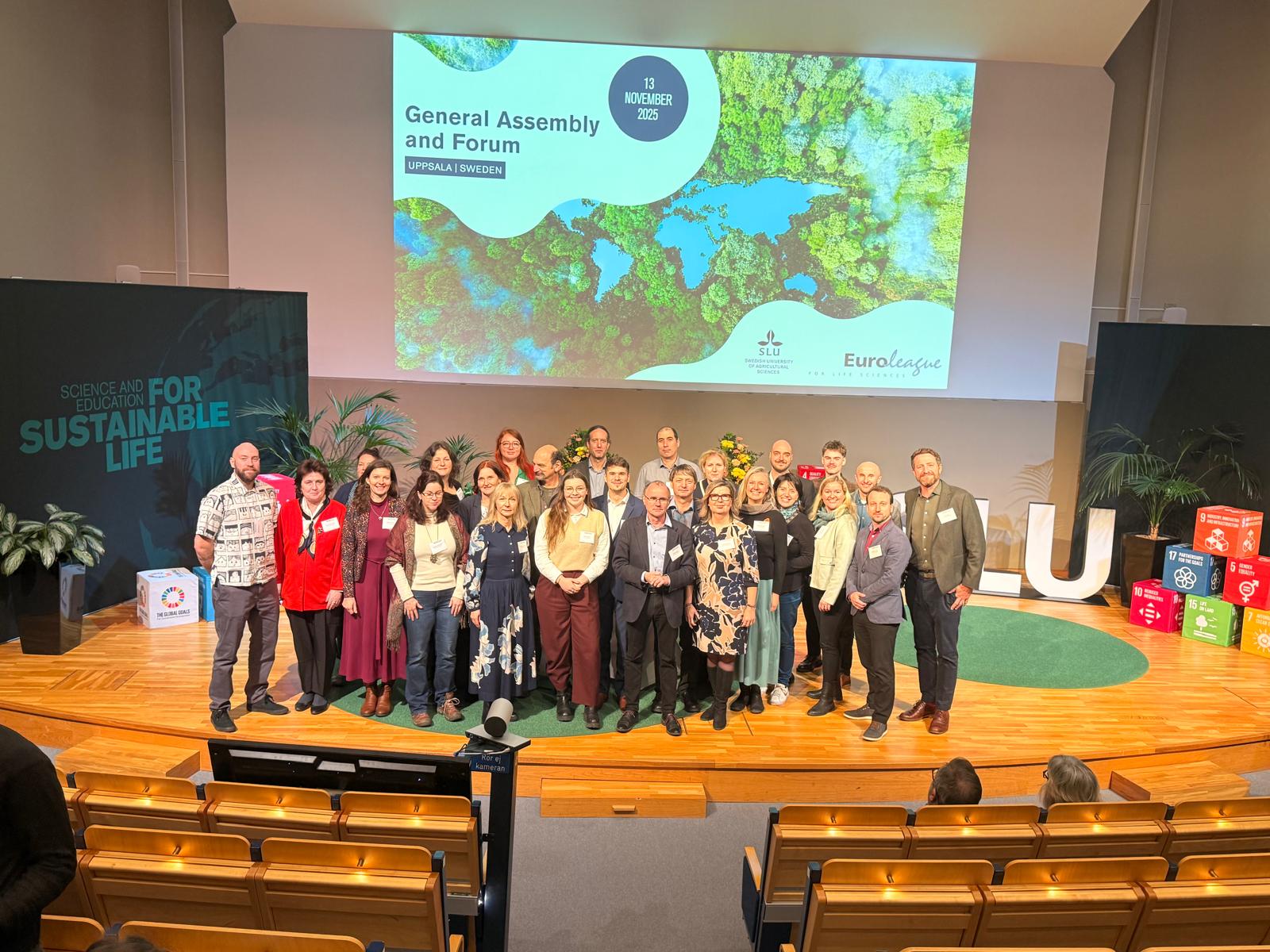
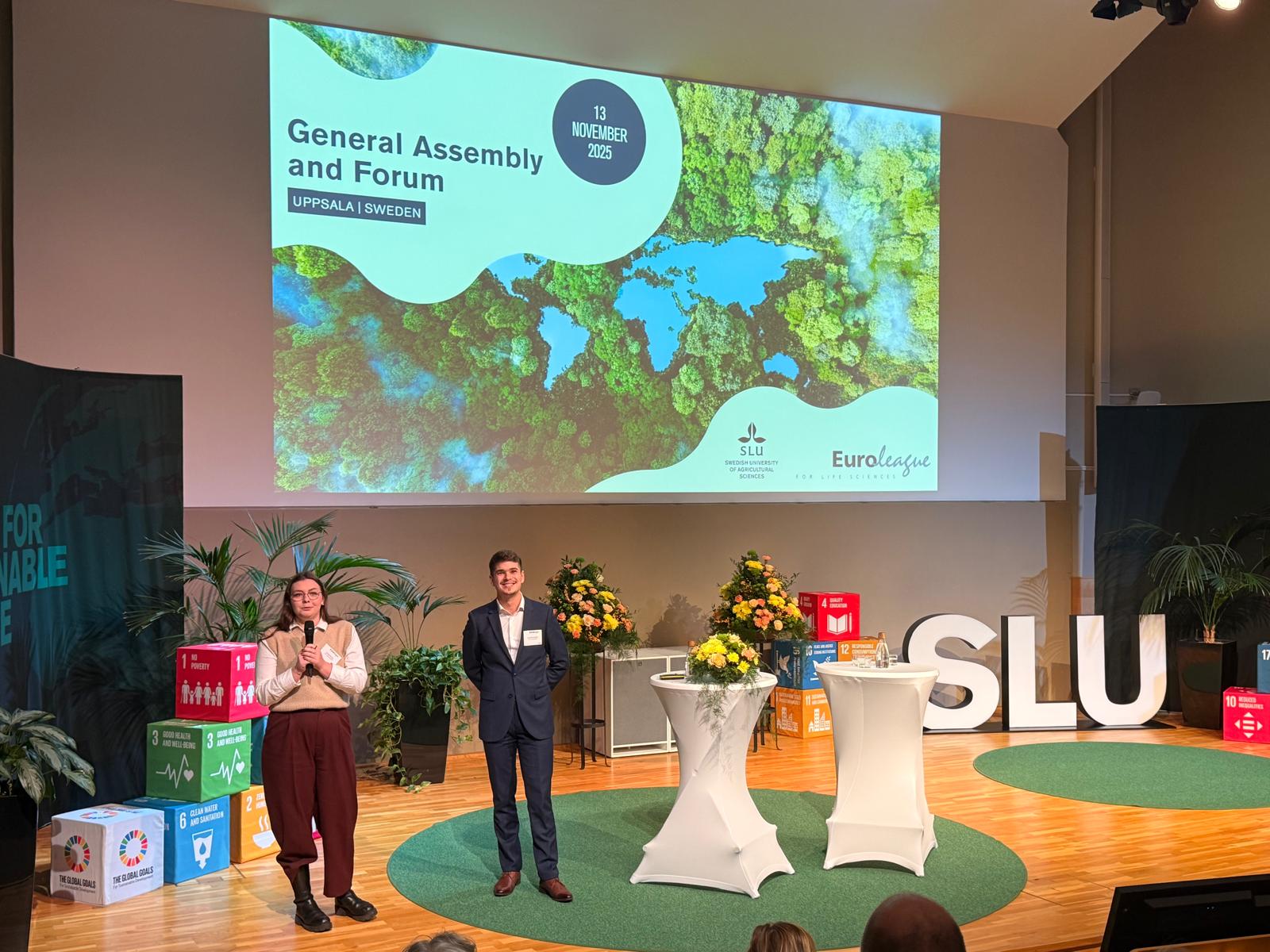
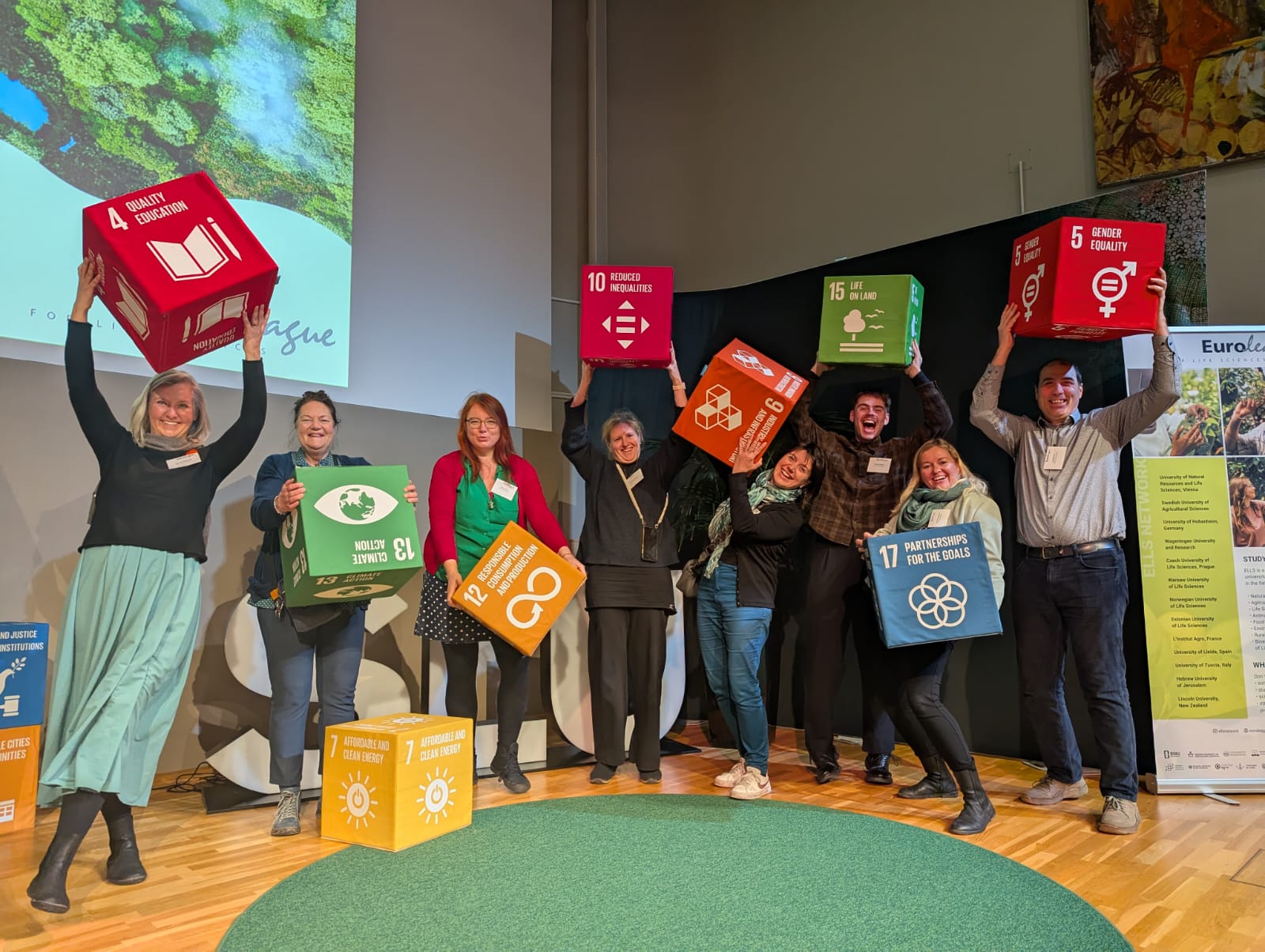
Representatives from FTZ took part in the ELLS 2025 General Assembly and Forum, held in Sweden from 13–15 November. Colleagues from the International Office and the Study Administration Office attended a variety of lectures and seminars focused on improving services for students, exchanging experiences, and strengthening collaboration across the Euroleague for Life Sciences (ELLS) network.
Presentation of the CI4VC Project
One of the highlights of the forum was the presentation of the project “Collaborative Innovation for Sustainable Value Chains: A Case Study Approach (CI4VC)”. Supported by the ELLS network, the project team consists of academic staff from BOKU, CZU, and SLU. Its main goal is to connect students across three universities (horizontally) and across different study programs within each institution (vertically). Together, students develop case studies focused on sustainable value chain analysis in selected East African countries.
The project ensures a transdisciplinary approach by combining courses taught at BOKU (led by Andreas Melcher), CZU (led by Petra Chaloupková and Olga Leuner), and SLU (coordinated by Anna Maňourová). These courses include Plant Protection Biology, Project Monitoring and Evaluation, Value Chain Management, Marketing of Tropical Products, Scientific Communication and Impacts (Applied Development Research), and Quality Storage and Processing of Plant Products.
Case Study Countries and Focus
The sustainability of value chains is evaluated from multiple perspectives, ranging from sustainable production and crop improvement to stakeholder identification, consumption patterns, waste management, and final recommendations. The selected case study countries and their focal products are:
- Ethiopia – Coffee
- Kenya – Mango
- Rwanda – Tea
- Somalia – Sorghum
- Uganda – Plantains
- Tanzania – Beans
Project outputs were presented by Petra Chaloupková and Olga Leuner (CZU), Andreas Melcher (BOKU), and Anna Maňourová (SLU). They shared their insights on organizing transdisciplinary activities within their courses. Students also provided feedback on their experiences and created short project videos to showcase their work. (links: ELLS 1.mp4)
ELLS Scientific Student Conference 2025
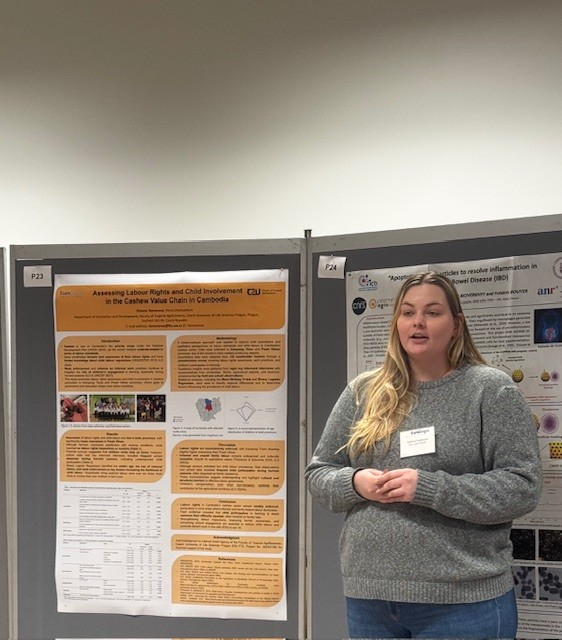
At the same time, the 17th ELLS Scientific Student Conference took place on 14–15 November in Uppsala, Sweden, under the theme i“Living the ELLSperience – Cultivating Scientific Innovation.” Organized by SLU together with the ELLS network, the conference offered students the opportunity to present their research, broaden their knowledge, and exchange ideas with peers from across Europe. Awards were given for the best poster and oral presentations, and social activities complemented the scientific program.
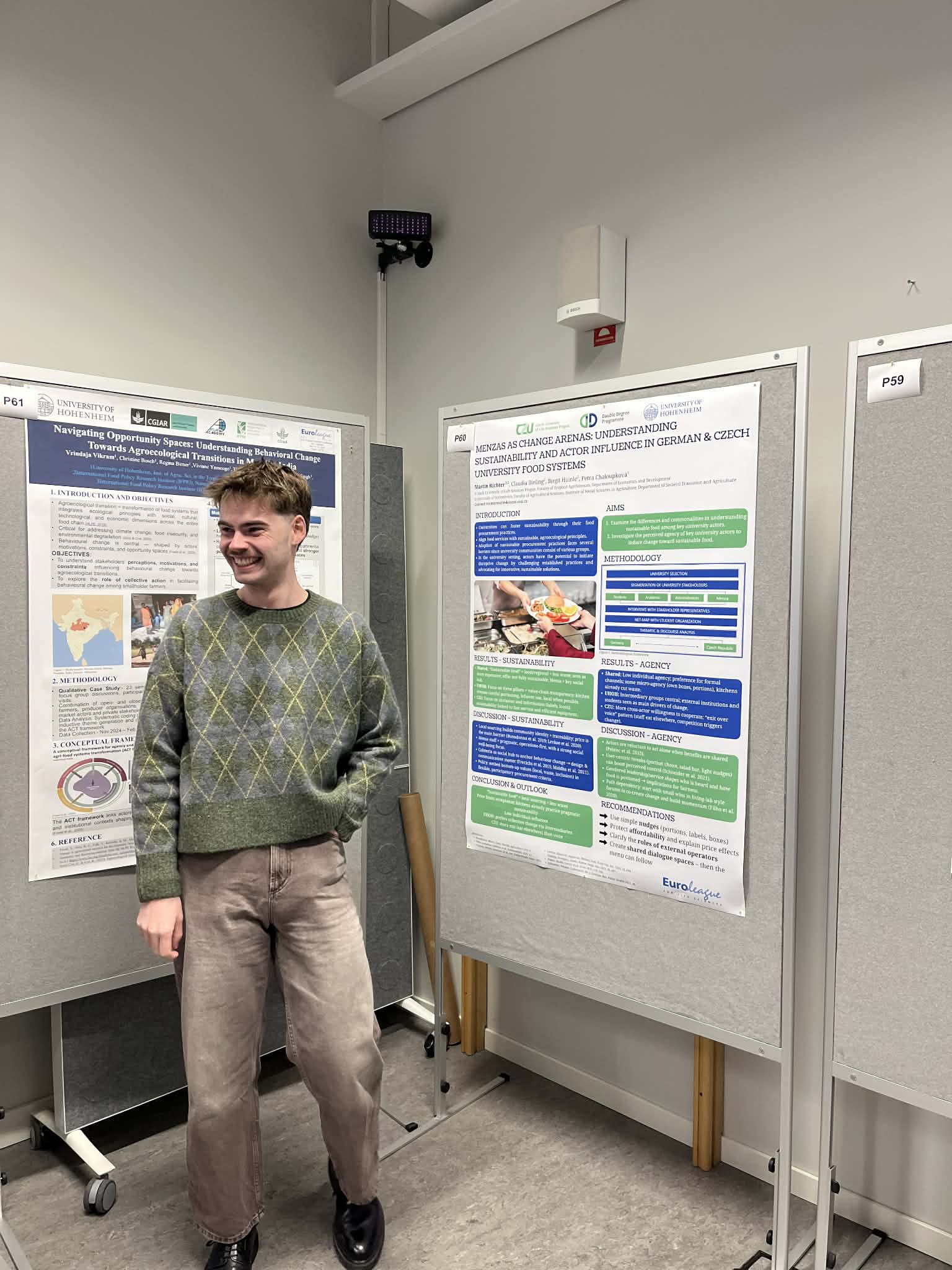
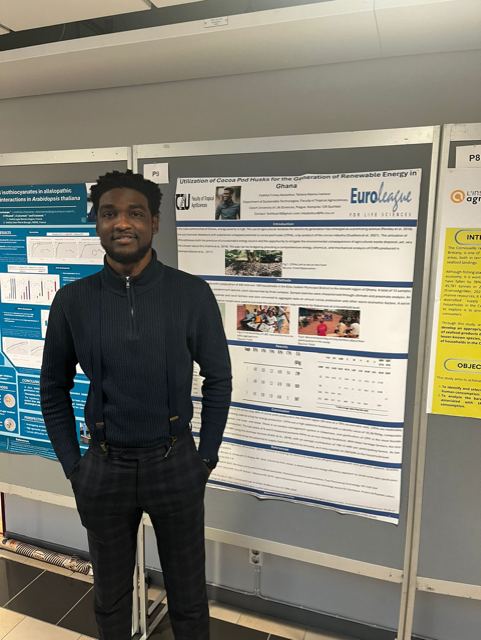
FTZ was represented by three PhD students—Simona Tomanová, Martin Richter, and Faithful Finney Adubofour—who presented research based on their Master’s thesis topics. Their participation highlighted the strong engagement of FTZ students in international scientific collaboration.
About ELLS
The Euroleague for Life Sciences (ELLS) is a prestigious network of leading universities collaborating in Natural Resource Management, Agricultural and Forestry Sciences, Life Sciences, Animal Sciences, Food Sciences, Environmental Sciences, and Rural Development, including Agricultural Economics and Rural Sociology. Through initiatives like the General Assembly, the CI4VC project, and the Scientific Student Conference, ELLS continues to cultivate innovation, foster collaboration, and provide students with unique opportunities to engage in international scientific exchange.