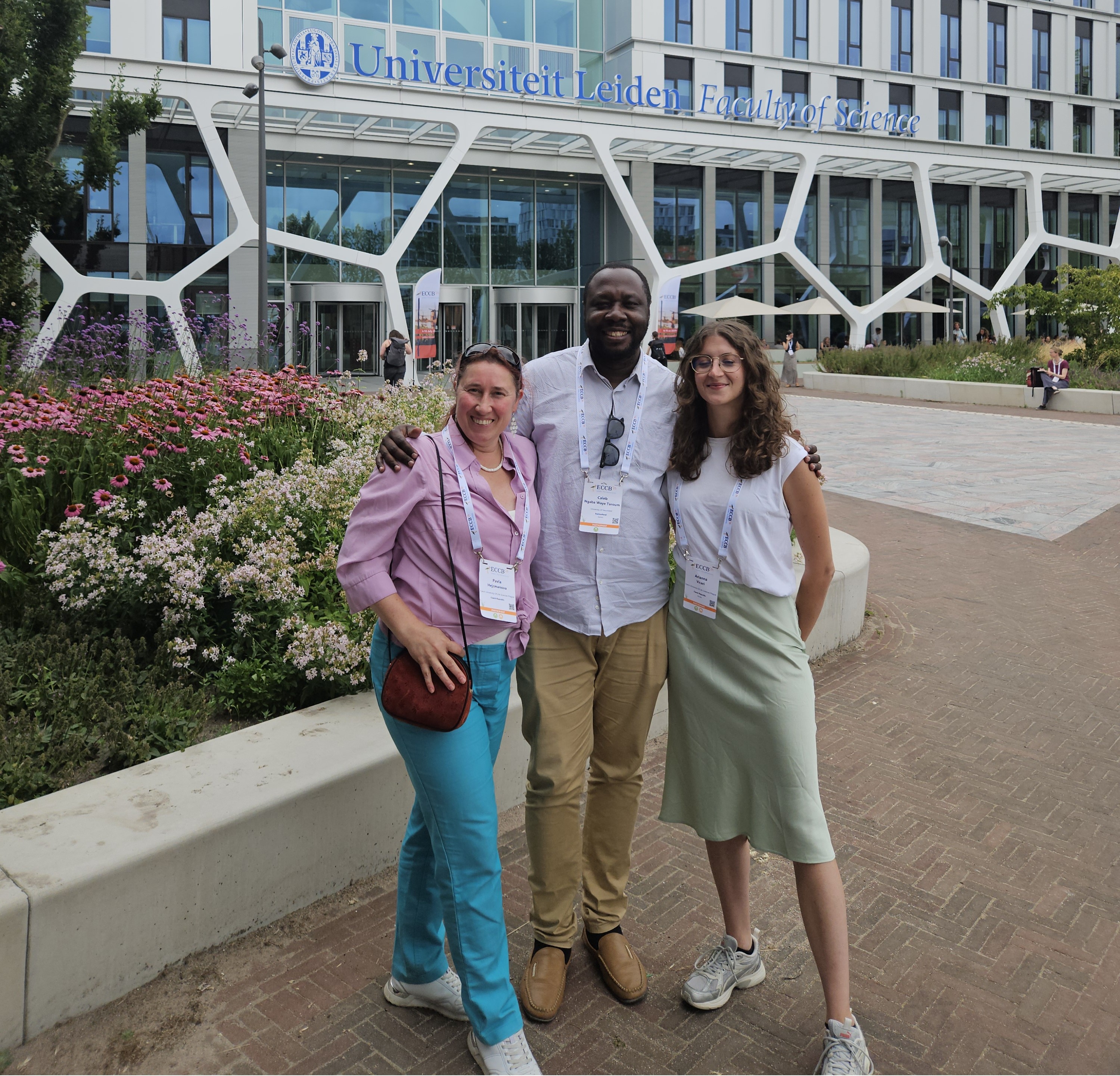

Researchers from the Faculty of Tropical AgriSciences at the Czech University of Life Sciences Prague (CZU Prague) presented their research on the conservation of endangered African ungulates at the European Congress of Conservation Biology (ECCB 2026). Their presentations highlighted that effective biodiversity conservation depends not only on robust scientific evidence but also on understanding the relationship between local communities and nature.
The research team presented findings from the doctoral dissertation of Abdoul Razack Moussa Zabeirou, which focuses on the ecology of ungulates in Niger and their conservation in Saharan and desert ecosystems.
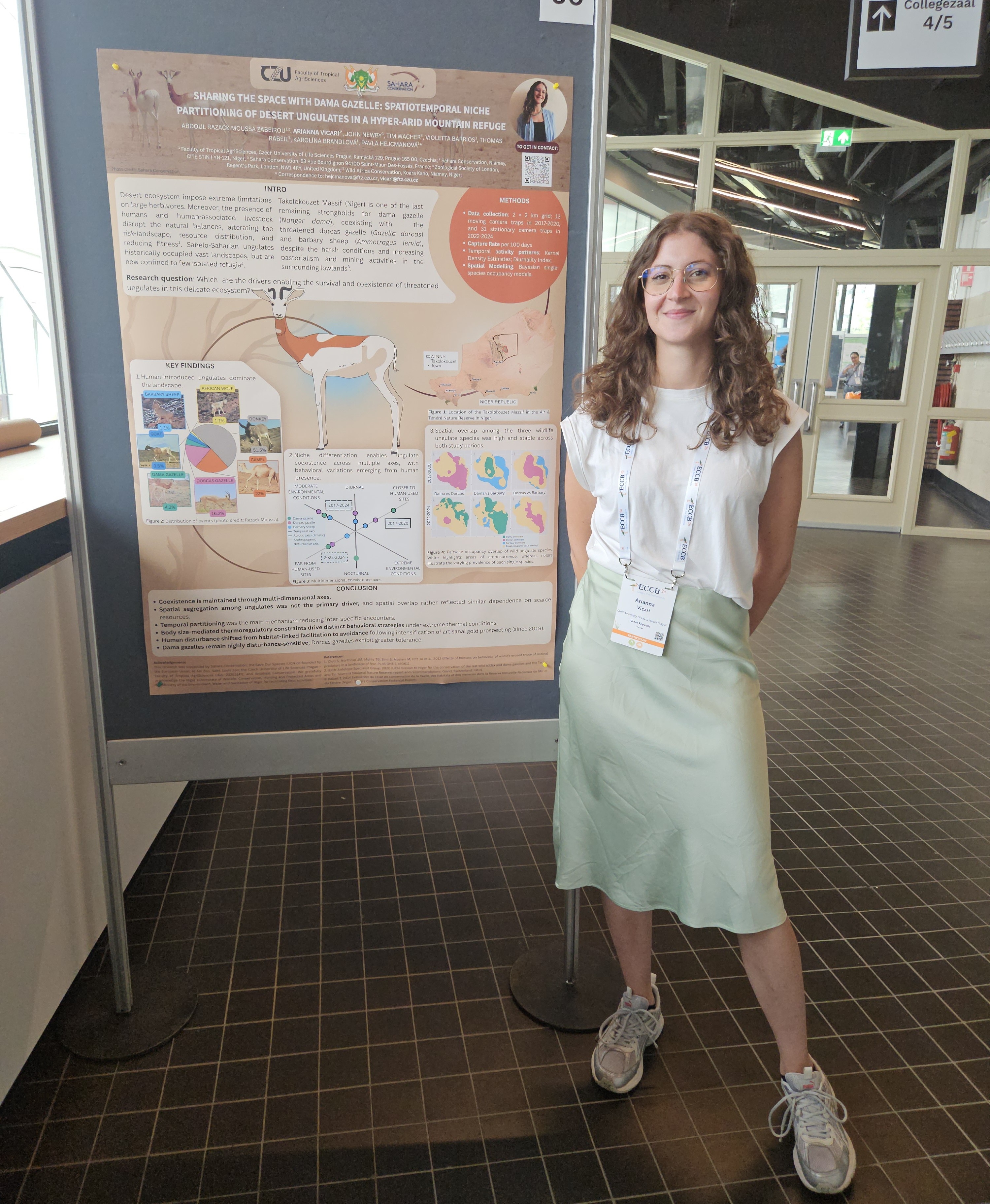
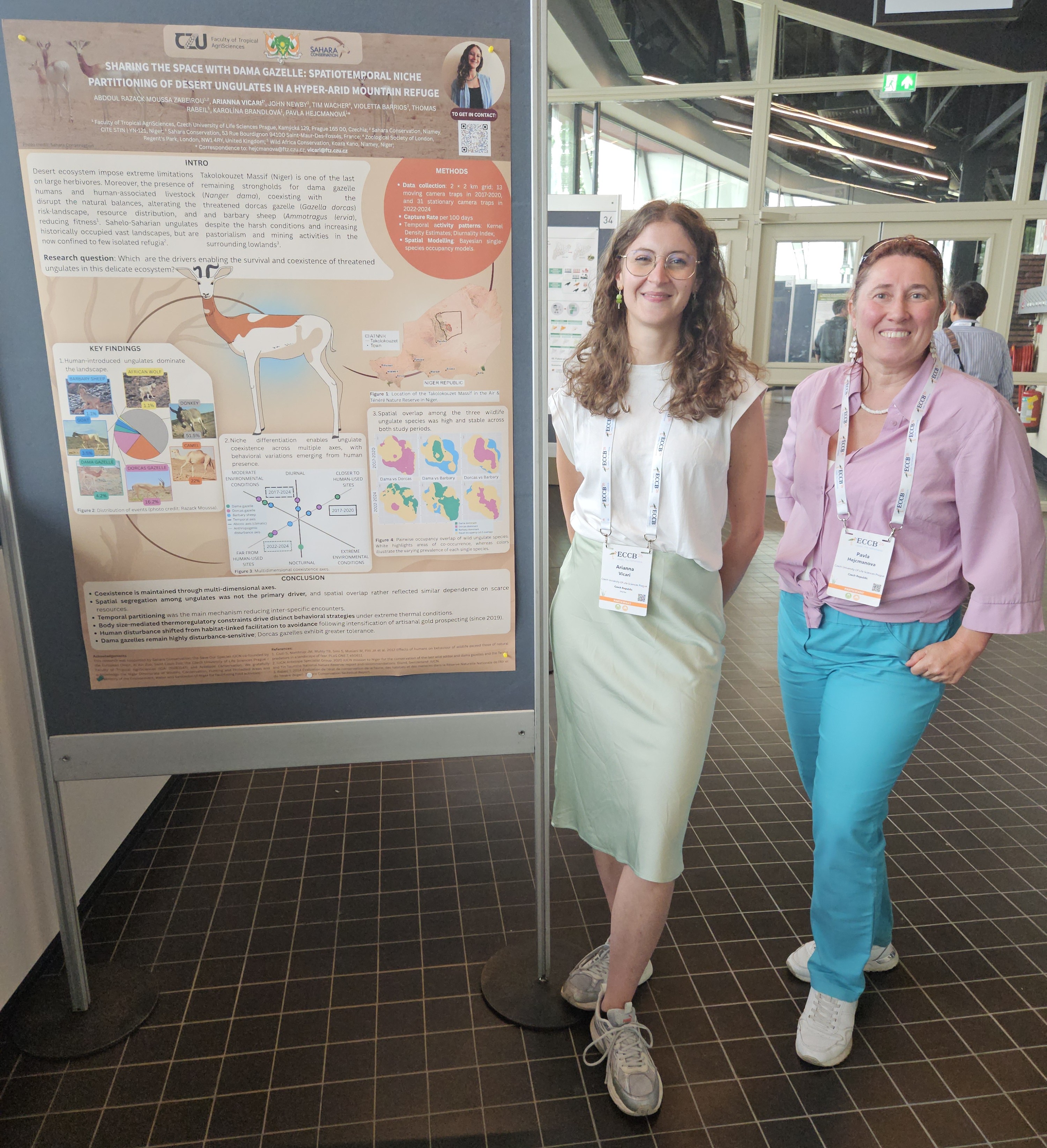
PhD student Arianna Vicari presented a poster exploring the ecological factors that enable endangered ungulates to coexist in fragile desert ecosystems. Her research contributes to a better understanding of the functioning of these unique ecological communities and provides valuable insights for designing effective conservation strategies.
The poster presentation was followed by a talk by Prof. Pavla Hejcmanová, who focused on the human dimension of wildlife conservation. She presented research examining how local communities perceive wild animals, the value they attribute to wildlife, and how these perceptions can influence the long-term conservation of endangered species.
Participation in ECCB 2026 reaffirmed the importance of integrating ecological research with the social dimensions of conservation. Combining scientific knowledge with collaboration with local communities is one of the key prerequisites for safeguarding biodiversity in a rapidly changing world.
We congratulate our colleagues on successfully representing the Faculty of Tropical AgriSciences at this prestigious international conference and wish them continued success in their research.