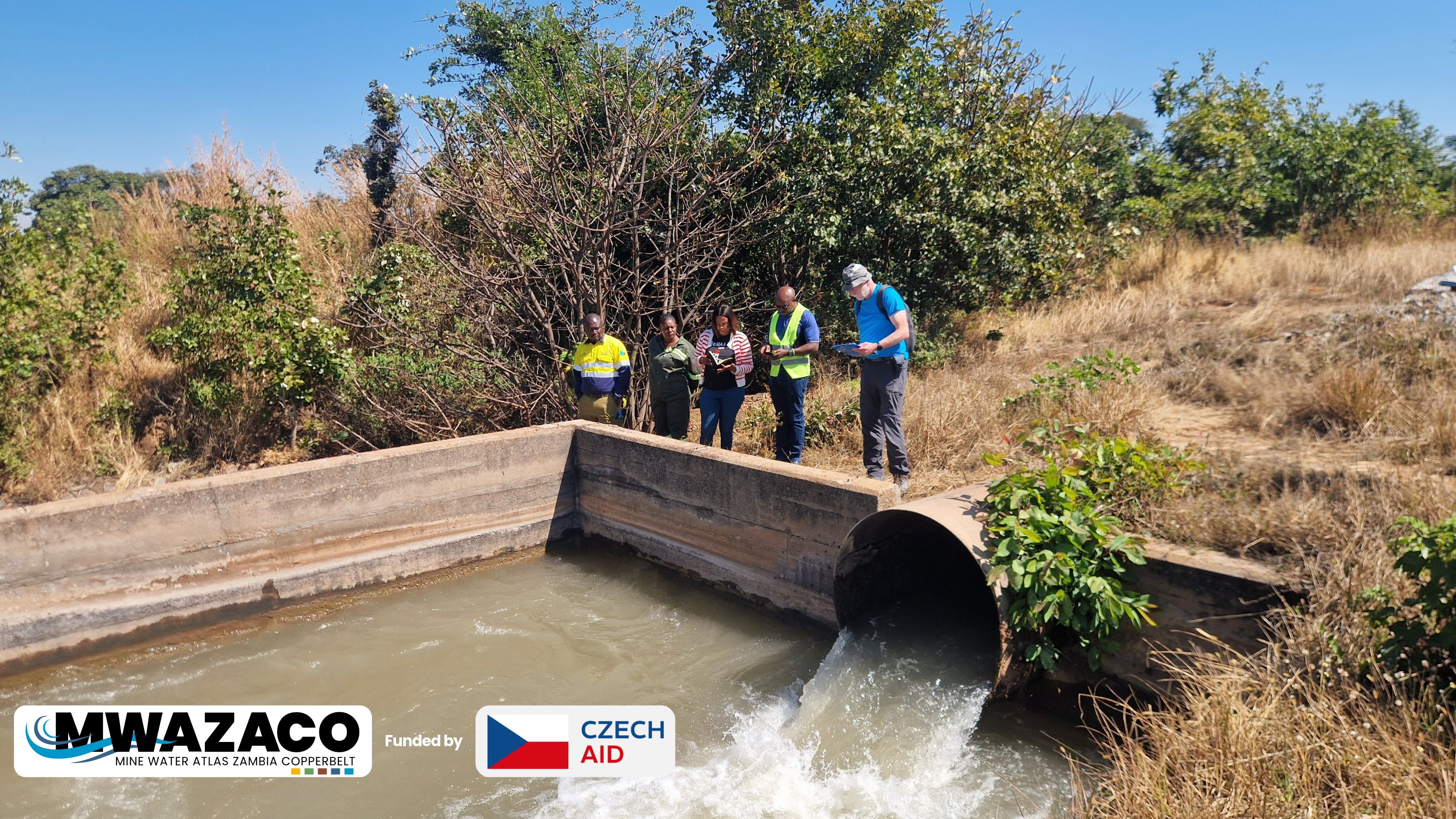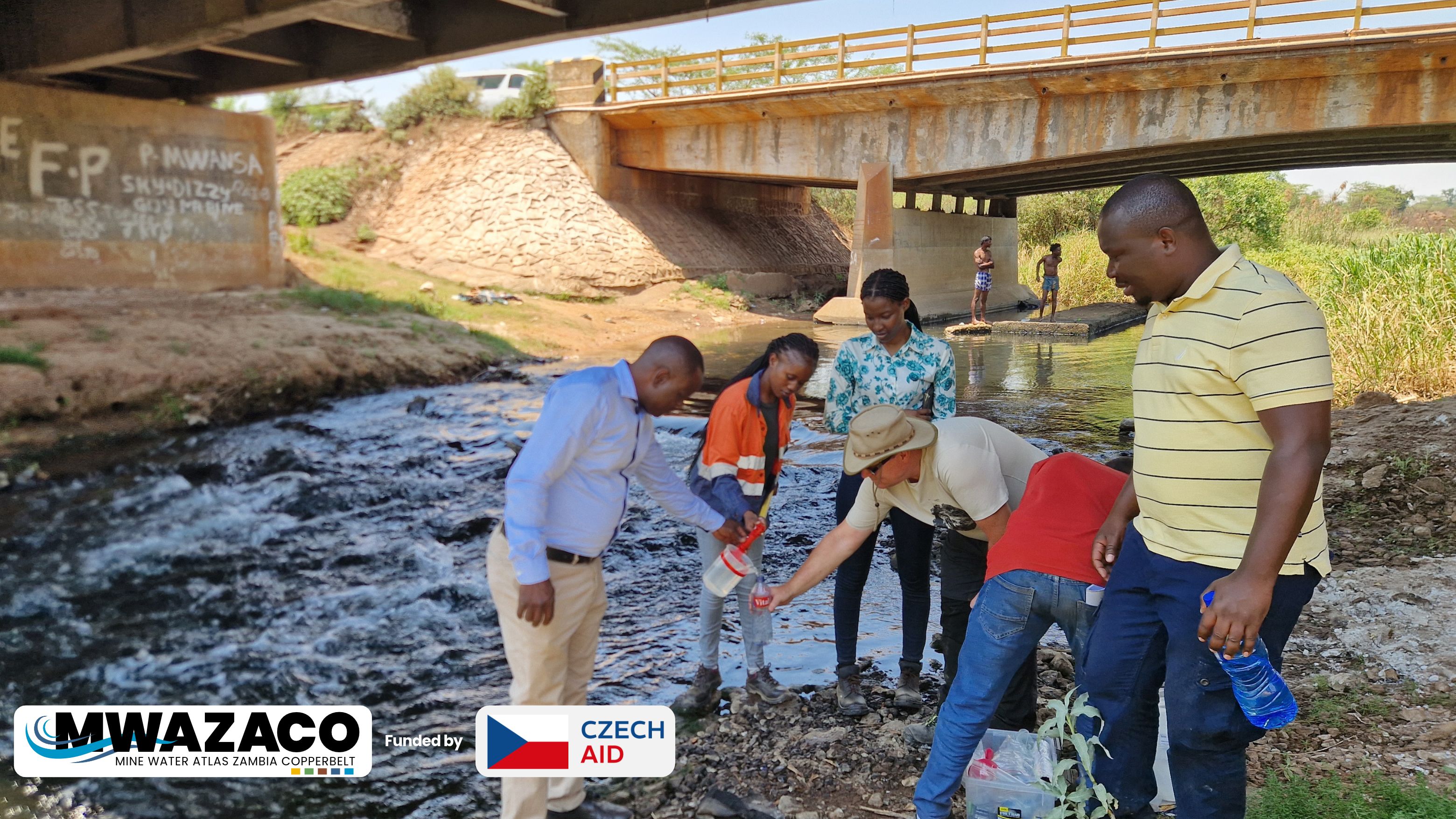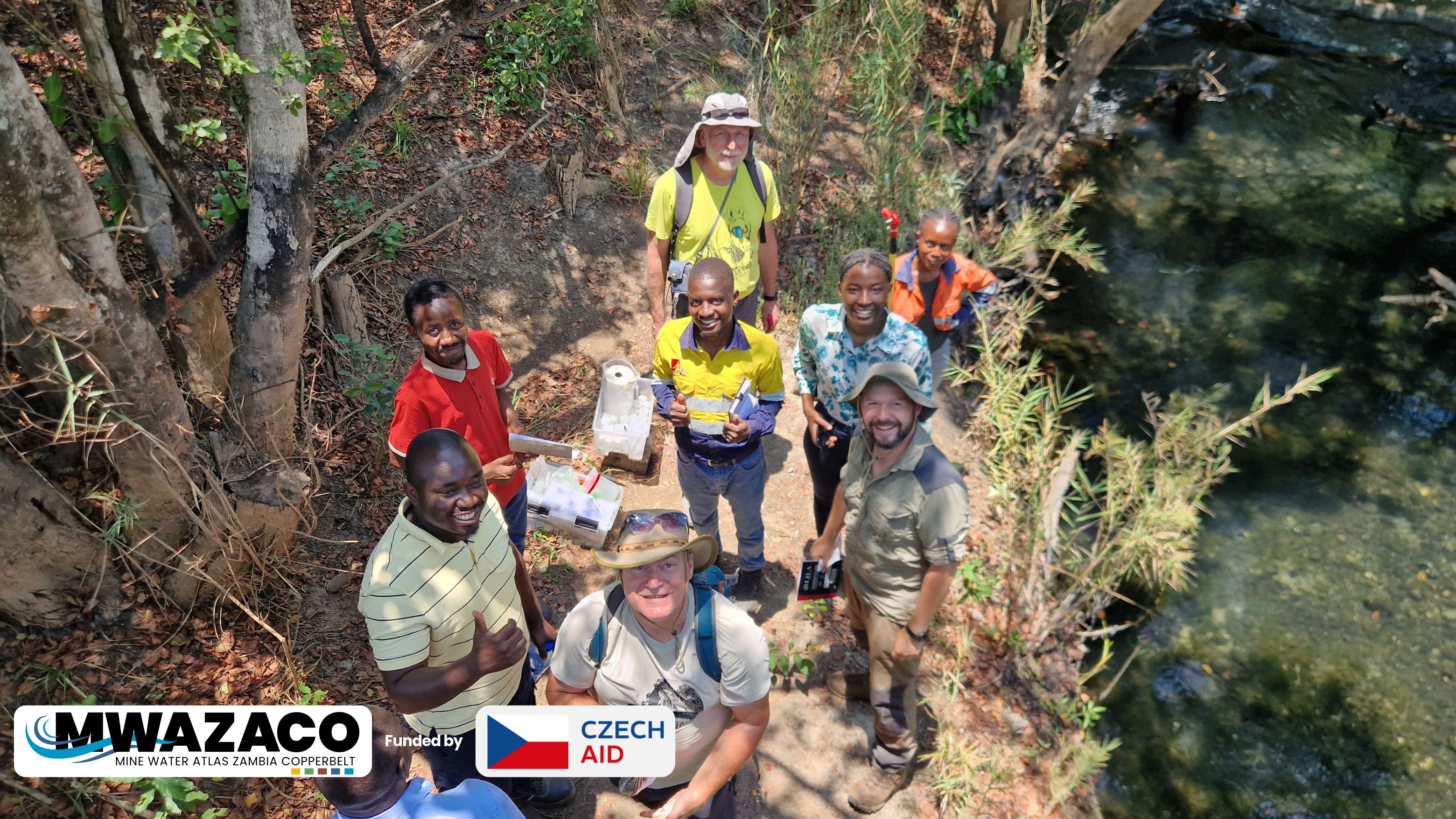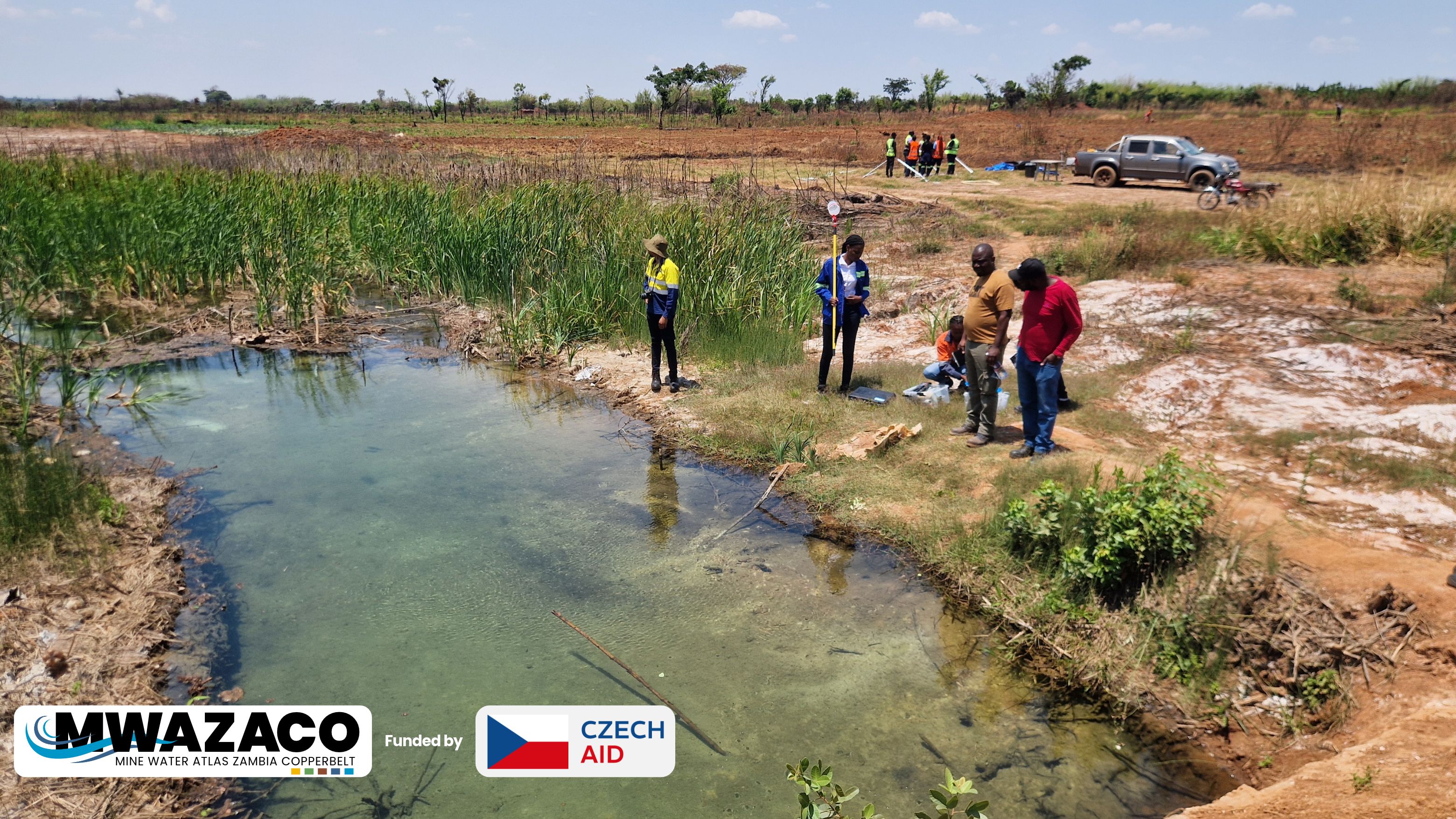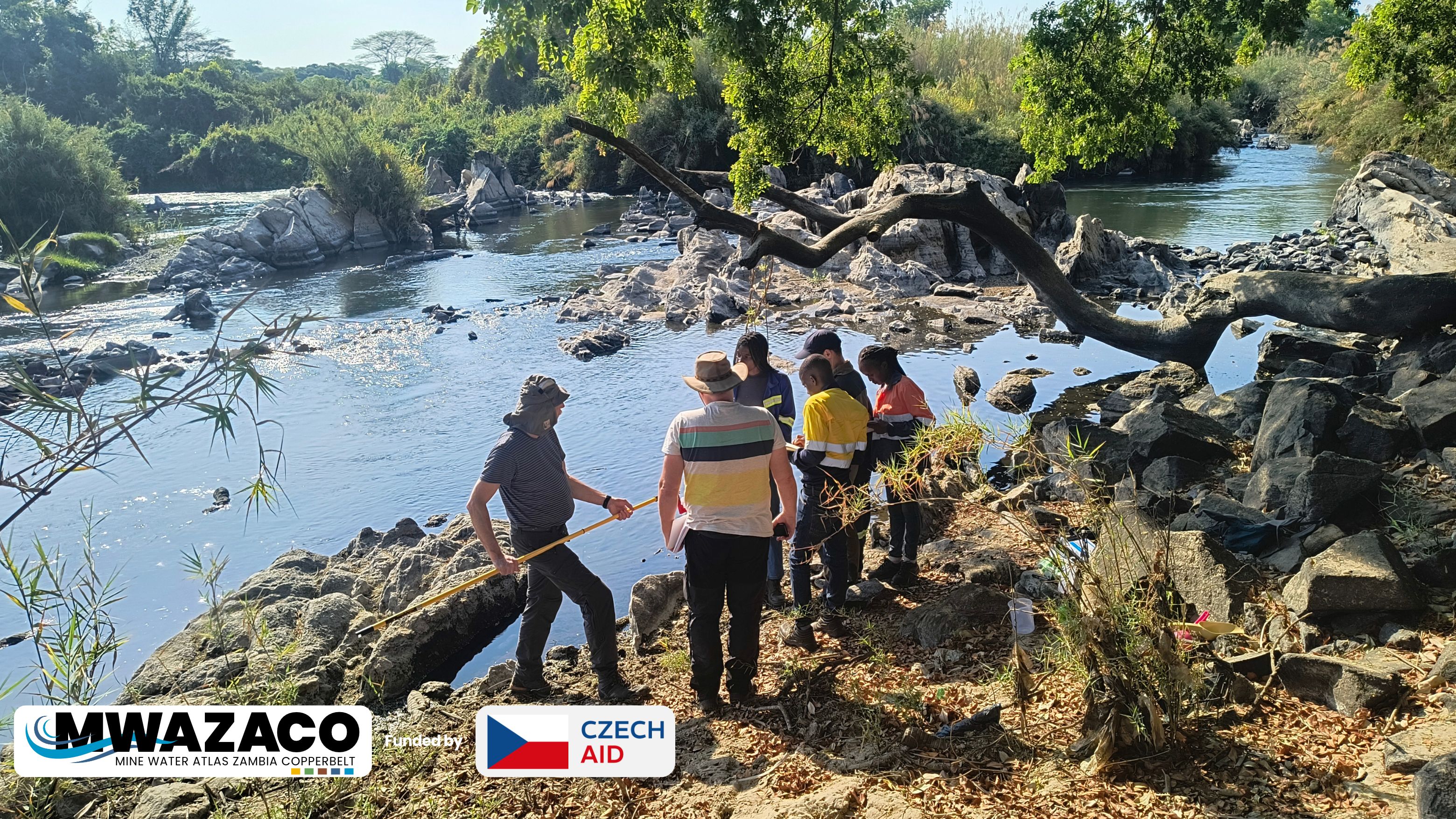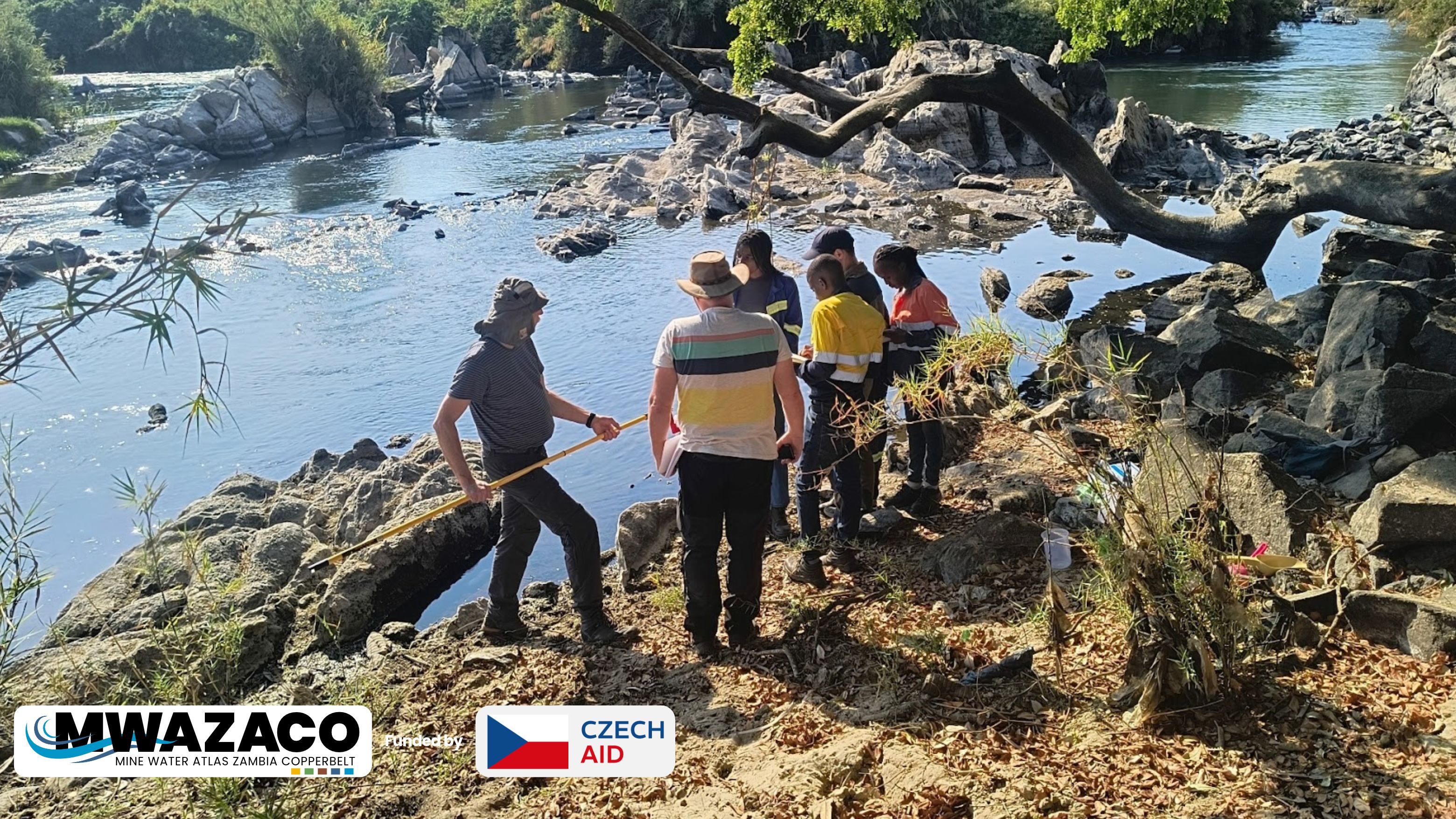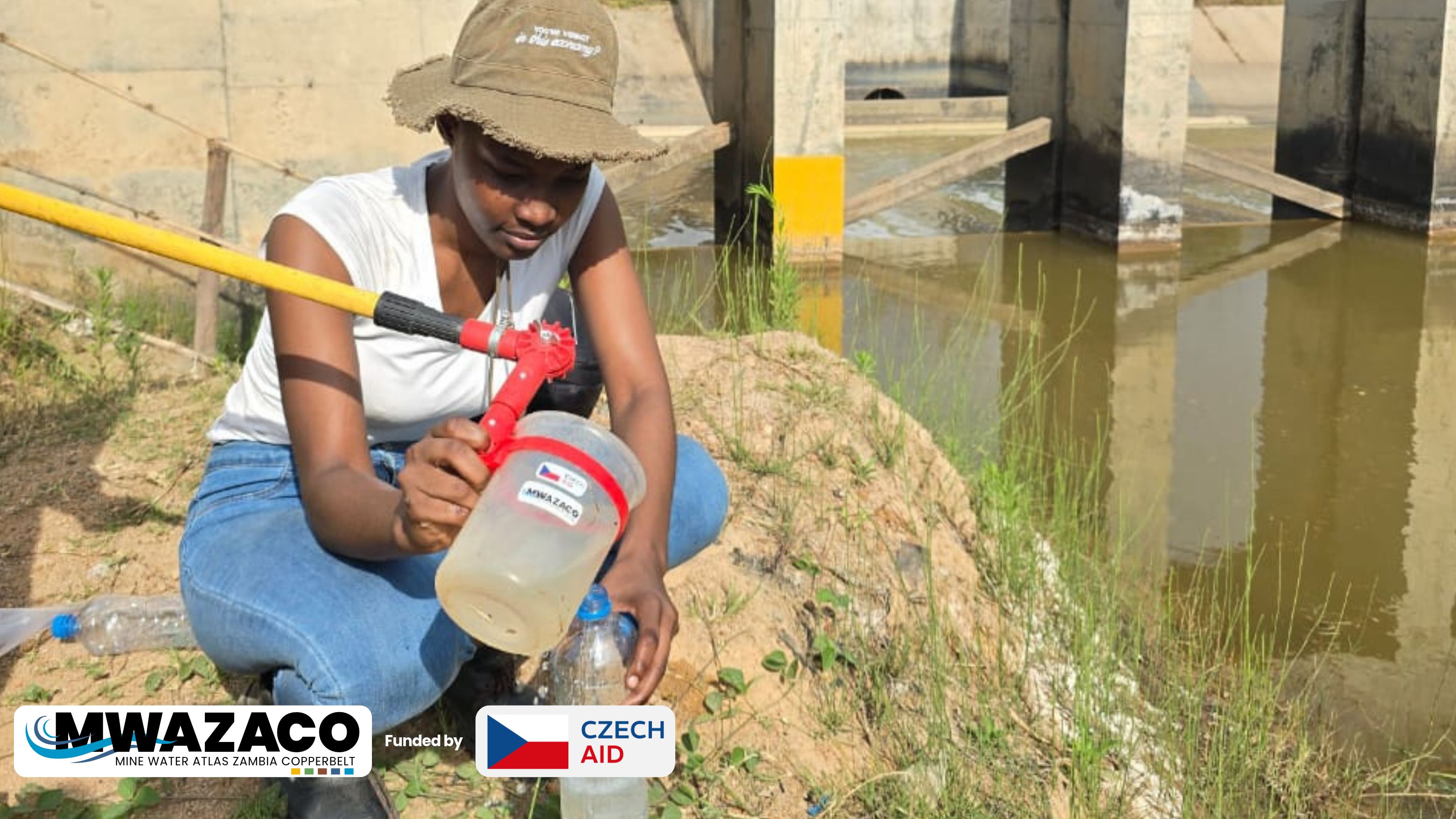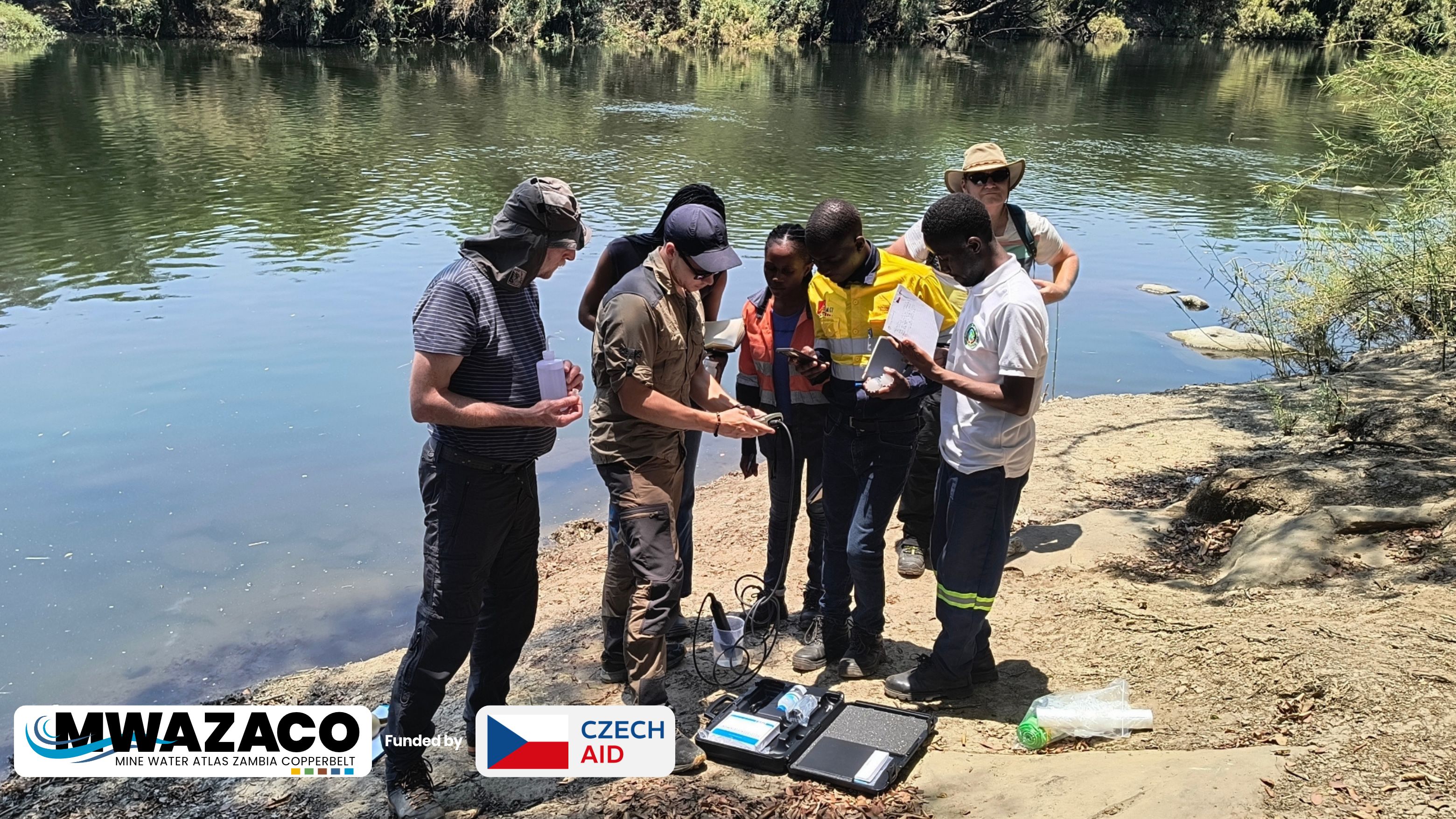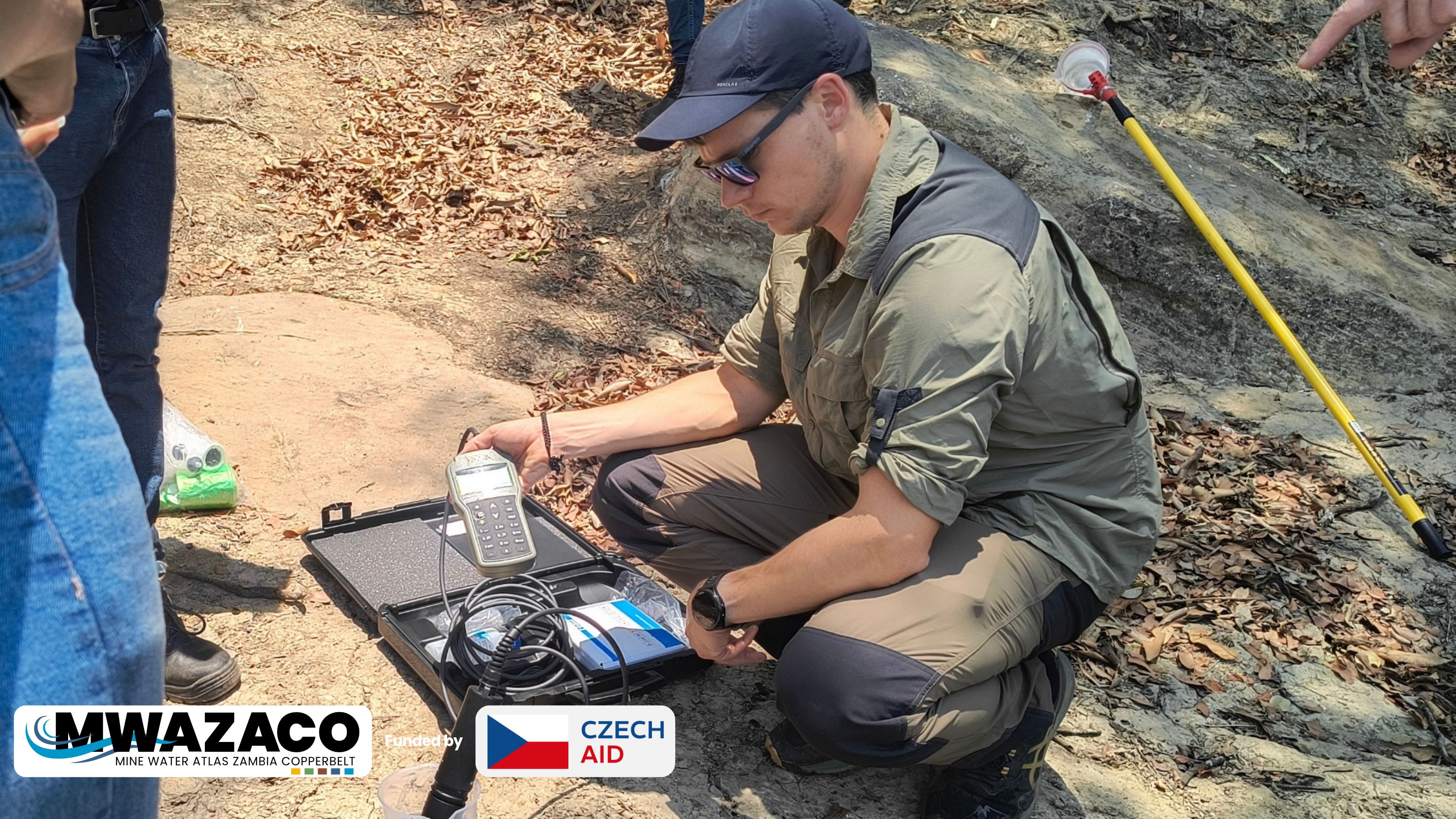

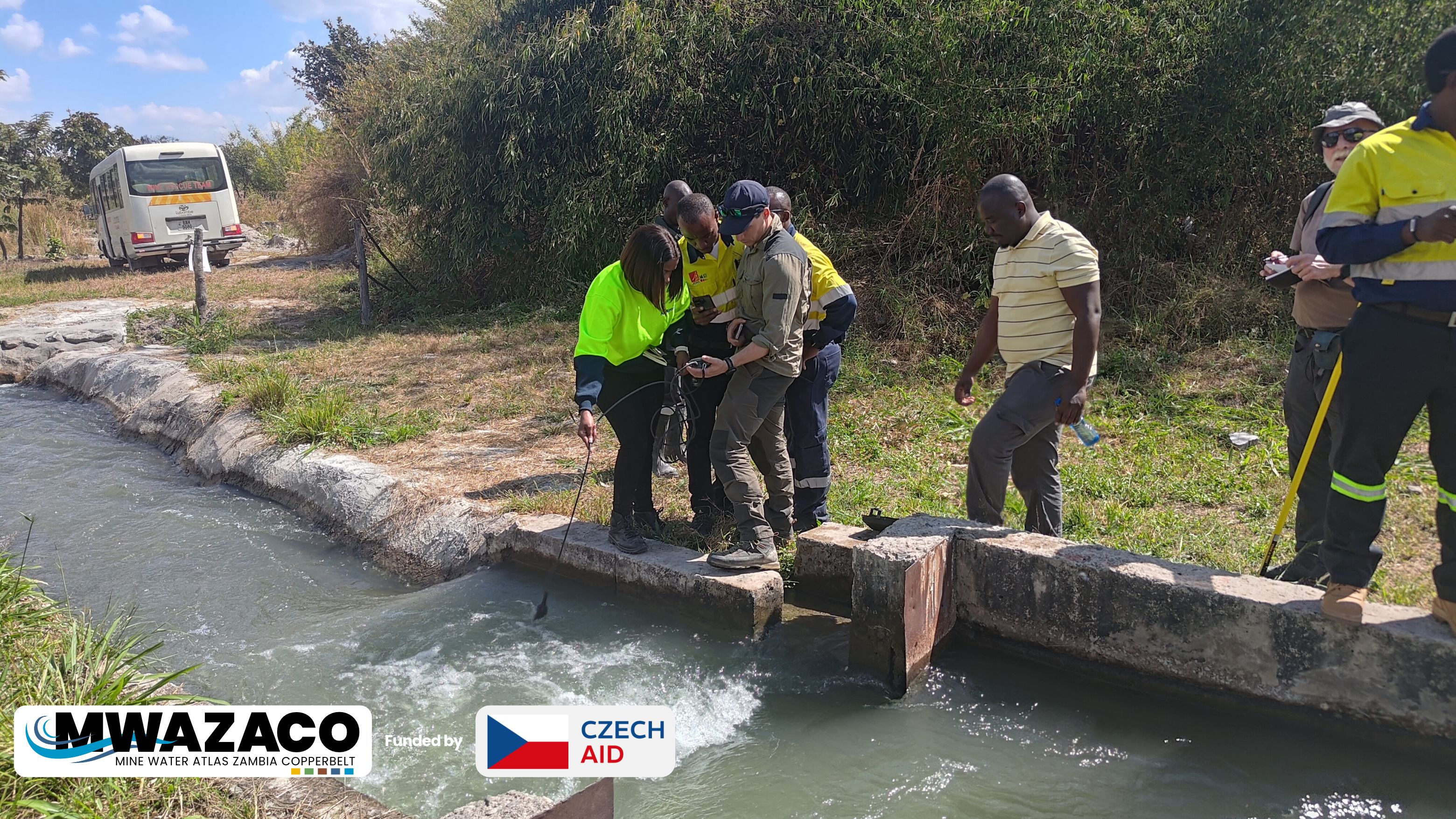
How can the impact of mining on water resources be reduced, and can contaminated water be safely reused? These are some of the questions addressed by the international Mine Water Atlas of the Zambian Copperbelt (MWAZACO) project, which involves the BioResources & Technology (BRT) research team from the Faculty of Tropical AgriSciences at CZU Prague. The project brings together environmental research, modern technologies and sustainable agriculture to help protect water resources in one of Zambia's most important mining regions.
Zambia's Copperbelt Province is known for its intensive copper and other mineral extraction. However, mining and metallurgical activities place considerable pressure on the local environment, particularly on water resources. Contamination threatens ecosystems and can affect the availability of safe water for local communities and agriculture.
Funded by the Czech Development Agency, the MWAZACO project (Mine Water Atlas of the Zambian Copperbelt) runs from 2025 to 2027. Its aim is to promote sustainable water management in the Copperbelt Province through mapping pollution sources, developing and testing mine water treatment technologies, and strengthening local technical and institutional capacities.
The project is implemented by Future Resources Development z.s. (FRDA) in cooperation with the Czech University of Life Sciences Prague (CZU Prague), Czech companies OPV s.r.o. and HYDRO-PUR s.r.o., and Zambian partners, including the Mines Safety Department and Copperbelt University.
A digital atlas to identify pollution hotspots
One of the project's main outputs will be the first digital Mine Water Atlas for Zambia's Copperbelt region. This publicly accessible online platform will integrate geographical, environmental and hydrogeological data to identify pollution sources, contamination hotspots and potential locations for mine water treatment and reuse. The assessment will draw on field data, satellite imagery and risk modelling.
However, the project goes beyond mapping and analysing the situation. It also includes the construction of a pilot mine water treatment facility and an integrated demonstration farm. The farm will provide an opportunity to test potential applications of treated water in practice, including irrigation, aquaculture and integrated farming systems. An important part of the pilot activities will be to assess the safety of treated water and determine the conditions under which it can be used for different purposes.
Research that delivers practical solutions
CZU Prague is involved in the project through its BioResources & Technology (BRT) research team, based at the Faculty of Tropical AgriSciences. The team is led by Assoc. Prof. Hynek Roubík, Ph.D., Dean of FTZ and Director of BRT. Project coordination and implementation is also supported by Ing. Jan Staš, Ph.D., BRT Project Manager.
The team's experts are directly involved in preparing pilot solutions in Zambia. The focus is not only on water treatment technology itself, but also on ensuring its long-term operational and economic sustainability.
Combining water treatment with aquaculture and integrated farming systems is another important aspect of the project. It demonstrates how environmental protection can also create new opportunities for sustainable food production and local community development.
Working with Zambian institutions and building for the future
Strengthening local technical and institutional capacities is another important part of the project. A Centre of Excellence has already been established in cooperation with Copperbelt University to support research, professional training, data analysis and knowledge-sharing in mine water management. The project also includes training activities, workshops and initiatives aimed at raising public awareness and encouraging community engagement.
Another important outcome will be the publicly accessible digital atlas, which is intended to help Zambian institutions make better-informed decisions about protecting water resources and planning appropriate measures.
“We want Zambian institutions to be able to use the project's results long after it has ended. The public atlas will help them identify where mining poses the greatest threat to water resources and where monitoring or water protection measures should be prioritised. Together with our Zambian partners in the Copperbelt, we are testing approaches that could provide a foundation for mapping and managing mine water in other mining regions of Zambia in the future,” says Michal Žák from Future Resources Development Association (FRDA).
MWAZACO represents the pilot stage of a broader initiative to establish a Mine Water Atlas of Zambia (MWAZA), which is intended to cover all major mining regions across the country. The experience, data and tested solutions gained in the Copperbelt Province could therefore provide the foundation for a nationwide system for monitoring, managing and reusing water affected by mining activities.
The project demonstrates how international cooperation can bring together research, technological innovation and the needs of local communities. For FTZ researchers, it is also an opportunity to apply their expertise in sustainable agricultural systems and food security to addressing one of Zambia's significant environmental challenges.
Find out more: