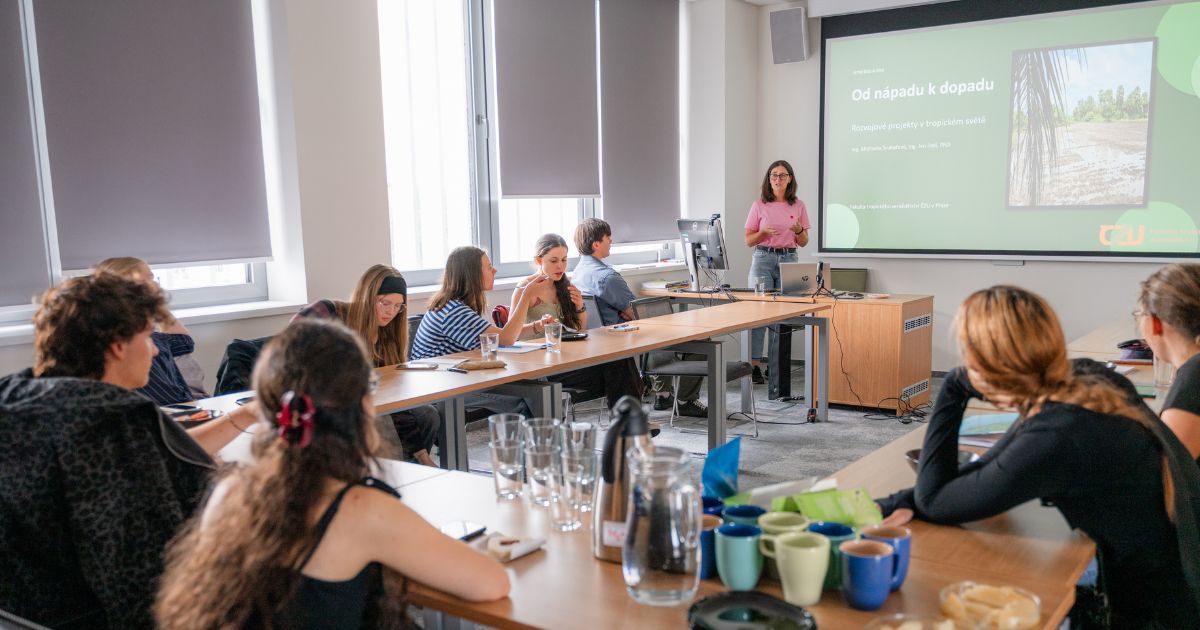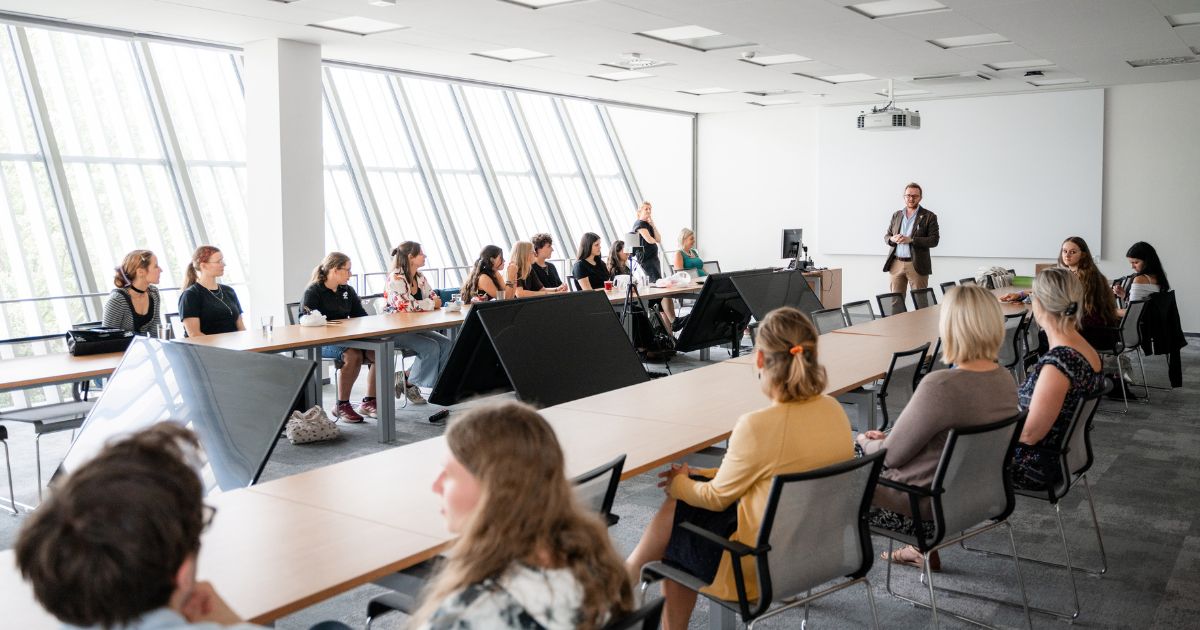

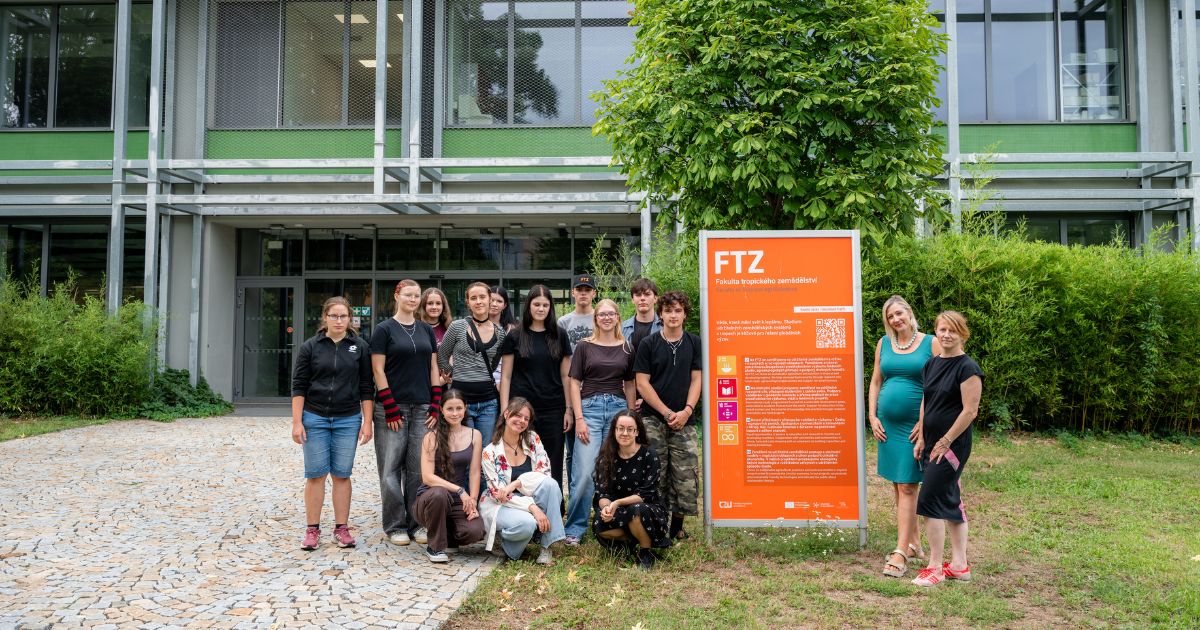
From 17 to 20 August, the Faculty of Tropical AgriSciences (FTZ) at the Czech University of Life Sciences Prague (CZU Prague) hosted the first edition of its Summer School, “Discover the Tropics: Science That Changes the World.” Over the course of four days, participants had the opportunity to get to know FTZ from the inside, explore the activities and projects of our experts, and, most importantly, try many things out for themselves.
The programme combined lectures, practical workshops, field trips and informal activities. Participants explored topics ranging from tropical agriculture, nature conservation and sustainability to international development and modern technologies. They visited the research facility in Lány, the FTZ Herbarium and Botanical Garden, and had the opportunity to look behind the scenes in our laboratories.
The programme was delivered bilingually, in both Czech and English, and participants handled lectures and workshops led by our international experts very well. The Summer School therefore offered not only an opportunity to explore a wide range of topics related to tropical agriculture and international development, but also a chance to experience communication in an international academic environment.
Fairtrade, Artificial Intelligence and Regenerative Agriculture
On the first day, participants followed the journey of coffee, cocoa and bananas and explored the principles of Fairtrade in practice through an interactive session. They also tried out practical applications of artificial intelligence and vibecoding and explored topics including migration, international development and regenerative agriculture.
The first day ended around the campfire, with informal discussions about the tropical world and studying at FTZ.
Exploring Exotic Animals and Plants
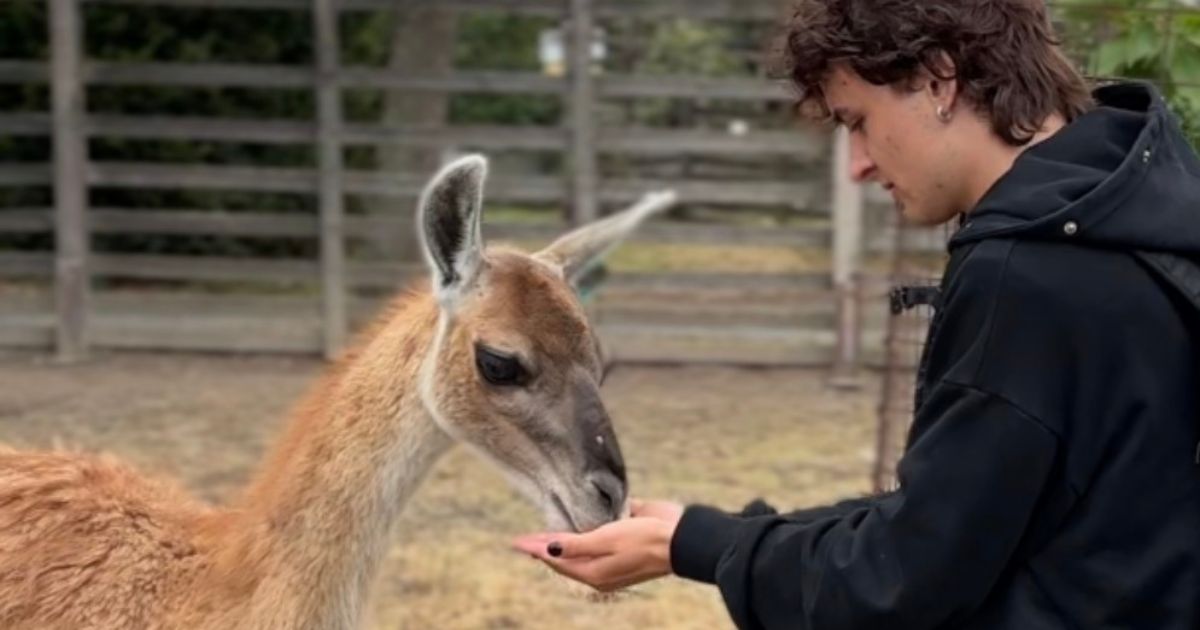
Tuesday’s programme took participants beyond the CZU campus. During a visit to the research facility in Lány, they learned more about the keeping and research of exotic ungulates, including eland antelopes and guanacos.
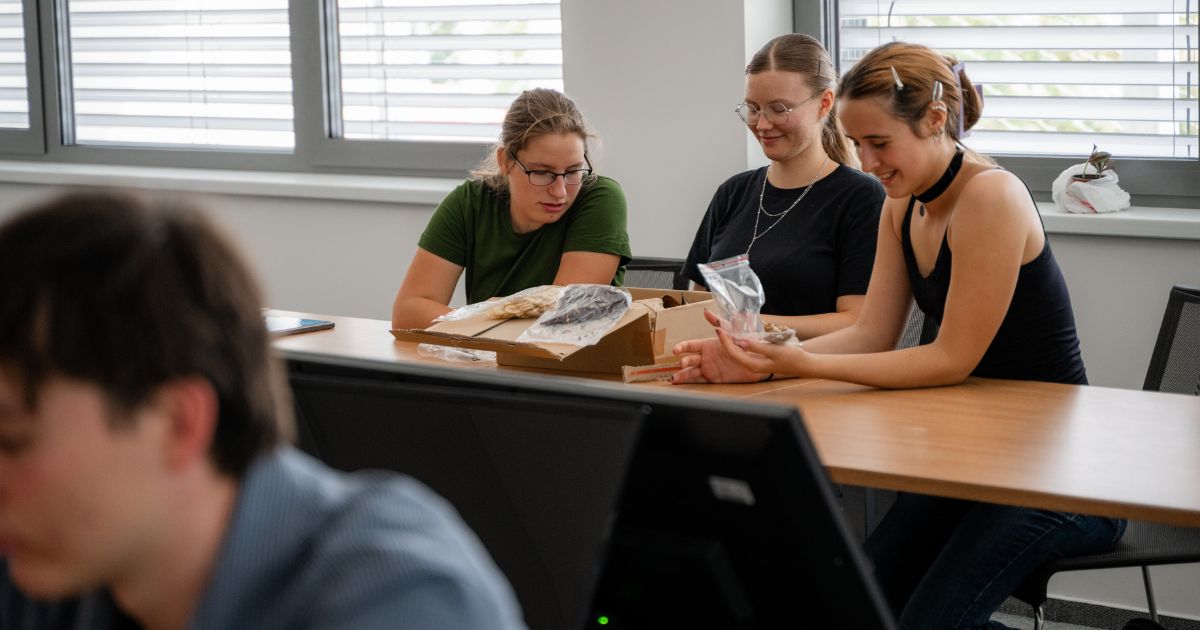
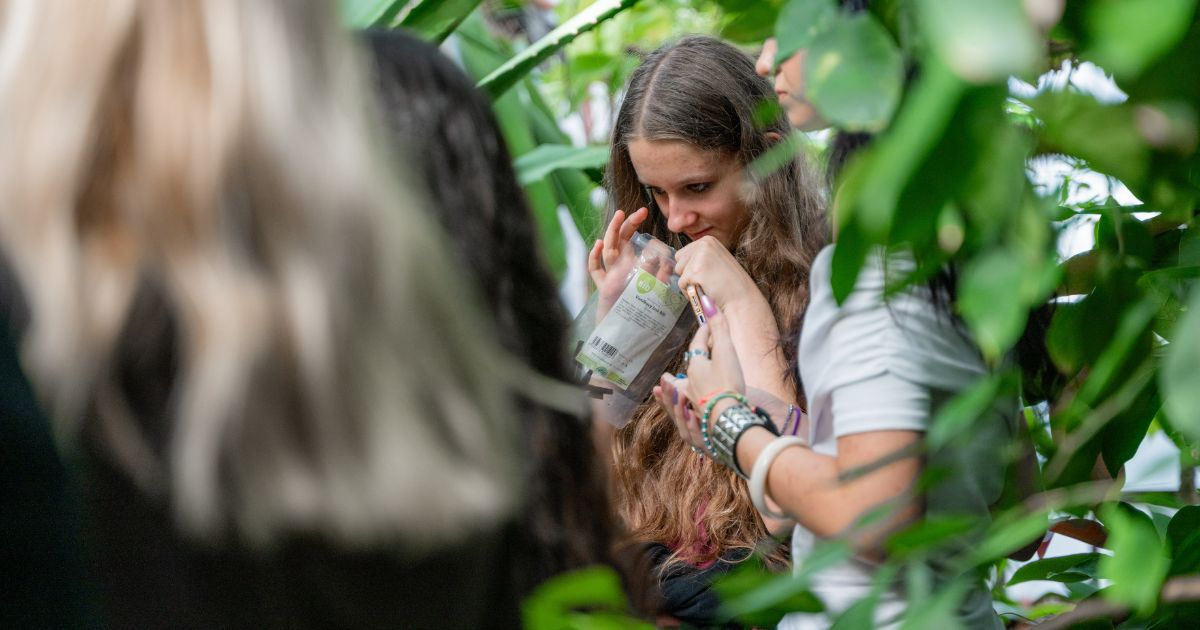
Back at the faculty, they visited the Herbarium and discovered the secrets of preserved plants. The afternoon focused on agroforestry and smart agriculture in the face of climate change. The day concluded with a demonstration involving tropical fruits and tea extracts, including a tasting session.
Sustainability in Practice
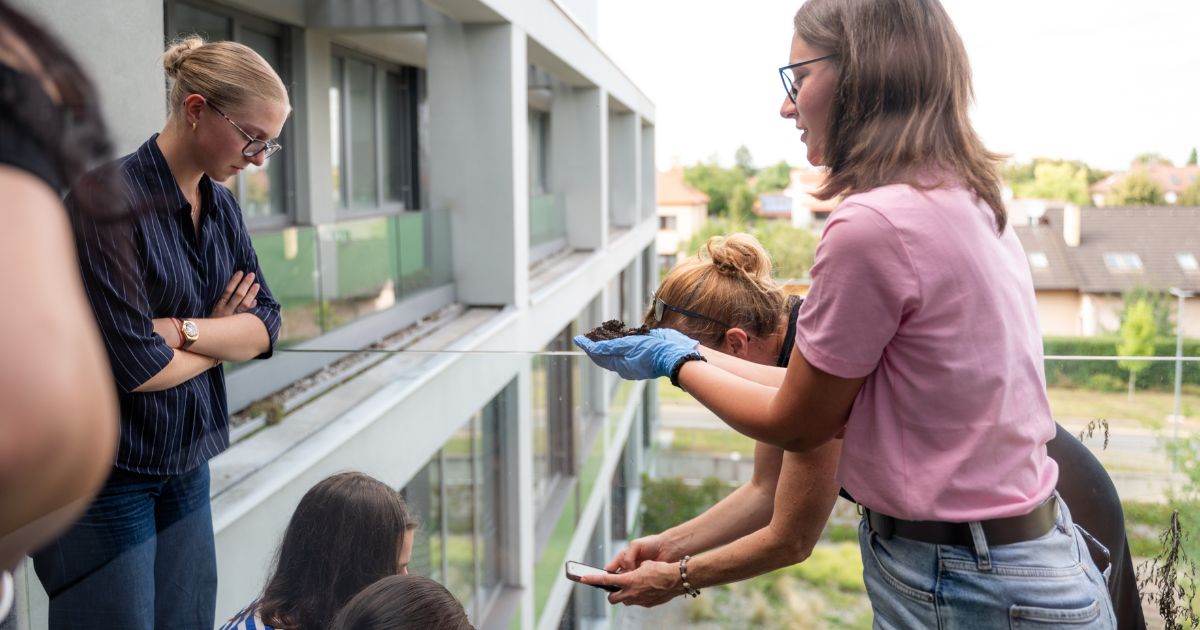
Wednesday focused primarily on practical aspects of sustainability. Participants tried solar drying and sensory analysis, explored how waste can be used to produce energy through biogas and anaerobic digestion, and learned how composting can contribute to a circular economy.
The afternoon focused on development projects in the tropical world and included a case study from Ghana demonstrating how waste can be used to generate energy.
The Tropics at Your Fingertips
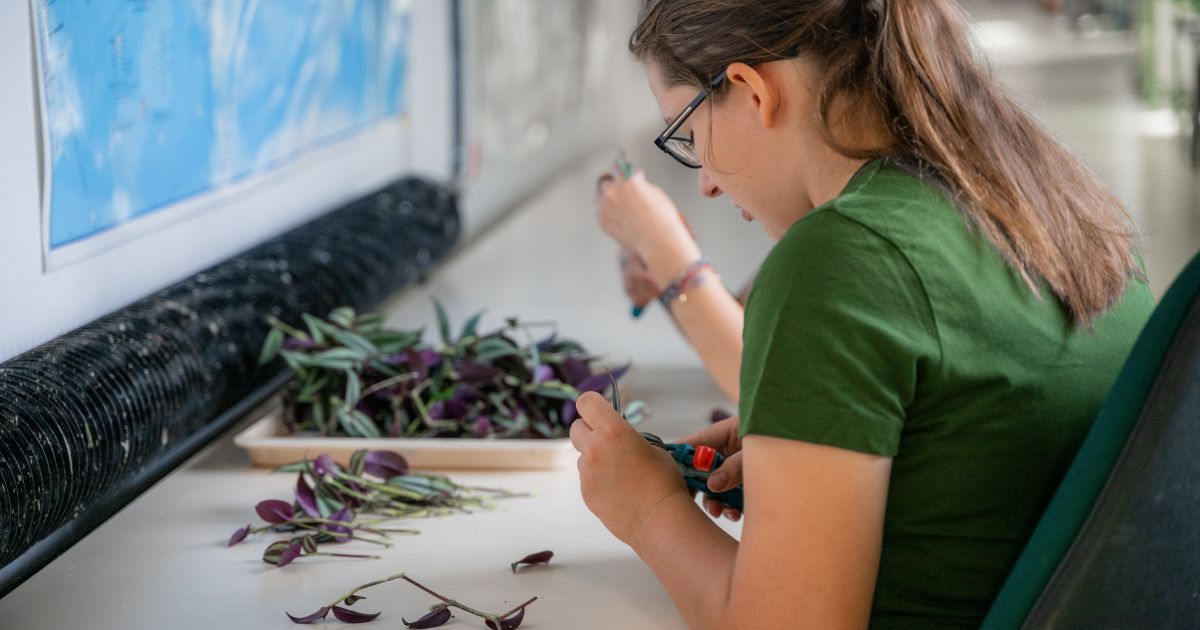
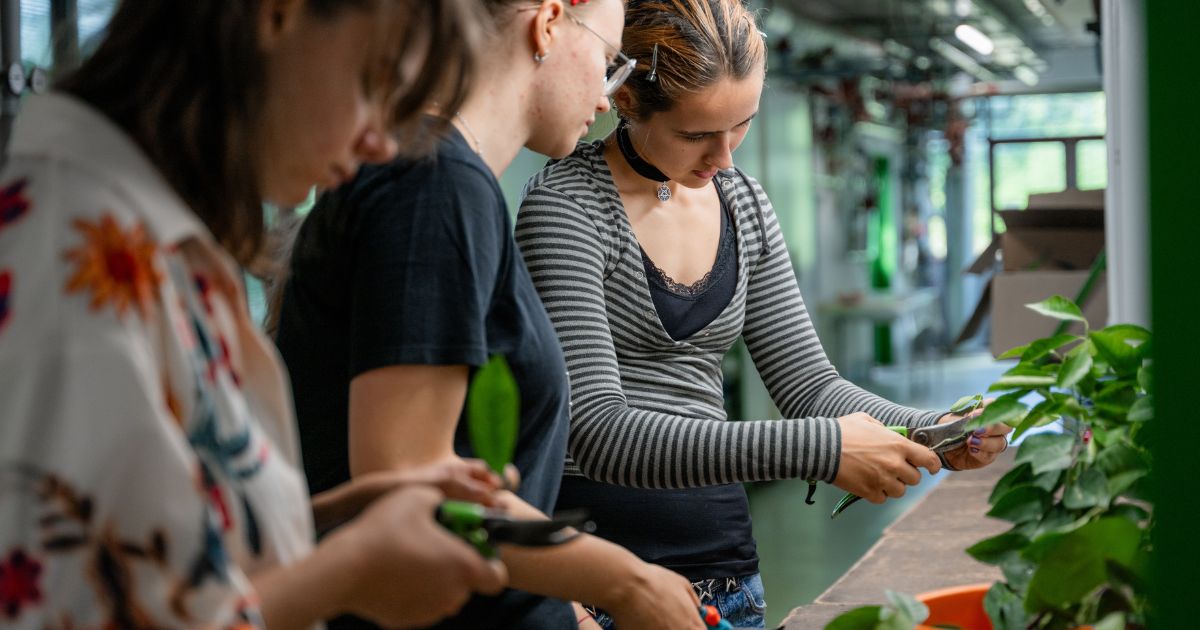
The final day included a visit to the FTZ Botanical Garden, where participants explored tropical plants and tried their hand at vegetative propagation during a practical workshop.
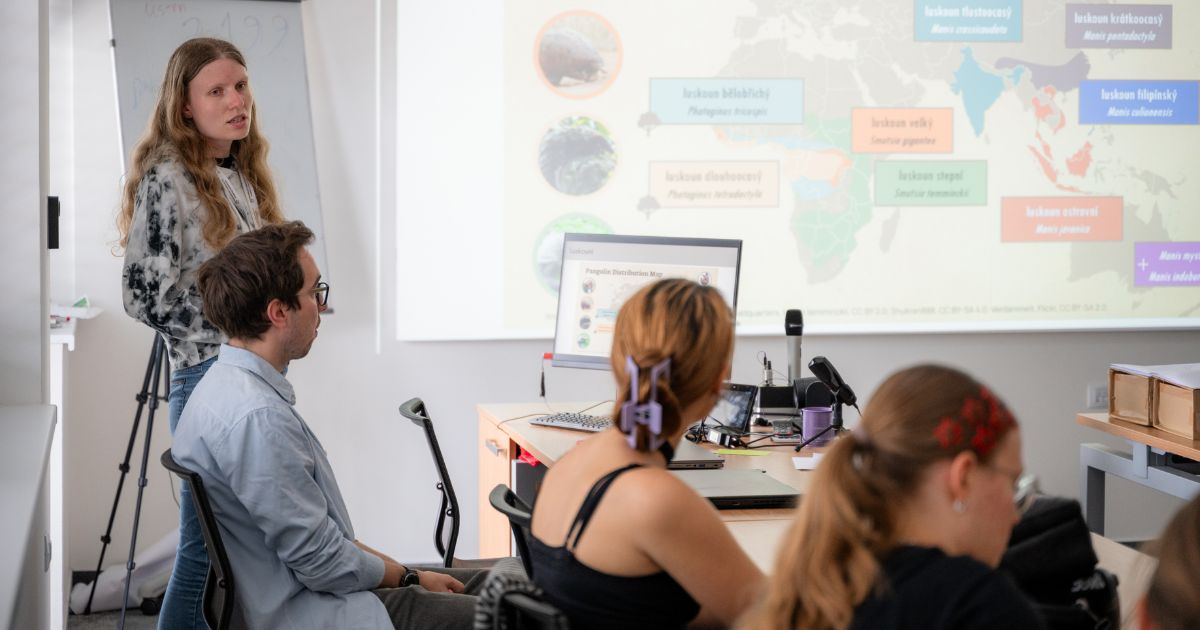
They then moved to the laboratory to learn more about the issue of illegal pangolin trafficking. Participants discovered how genetic methods can help detect and combat illegal wildlife trade. The final session focused on the conservation of large African mammals and on identifying individual Derby’s elands based on their characteristic stripe patterns.
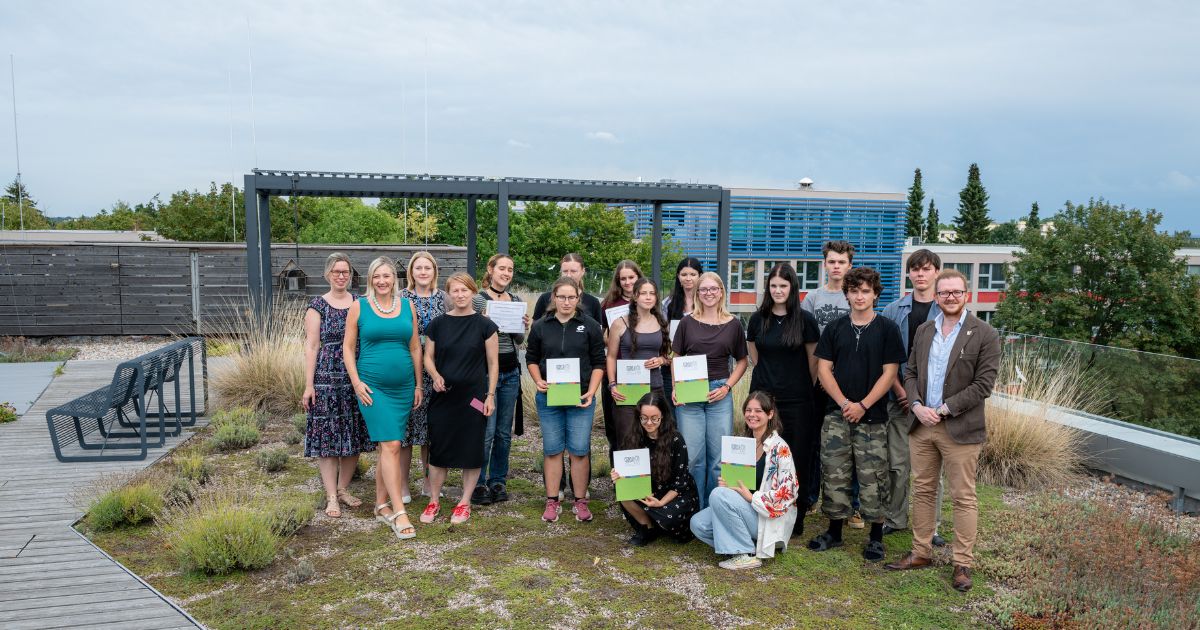
Four days of lectures, experiments, field trips and shared experiences concluded with the presentation of certificates.
The first FTZ Summer School showed that the tropical world can be explored from many different perspectives – from agriculture and nature to science and technology, international development and sustainability.
Thank you to all the participants and FTZ colleagues who contributed to the programme. We look forward to seeing you again at the next edition!