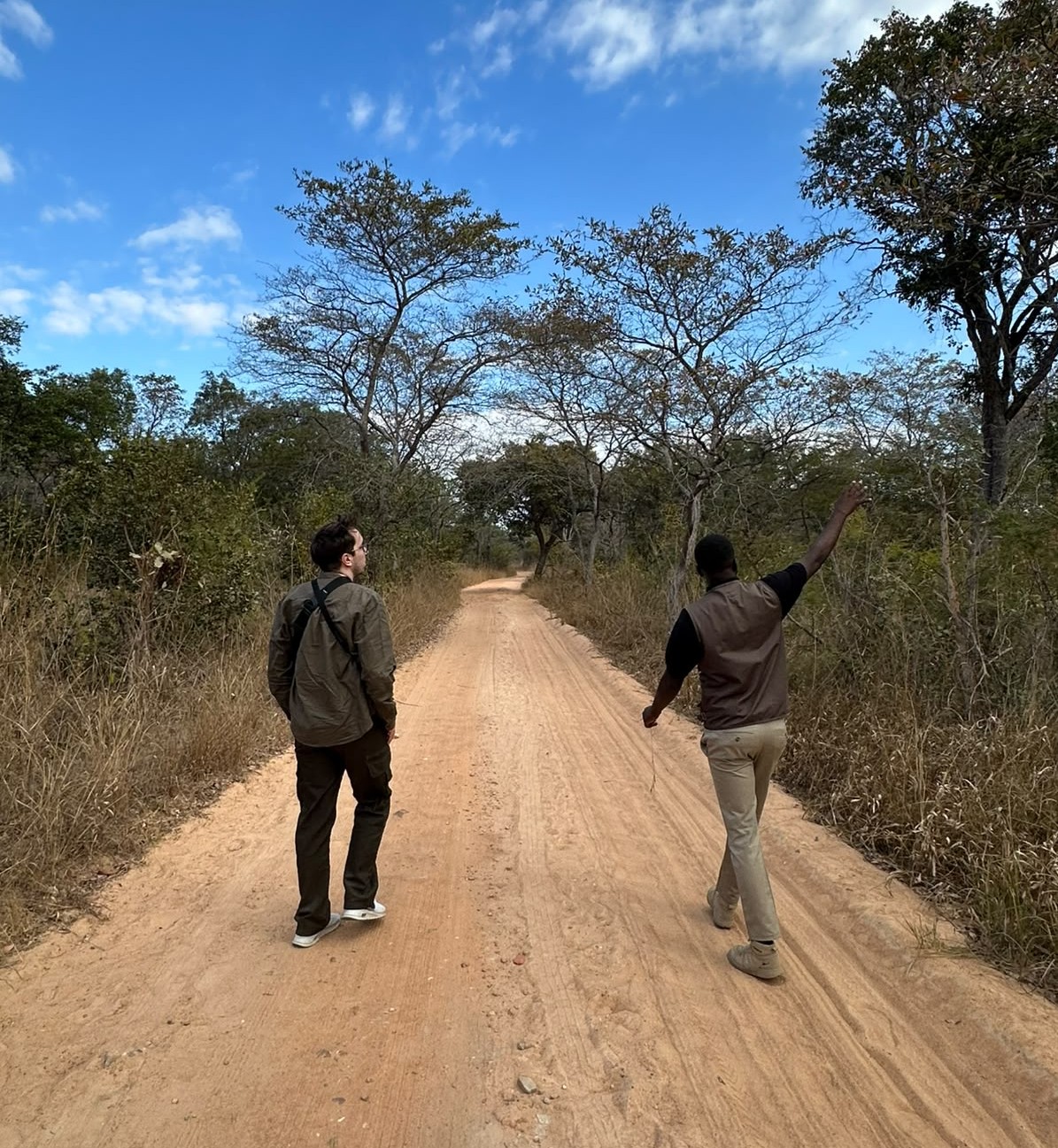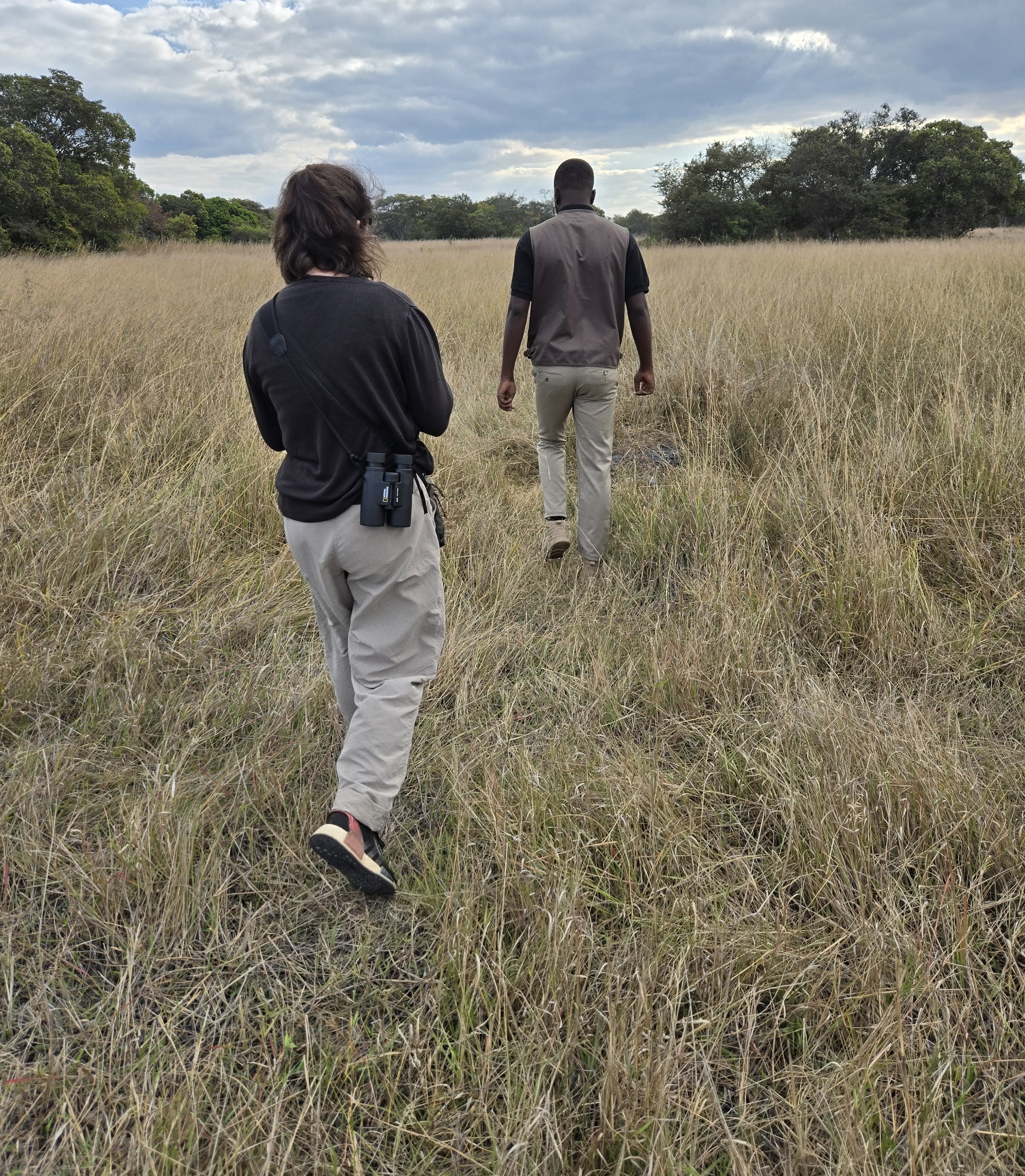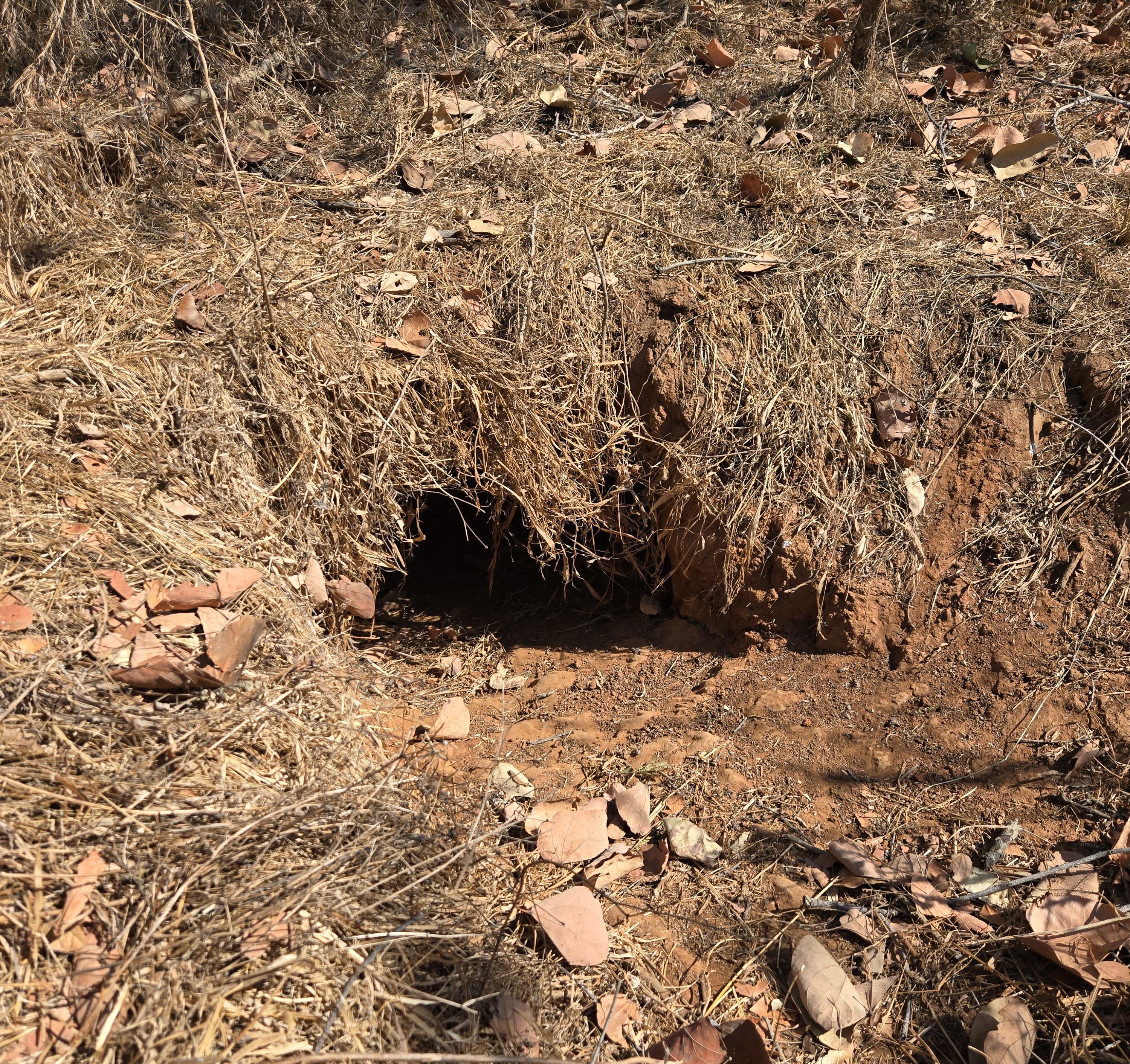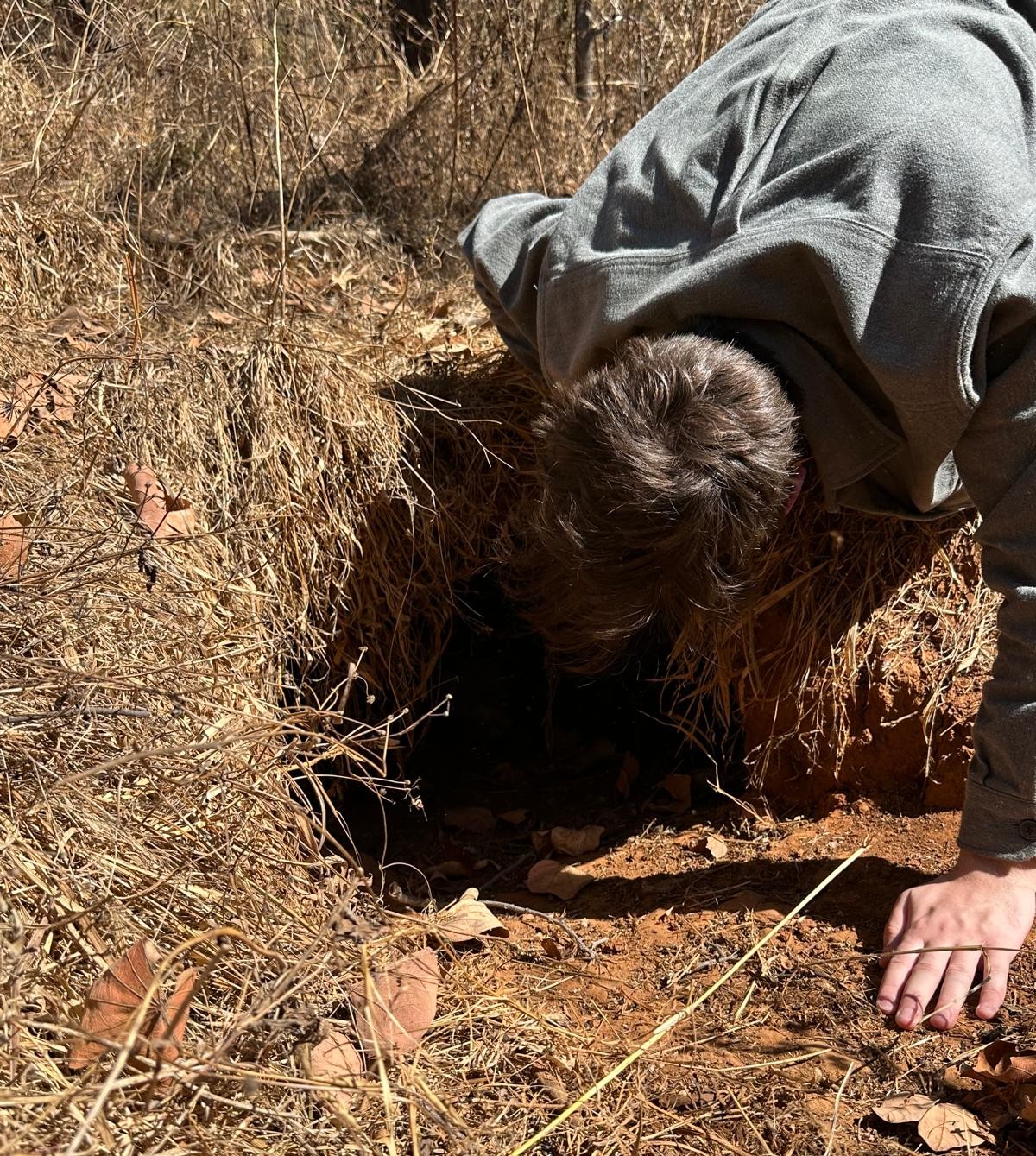

In July, a research stay focusing on pangolin research and conservation took place in Zambia. Miroslav Mulko, Linda Babiánková and Lombe Faith Lupupa from the Faculty of Tropical AgriSciences (FTZ), Czech University of Life Sciences Prague (CZU Prague) took part in the research activities. During their stay, they collected biological samples from pangolins and processed them in the laboratory. The research could contribute to better identification of the origin of pangolins and their parts seized from illegal wildlife trade, ultimately supporting more effective conservation of these threatened mammals.
Genetic data can help trace the origin of trafficked pangolins
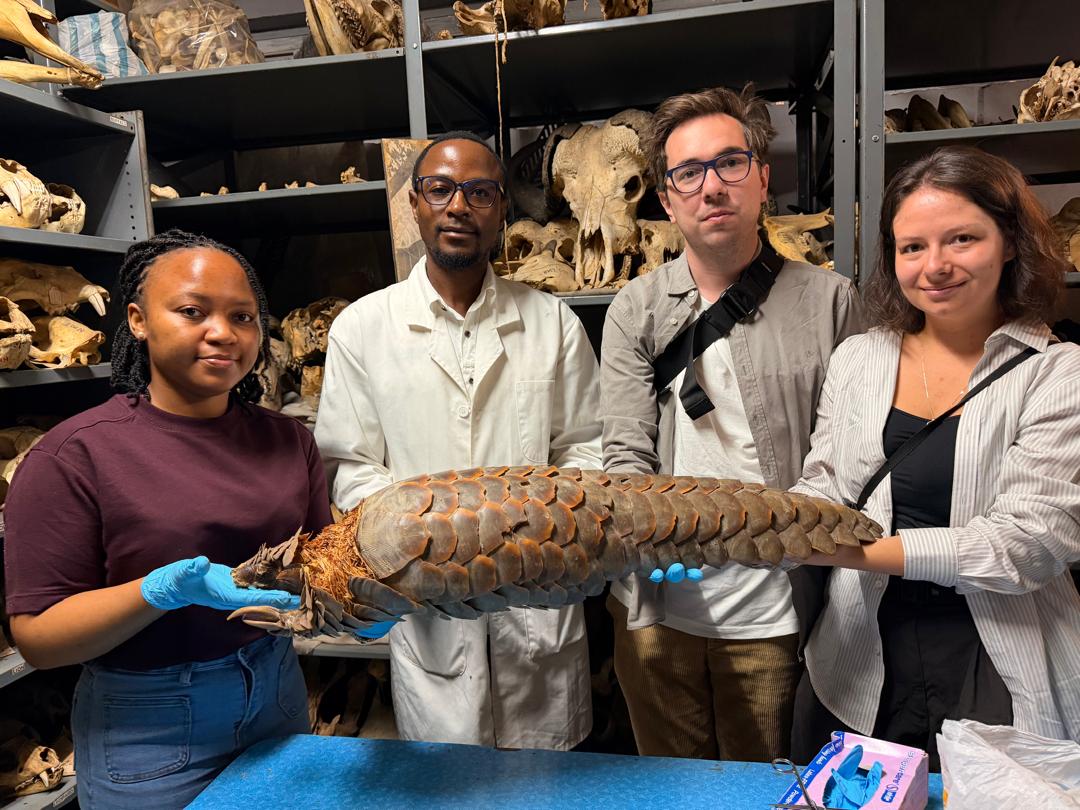
The research in Zambia forms part of broader activities focused on using genetic methods for pangolin conservation and combating illegal wildlife trade. One of the main objectives was to obtain biological samples from Zambia, where reference genetic data on pangolins had previously been lacking.
Gradually building a genetic database of samples with known geographic origins could help determine where pangolins or their parts seized from illegal trade come from. This information could contribute to identifying areas under high poaching pressure and help conservation efforts target these areas more effectively.
From sample collection to laboratory processing
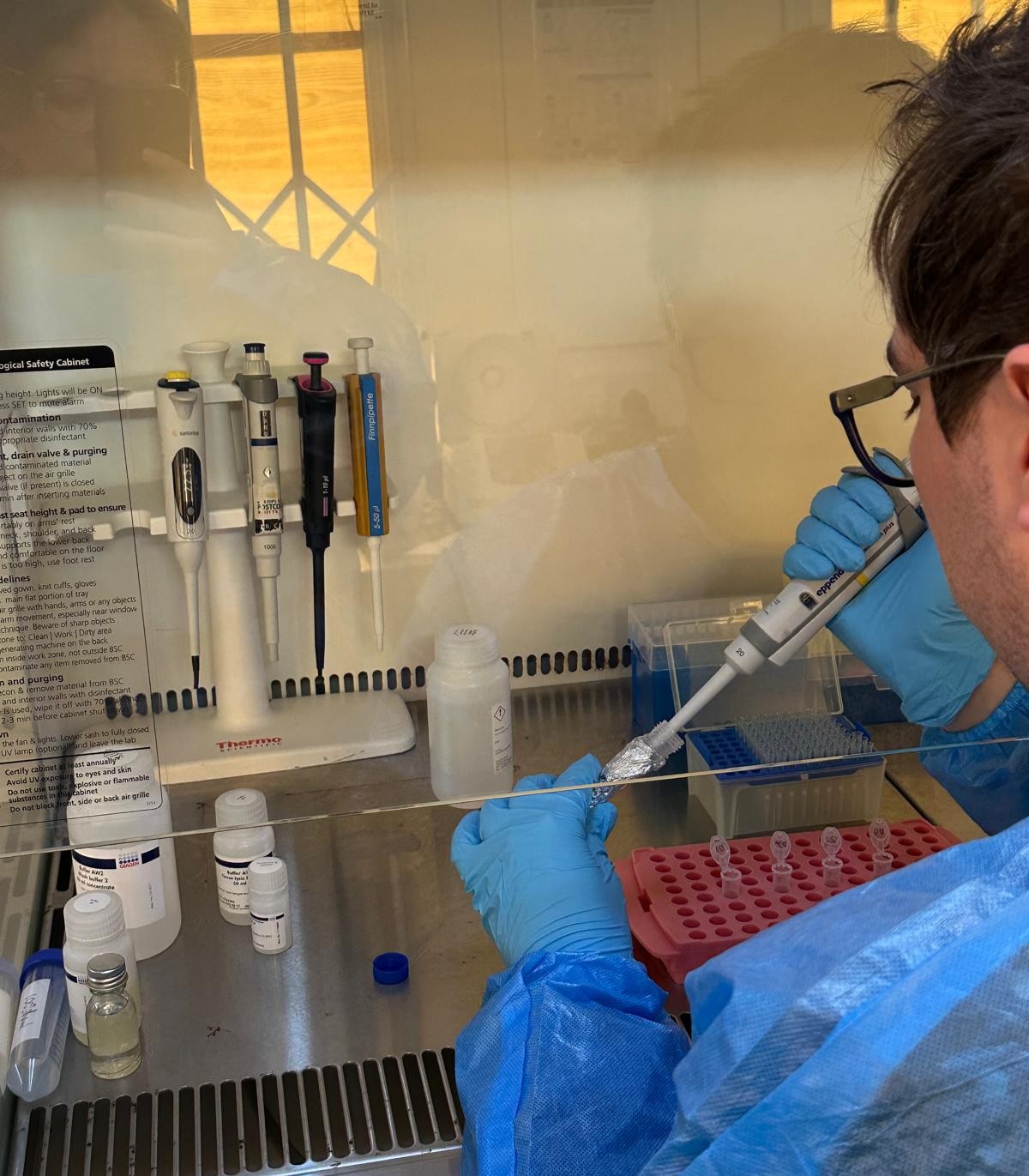
During their stay, the research team focused on collecting biological samples from pangolins, processing them in the laboratory and collaborating with local experts.
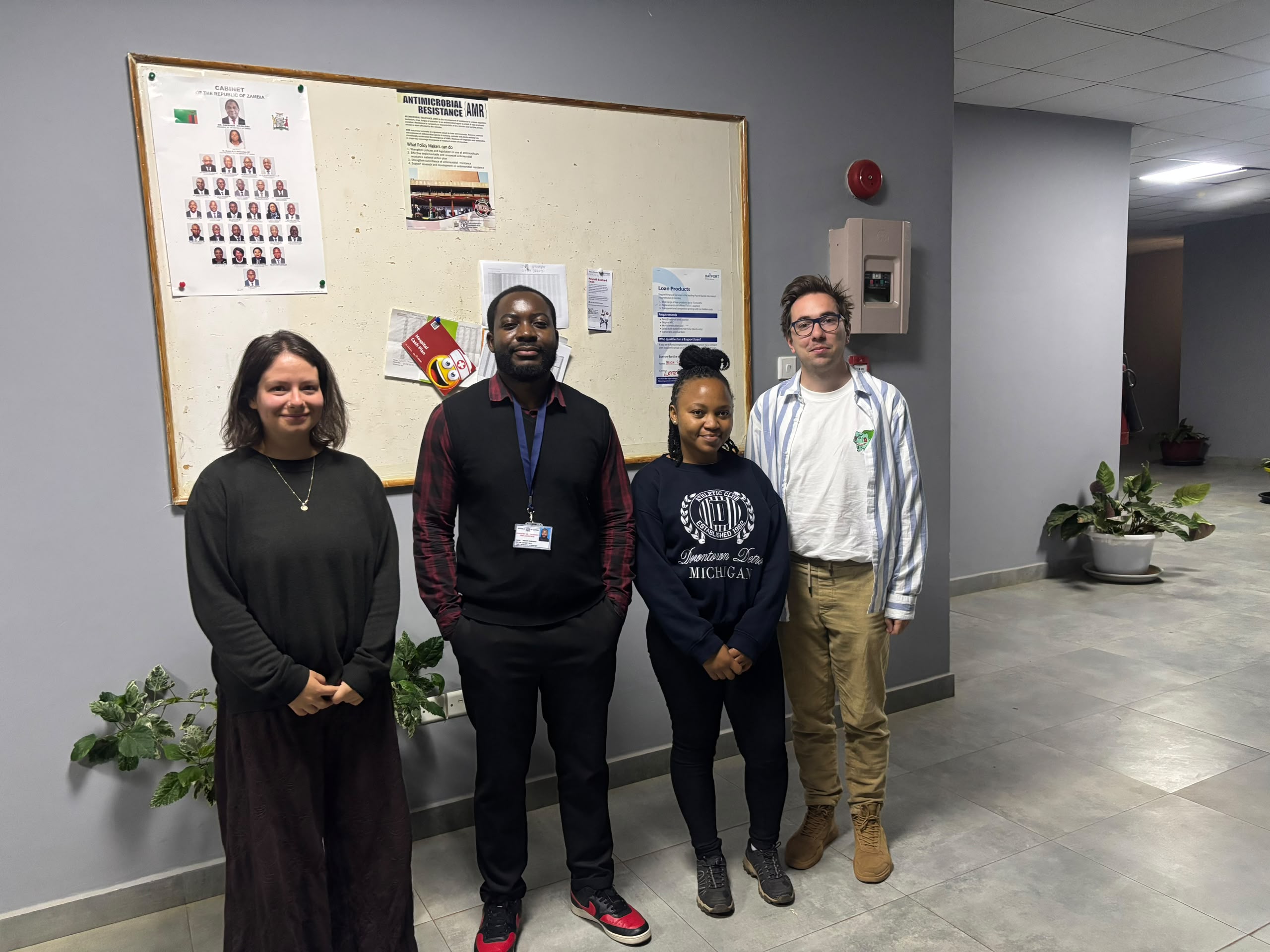
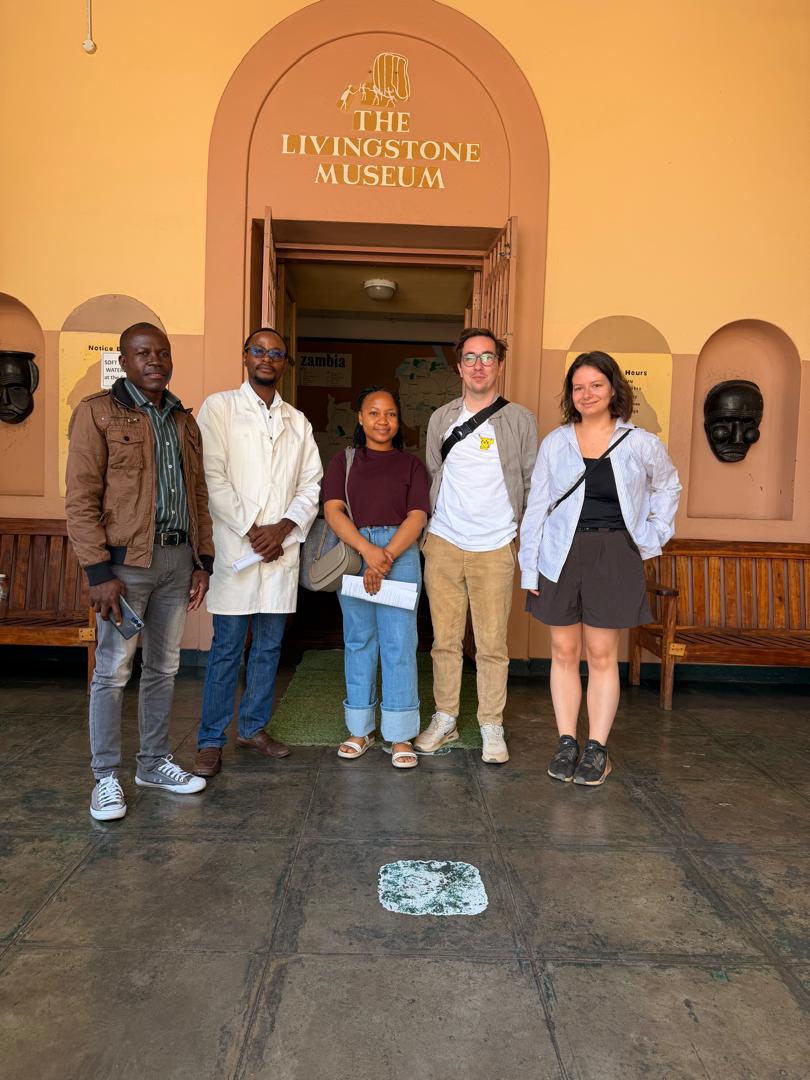
The research activities were carried out in cooperation with the University of Zambia, Central Veterinary Research Institute, Wildlife Crime Prevention, Department of National Parks and Wildlife, and Livingstone Museum. The stay therefore combined research directly in Zambia with strengthening cooperation with local institutions and laid the groundwork for further joint research focused on pangolin conservation.
Miroslav Mulko is based at the Department of Wildlife and Animal Sciences at FTZ and is a member of the MEGERA (Molecular Ecology, Genetics and Evolutionary Research of Animals) research team, which uses genetic tools to study various aspects of animal biology and seeks to apply its findings in conservation practice. Lombe Faith Lupupa is a Master’s student in the Wildlife and Livestock Production, Management and Conservation programme at FTZ, while Linda Babiánková is a recent graduate of a Master’s programme at FTZ.
Miroslav Mulko’s research stay in Zambia was supported by the Erasmus+ programme. The research demonstrates how FTZ students and graduates engage in international activities that connect scientific research, cooperation with local partners and practical conservation of threatened species.