
How can agriculture thrive in a country facing water scarcity, the impacts of climate change, and a major economic transformation? What role can agricultural cooperatives and new legislation play in this process?
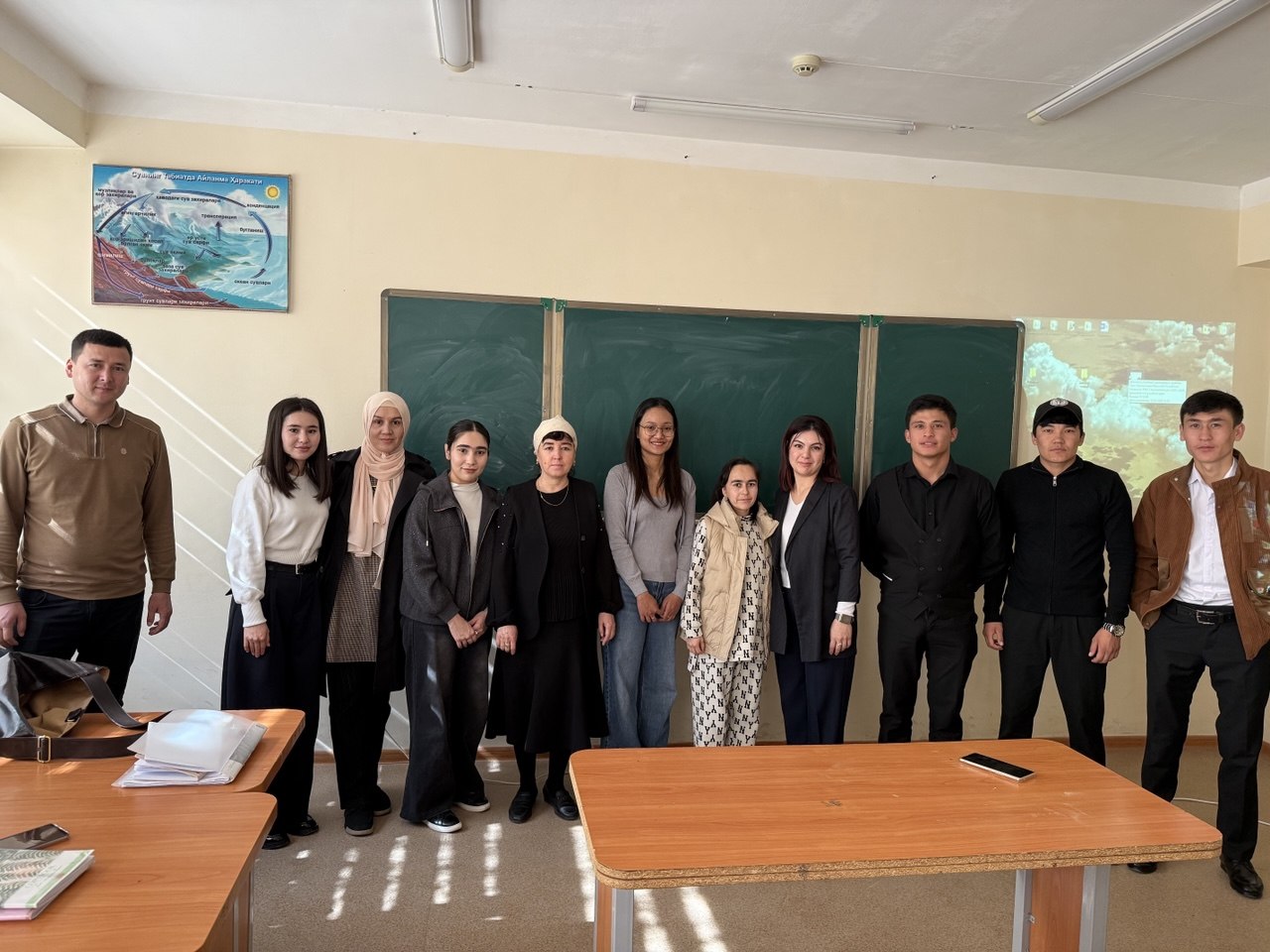
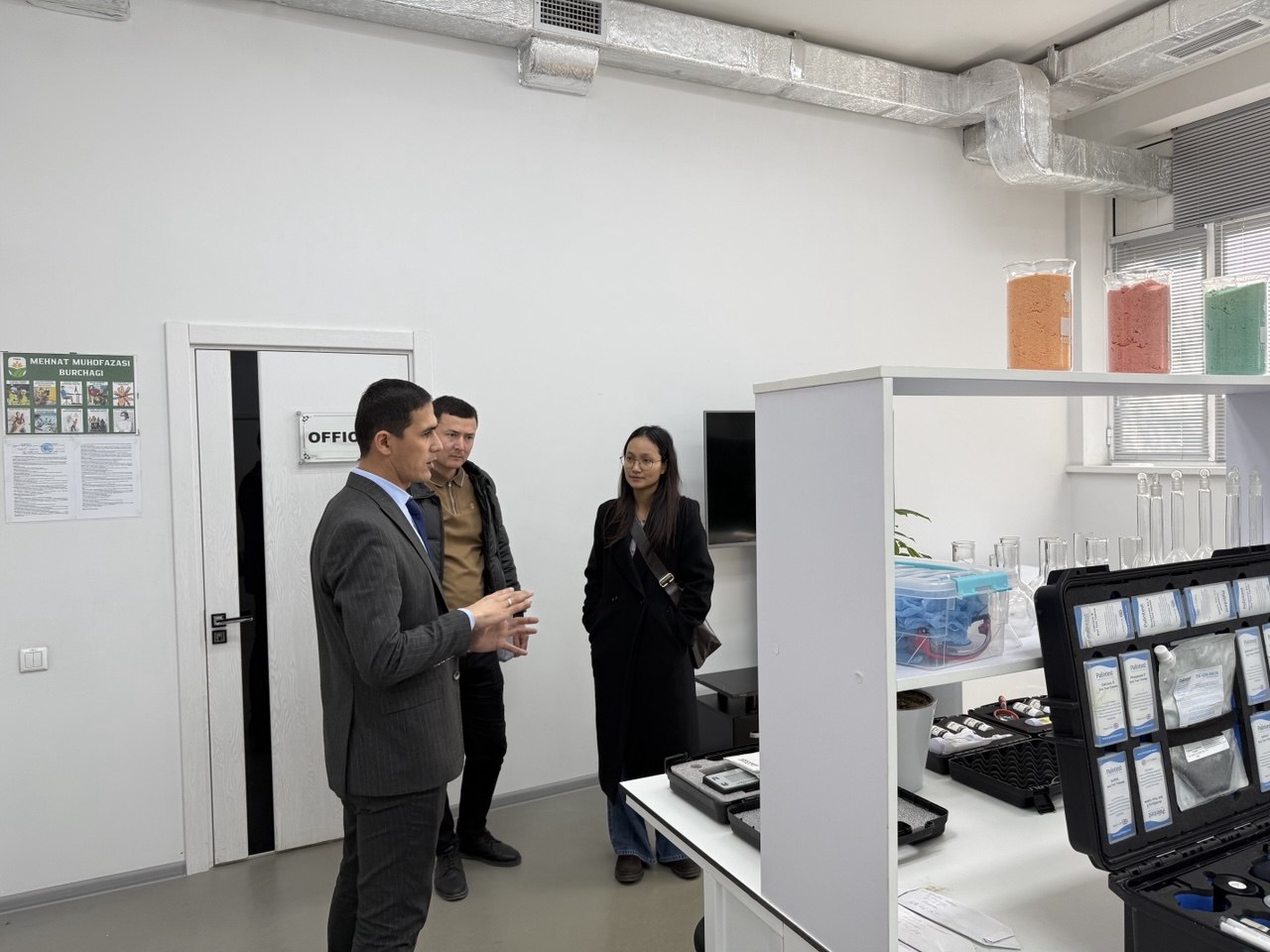
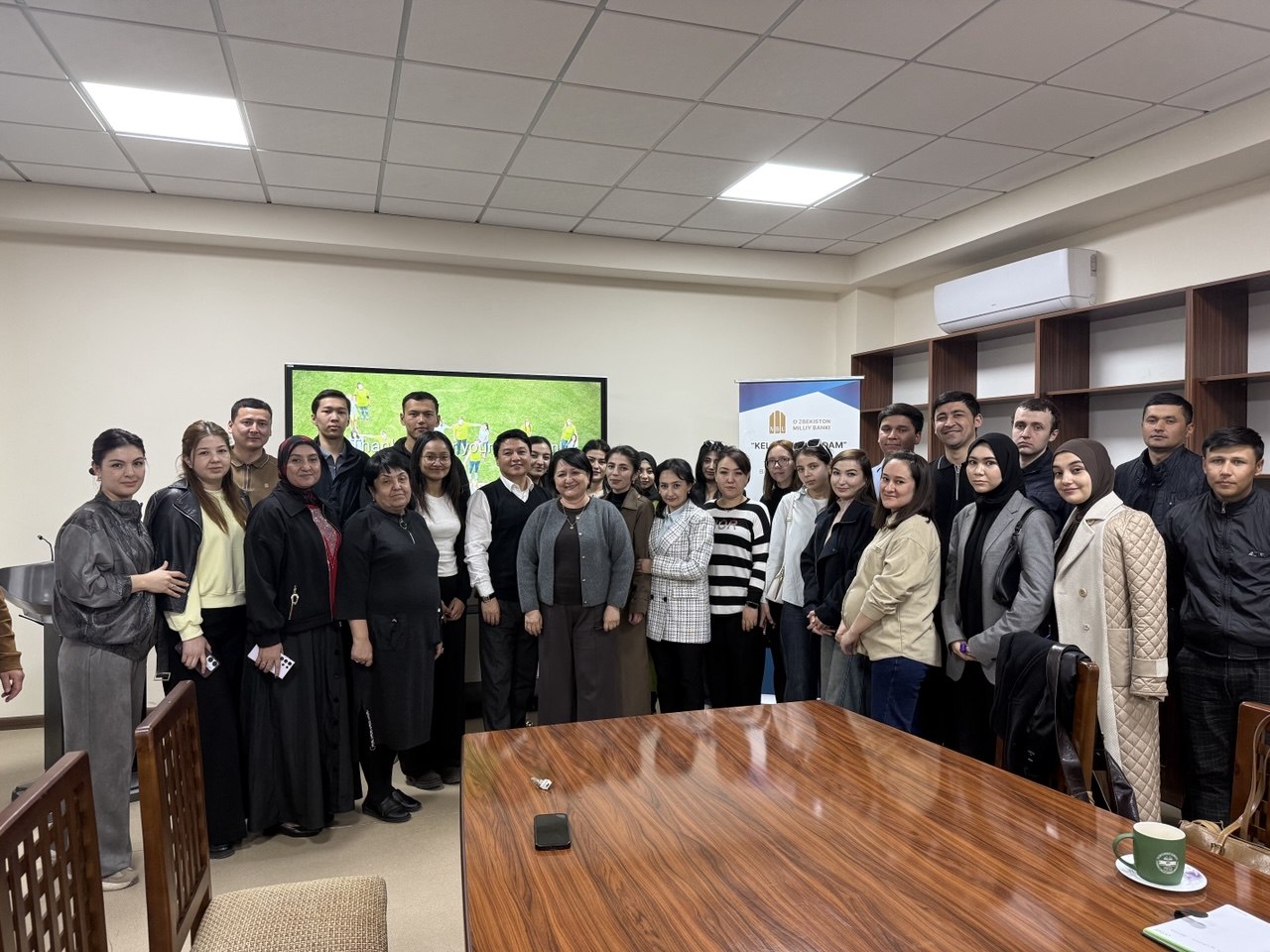
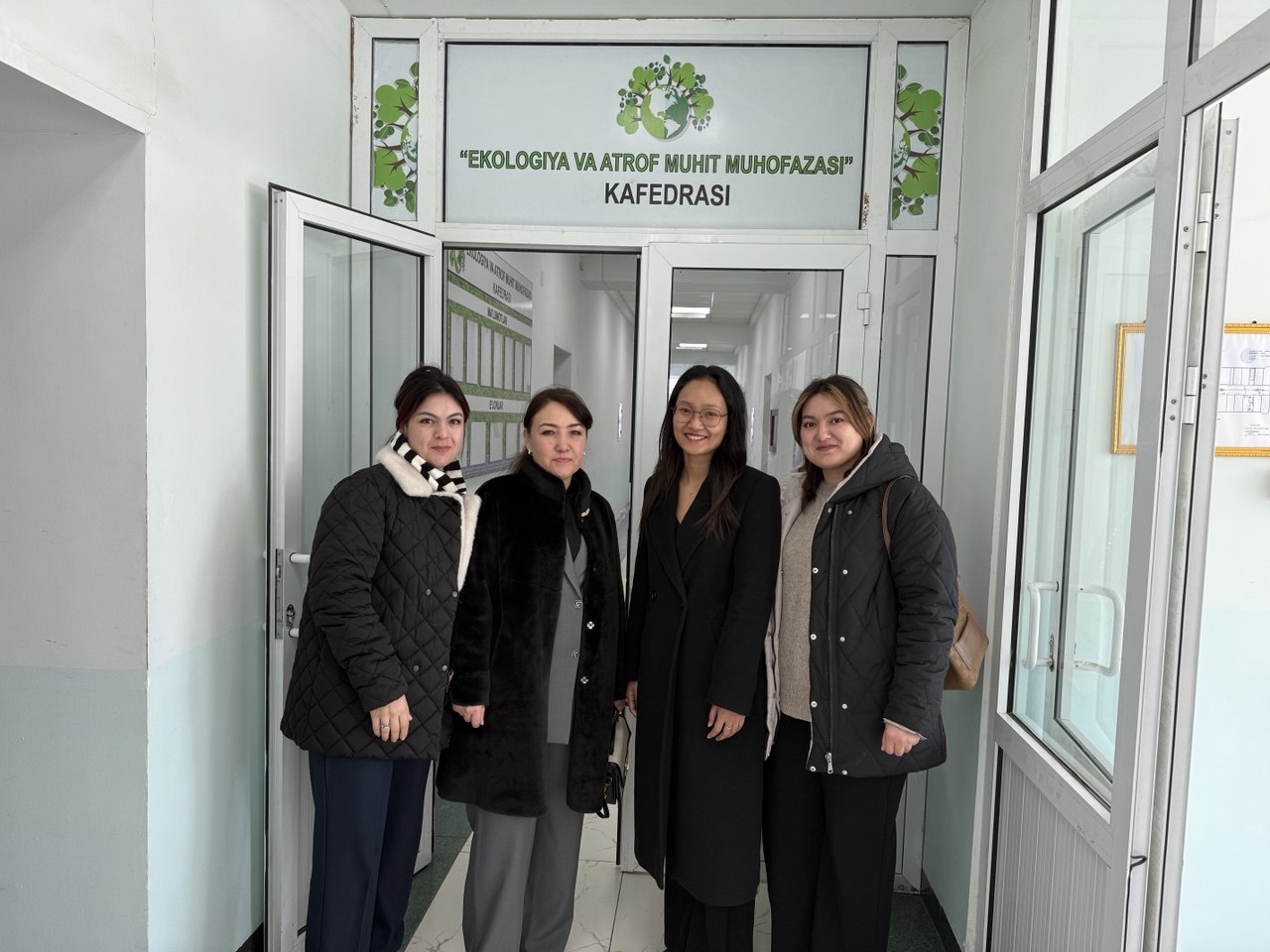
These were among the key questions explored by Ek Sreykhouch, a PhD candidate from the Cooperative Research Group at the Faculty of Tropical AgriSciences, Czech University of Life Sciences Prague (CZU Prague), during a one-month Erasmus+ research traineeship at Tashkent State Technical University (TSTU) in Uzbekistan. The mobility strengthened academic cooperation between the two universities while providing valuable insights into the transformation of Uzbekistan's agricultural sector and rural development policies.
In recent years, Uzbekistan has been undergoing a significant economic transformation. Alongside its traditional reliance on the oil and gas sector, the country is increasingly investing in agriculture as one of the key pillars of its future development. This transition, however, brings major challenges, including water scarcity, the impacts of climate change, the need for better coordination of agricultural markets, and stronger cooperation among farmers. Sharing knowledge, supporting innovation, and identifying sustainable solutions are therefore becoming essential components of both research and international academic collaboration.
A major milestone in this process is Uzbekistan's new Law on Agricultural Cooperatives, which entered into force in February 2025. The legislation establishes a comprehensive legal framework for the creation, operation, and development of agricultural cooperatives, providing an important tool for strengthening collective farming, resource sharing, and farmers' market position. It represents a significant step towards modernising the country's agricultural sector and enhancing the resilience of rural communities.
"The Erasmus+ traineeship gave me the opportunity to gain first-hand insight into the challenges currently facing Uzbekistan's agricultural sector and to discuss them directly with local experts. What impressed me most was the country's approach to combining legislative reforms, support for agricultural cooperatives, and innovative solutions for water management under changing climate conditions. I believe the partnerships established during the traineeship will lead to future collaborative research projects and valuable knowledge exchange," says Ek Sreykhouch, PhD candidate at the Cooperative Research Group, Faculty of Tropical AgriSciences, CZU Prague.
The traineeship also provided new perspectives for the Cooperative Research Group's research on agricultural cooperatives, rural development, and the sustainable transformation of farming systems. Furthermore, it strengthened the partnership between CZU Prague and Tashkent State Technical University, opening new opportunities for collaborative research focused on sustainable agricultural development in Central Asia.
International research mobilities such as this enable early-career researchers to gain first-hand experience in regions undergoing profound agricultural transformation while fostering long-term international collaboration in sustainable agriculture and rural development