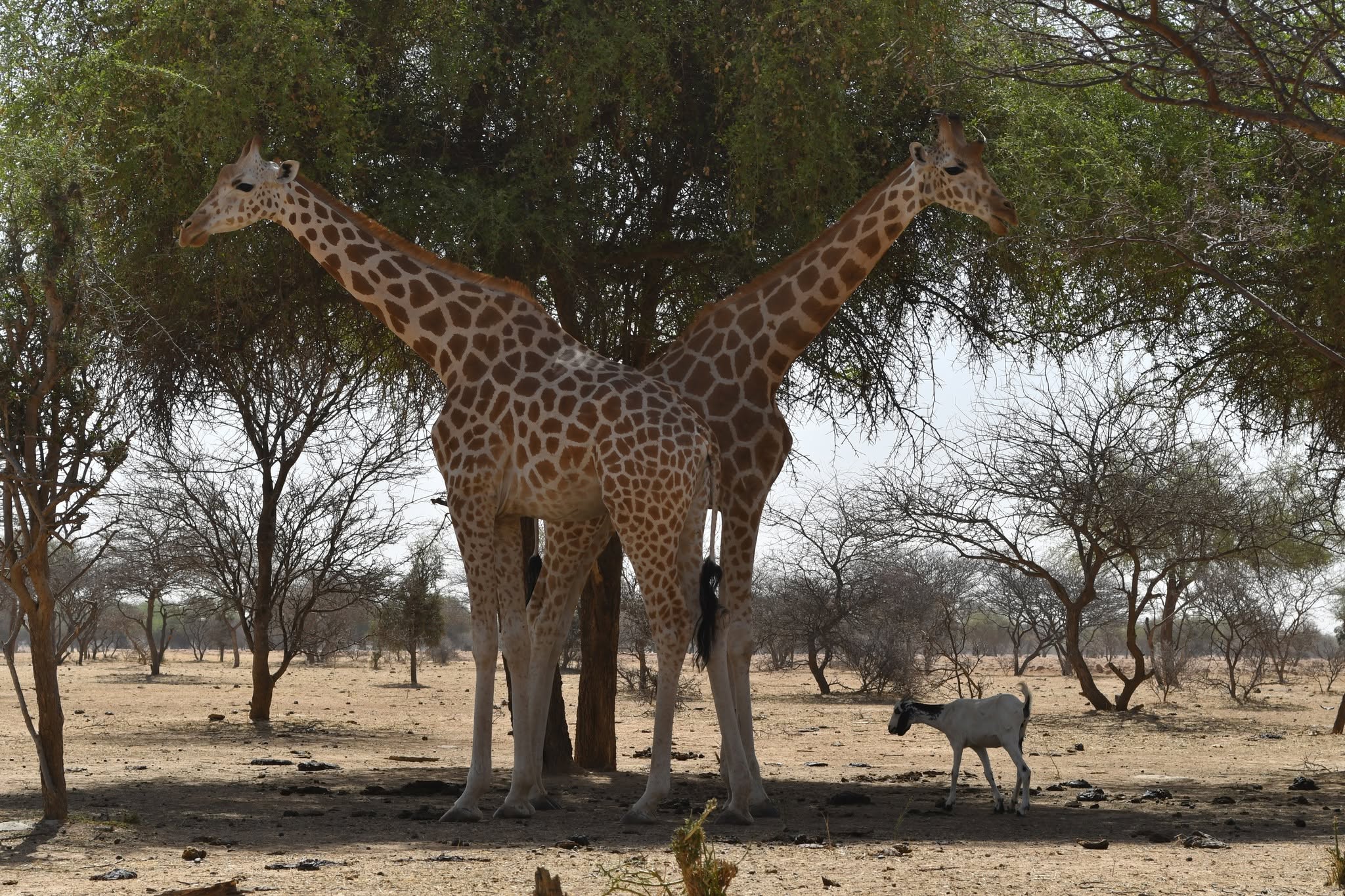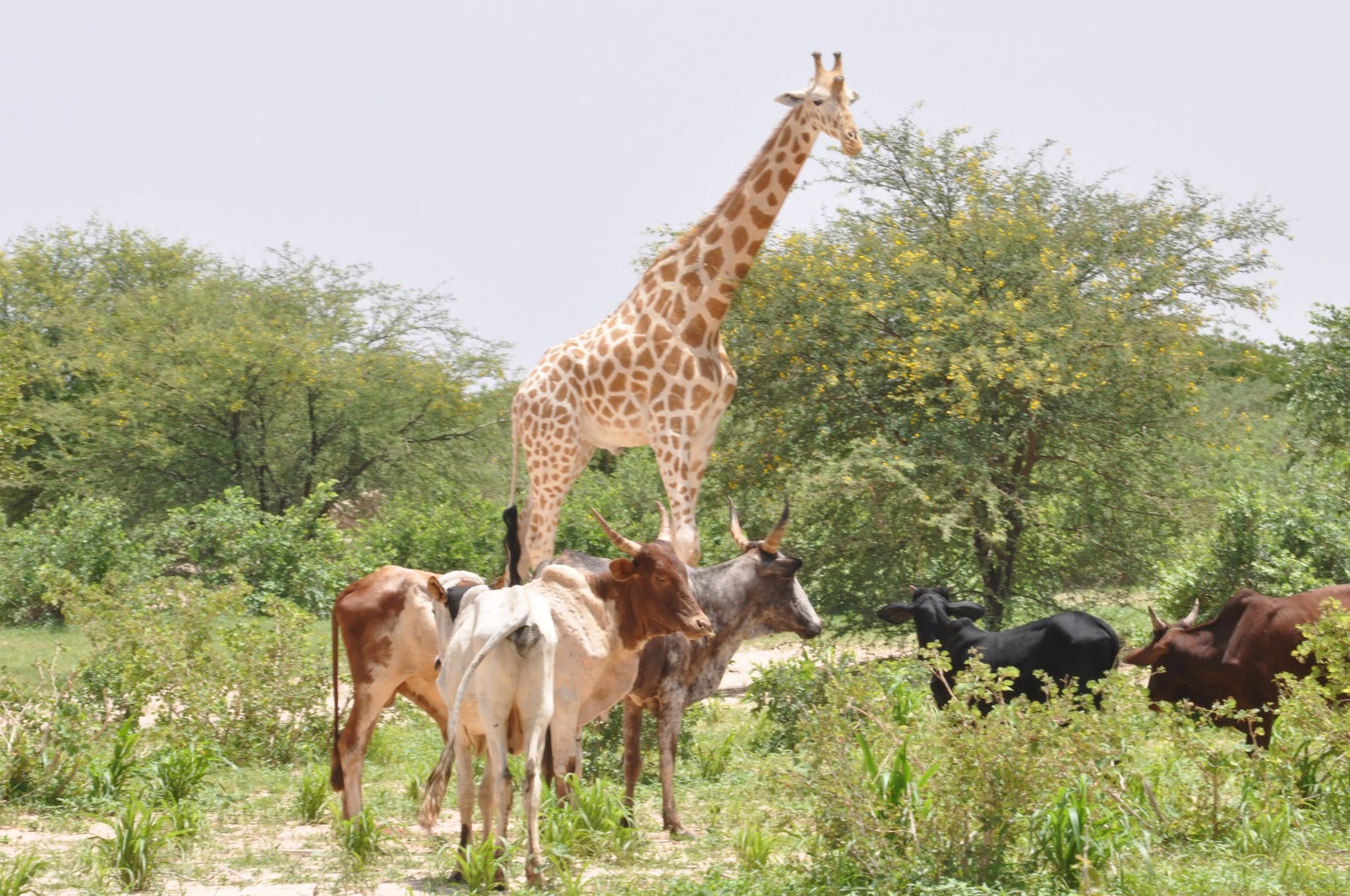

Research on the future of the West African giraffe, involving scientists from the Faculty of Tropical AgriSciences (FTZ), Czech University of Life Sciences Prague (CZU Prague), has been featured by Nature as part of its selection of recent research from Africa.
The study, published in the journal Biological Conservation, caught the attention of the Nature editorial team for its comprehensive approach to understanding the future of the West African giraffe. The research was featured in Nature Africa alongside other recent studies addressing important scientific and societal challenges across the African continent.
The study combines decades of giraffe monitoring data with climate records, future climate projections, demographic data and computer modelling. The research team, led by Mara Vukelić, found that climate change alone is unlikely to drive the West African giraffe to extinction. However, the risk increases sharply when climatic stress is combined with declining habitat carrying capacity and poaching linked to food insecurity.
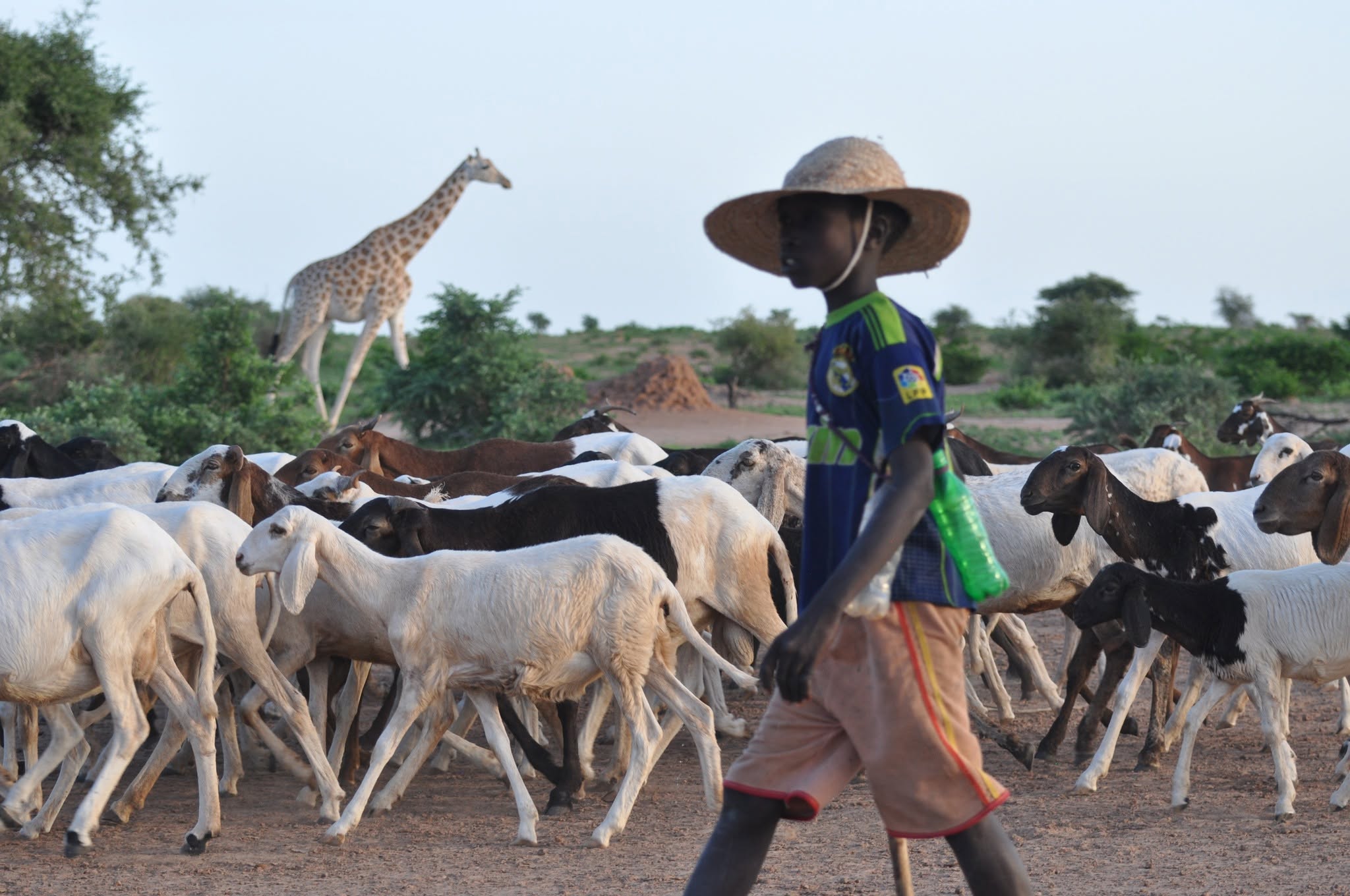
Nature also highlights the study’s broader social-ecological perspective. As lead author Mara Vukelić explains, the future of the species depends not only on environmental conditions, but also on maintaining long-term coexistence between giraffes and local communities.
“From this perspective, protecting the West African giraffe requires more than responding to environmental change. It depends on maintaining a stable and resilient population through functional habitat, effective conservation measures and continued coexistence with local communities,” says Mara Vukelić.
There is also a clear conservation success story behind these findings. In Niger, the West African giraffe population fell to just 49 individuals in 1996. Thanks to concerted conservation efforts and supportive government policies, the population has since recovered to around 600 giraffes.
At the same time, the study highlights how fragile such progress can be. The future of the population will depend on maintaining suitable habitat, effective protection and conditions that allow both people and giraffes to thrive.
Long-term collaboration for giraffe conservation
The research is the result of a long-term collaboration between the Faculty of Tropical AgriSciences (FTZ), the Antelope Conservation research team and the Giraffe Conservation Foundation (GCF).
The collaboration brings together long-term field monitoring, scientific research, modelling and practical conservation efforts. This combination helps researchers better understand how giraffe populations respond to changing environmental and socio-economic conditions and provides evidence that can support effective conservation strategies.
The study also involved international partners, including the Government of Niger. Such cooperation between researchers, conservation organisations, local institutions and government authorities is essential for generating the knowledge needed to protect vulnerable wildlife populations in human-dominated landscapes.
The research also carries a message that goes beyond giraffes. Biodiversity conservation is closely connected to food security, poverty reduction and the livelihoods of rural communities. Addressing these challenges is therefore not only essential for people, but can also play an important role in protecting wildlife and ecosystems.
The original study was published in Biological Conservation. It has now reached a wider international audience through its inclusion in Nature Africa’s selection of recent research from Africa. (Nature)
Photo: Abdoul Razack Moussa