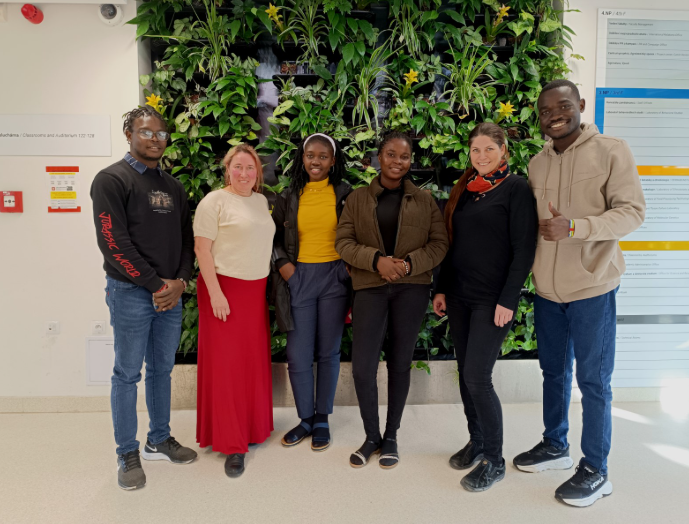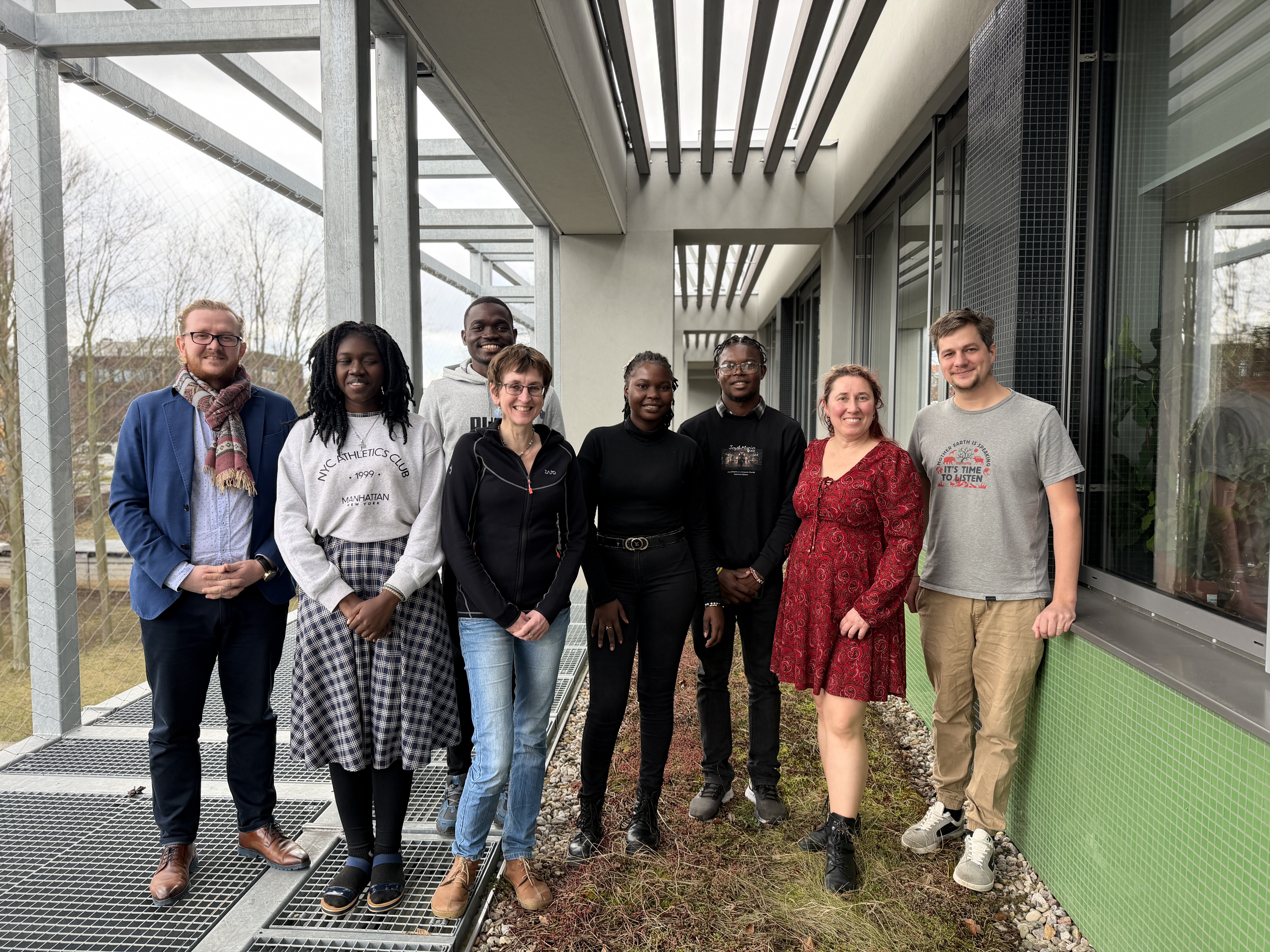

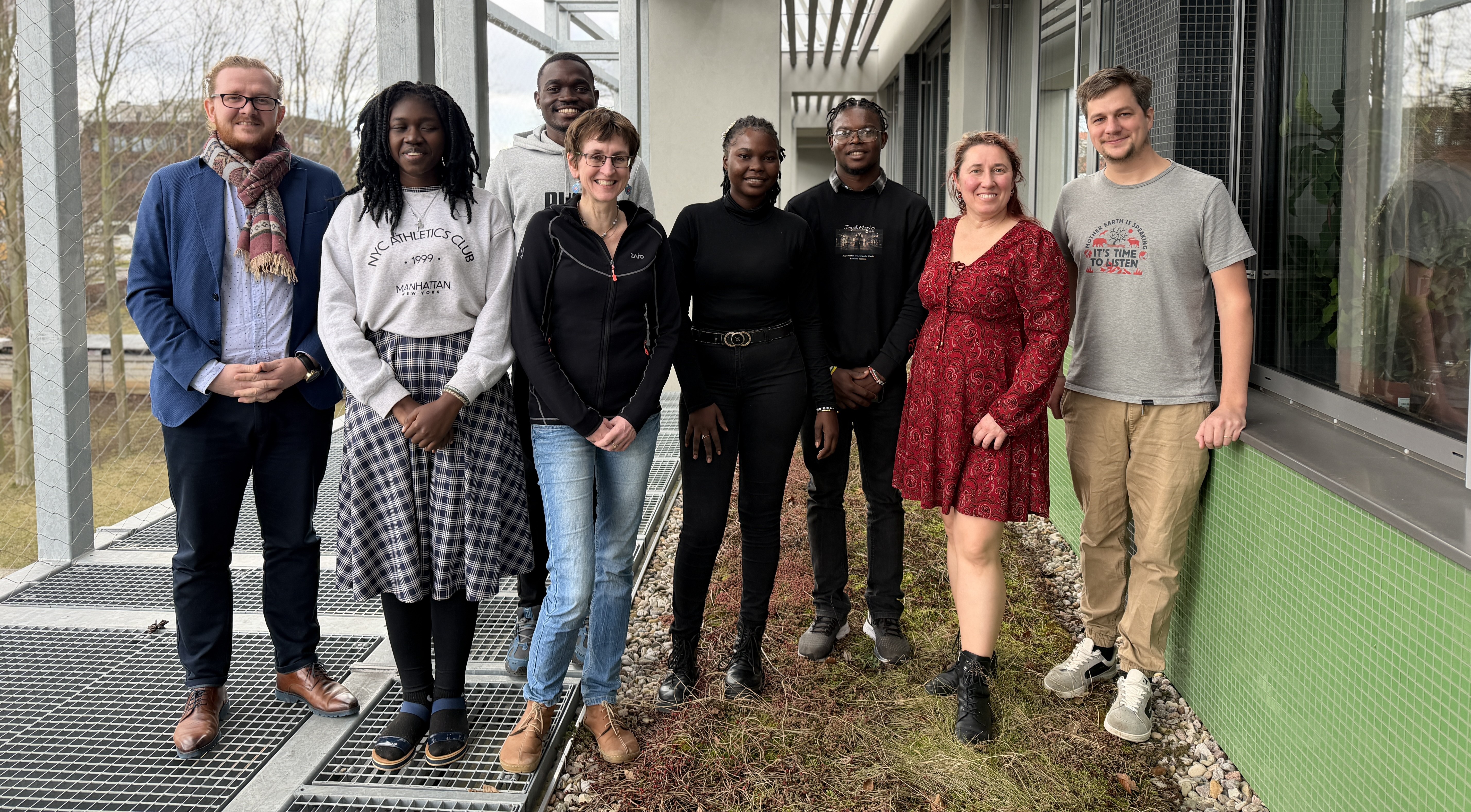
The Faculty of Tropical AgriSciences at the Czech University of Life Sciences Prague welcomed four students from the Université de Bangui in the Central African Republic, under the Erasmus+ programme. Two female and two male students arrived in the Czech Republic to gain theoretical knowledge and practical skills in wildlife management and conservation, which they will apply in the protection and research of the country’s unique biodiversity.
Their programme at FTZ is coordinated by Associate Professor Karolína Brandlová in cooperation with Antelope Conservation. The official welcome was attended by the Dean of FTZ, Associate Professor Hynek Roubík, along with Czech experts engaged in long-term activities in the Central African Republic. The meeting highlighted the importance of academic exchange, technology transfer, and building long-term partnerships between institutions.
Czech Experts and Knowledge Transfer
Karolína Brandlová – large mammal conservation and student coordination Associate Professor Brandlová has over twenty years of experience in African savanna research and collaborates with African Parks on monitoring and conservation of endangered species. She leads the Erasmus+ cooperation with the Université de Bangui and supervises students during their stay at FTZ.
Pavla Hejcmanová – ecology and environmental data analysis Professor Hejcmanová focuses on mammal ecology and introduces advanced methods of ecological and spatial data analysis, including modelling techniques.
Kristýna Eliášová – genetics and bioinformatics Dr Eliášová specialises in population genetics and bioinformatics. She introduces students to mitochondrial DNA, microsatellites and genomic SNP data, explaining their applications and interpretation.
Klára Judita Petrželková and Barbora Pafčo – parasites and microbiome research Researchers from the Institute of Vertebrate Biology work long-term in the Central African Republic, focusing on parasite infections and gut microbiomes of primates, humans and other animals. They plan workshops on non-invasive sampling and field research methods.
Jan Staš – sustainable technologies and model farm Dr Staš focuses on food security, renewable energy and integrated agriculture. He contributed to transforming a former plantation in Bangui into a model farm designed as a living laboratory.
Jaroslav Havlík – primate metabolism research Associate Professor Havlík studies gut microbiota in primates and their impact on metabolism. Students received hands-on training in sampling and laboratory analysis.
Hynek Roubík – faculty leadership and sustainable innovation The Dean of FTZ focuses on bioeconomy, renewable energy and circular solutions, integrating innovation into international projects and student training.
Study Programme and International Cooperation
The group consists of Leslie Brigia Guipi, Axelle Lisette Manóze Kanzo, Emmanuel Madoukou and Aymar Sydney Sylvain Bero Sendoya. Their academic backgrounds include mathematics, informatics, biochemistry and ecology.
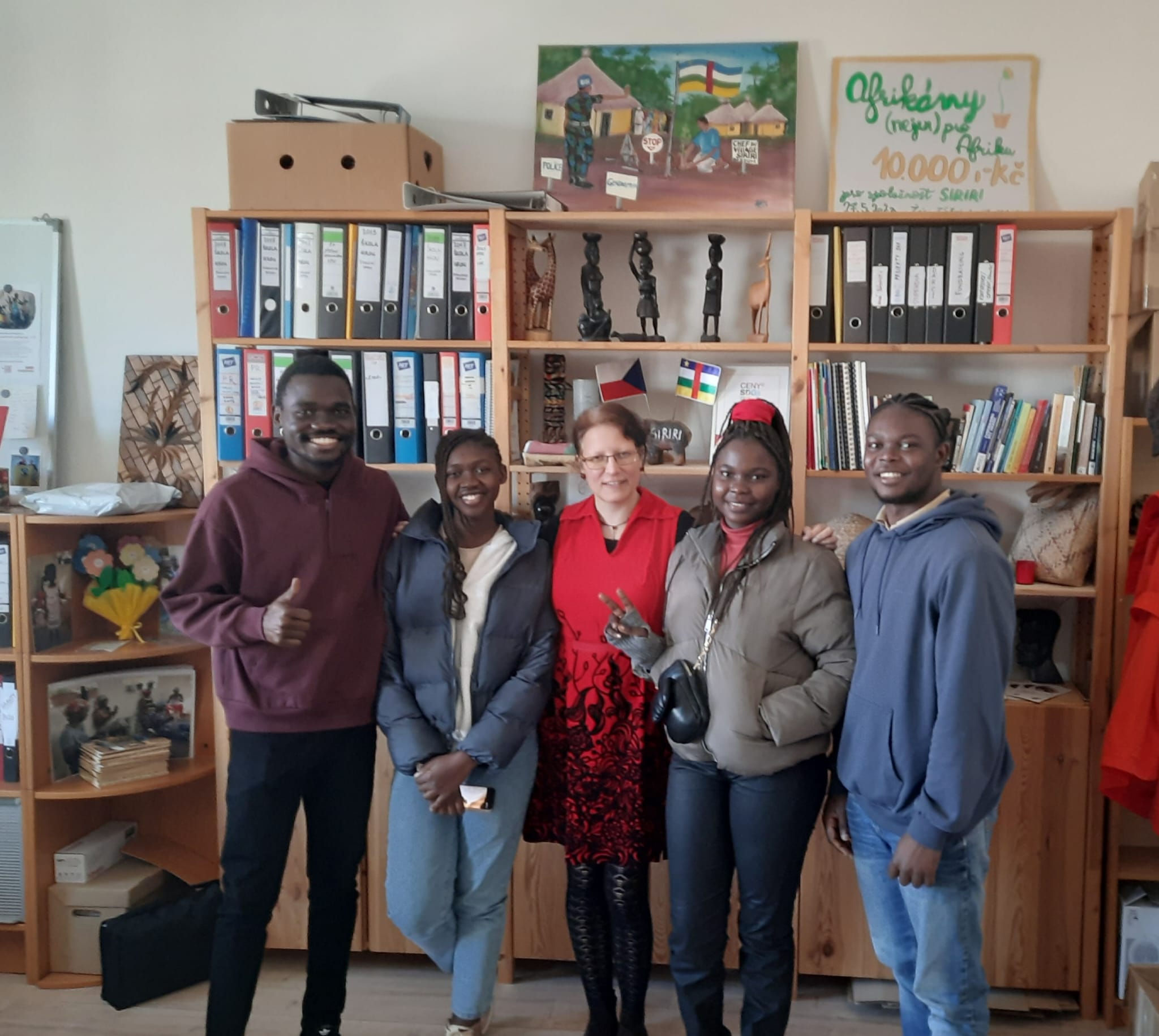
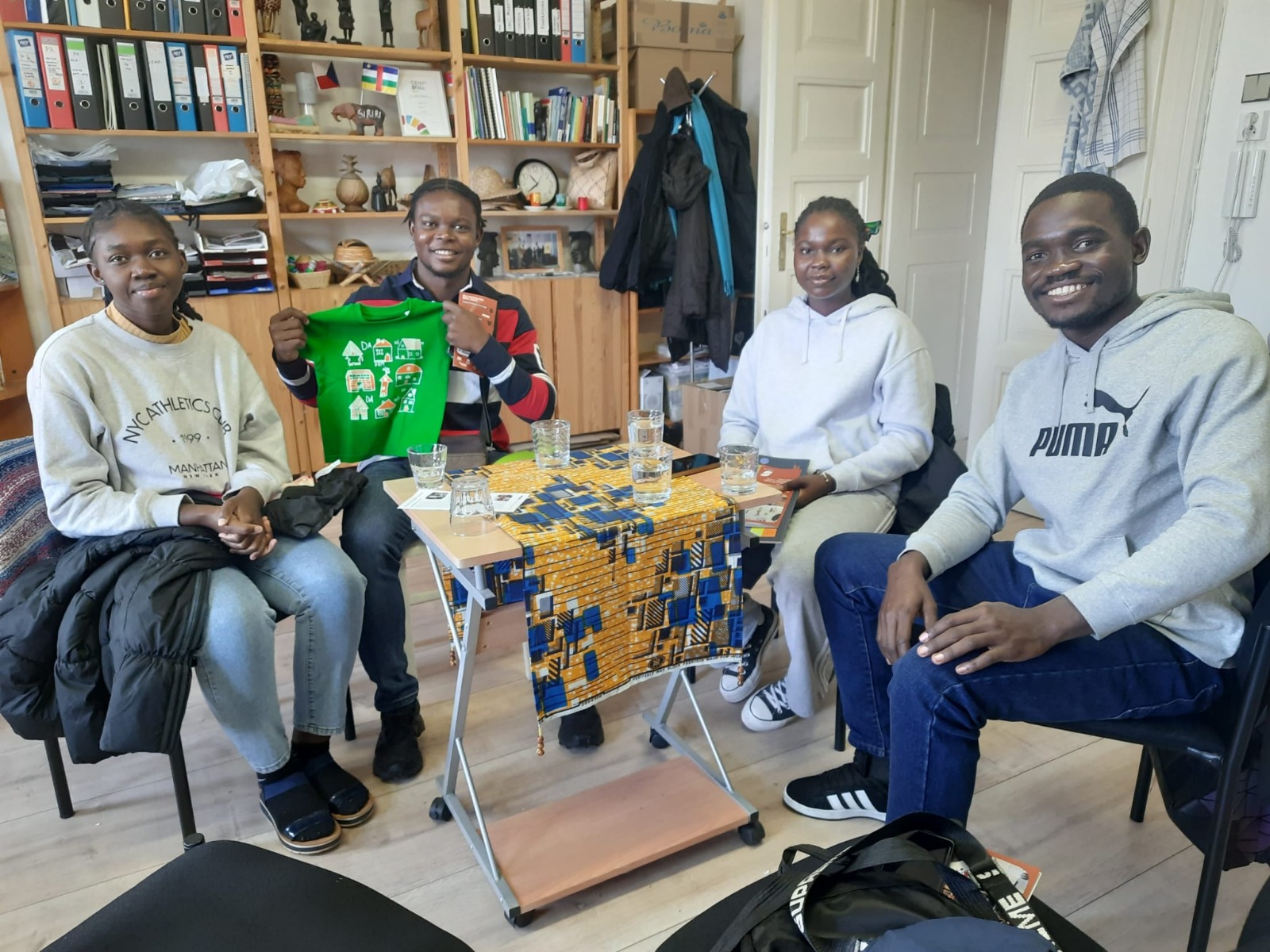
At FTZ, they attend seminars and laboratory training focused on wildlife conservation, ecological data analysis and modern research technologies. Their programme also includes visits to other CZU faculties and a two-week internship in Brno focused on non-invasive research methods and biostatistics. In addition, the students also visited the SIRIRI organisation, which has been operating in the SAR for a long time.
FTZ offers six three-month mobilities for students and two for academic staff within Erasmus+ international credit mobility, supporting internationalisation and capacity building.
Joint Discussion and Future Projects
Following the official welcome, discussions focused on Czech activities in the Central African Republic and future cooperation. Emphasis was placed on linking technological expertise with education and local capacity building.
Future plans include biodiversity conservation strategies, reintroduction of large mammals, development of the model farm in Bangui, advanced wildlife monitoring technologies, and research on pathogens and microbiomes of gorillas and other species, including the One Health approach.
Outlook
The cooperation with the Central African Republic has strong foundations and significant future potential. Key areas include conservation of large mammals, long-term ecological and health research, and development of sustainable agricultural systems.
By combining education, research and innovation, these initiatives contribute to sustainable development. The participating students are expected to play a crucial role in transferring knowledge and applying it in practice in their home country.