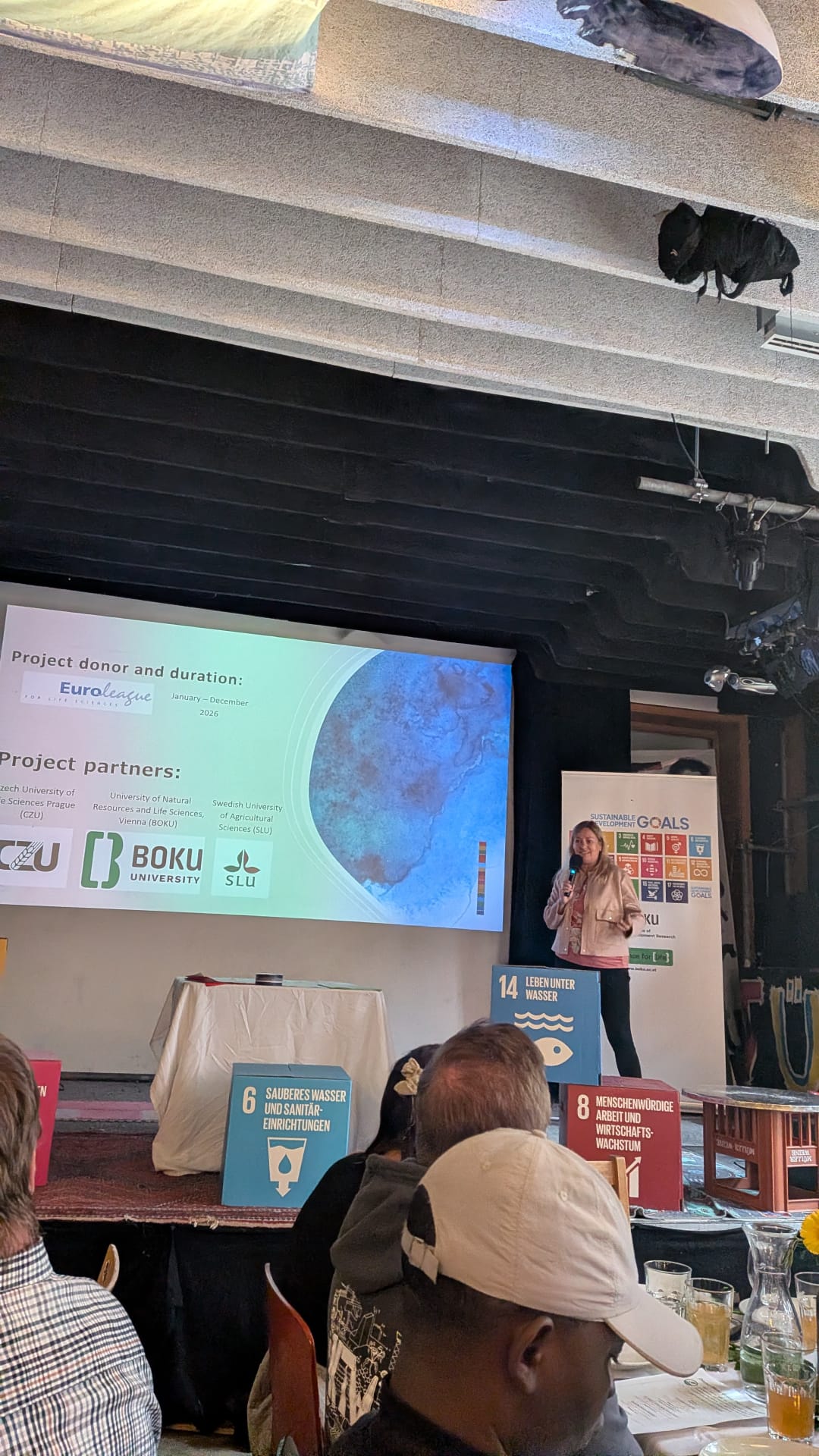

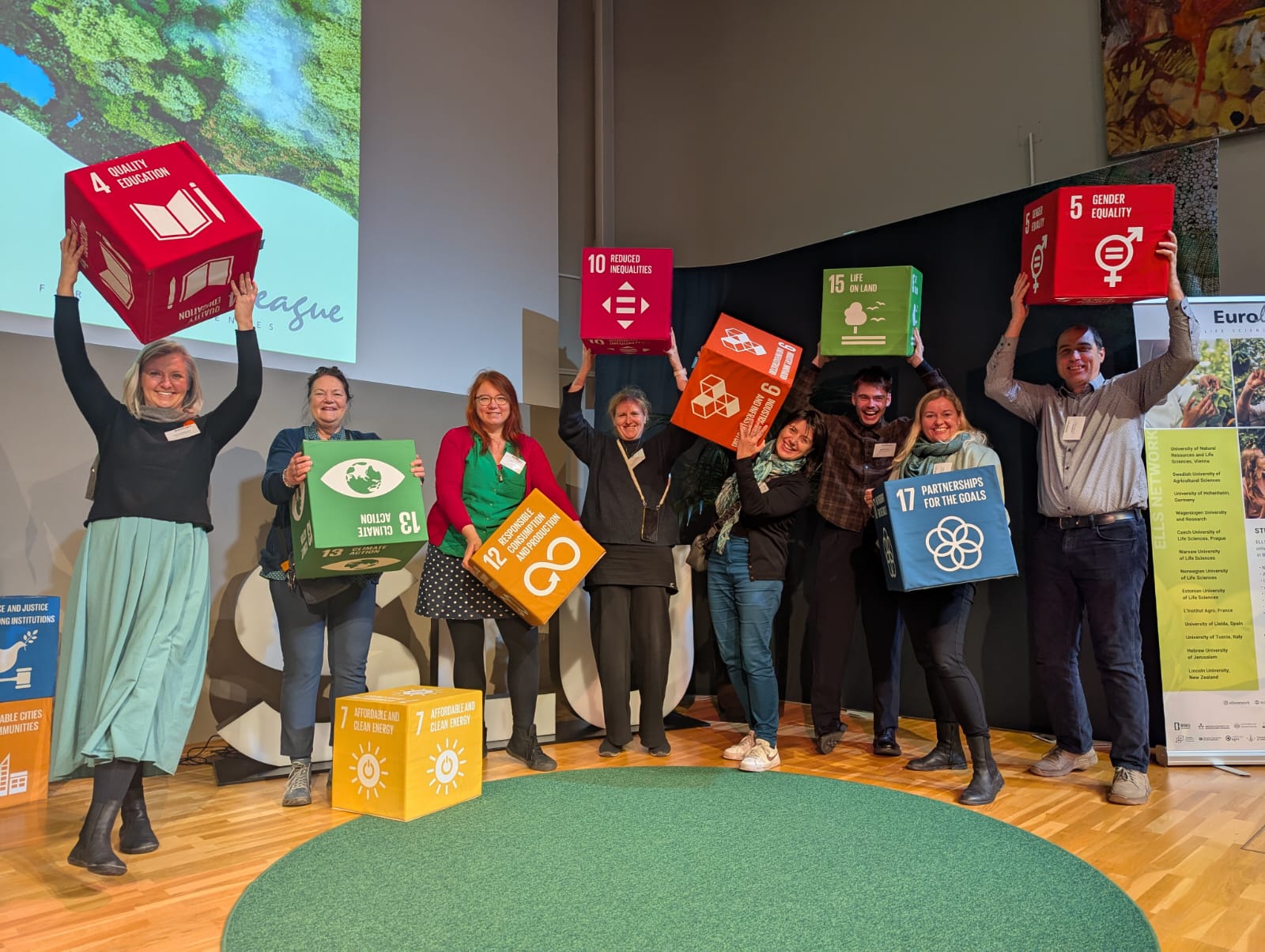
SustainMind is a newly accepted international educational project to be implemented in 2026 by three European universities: BOKU University (Austria), Czech University of Life Sciences Prague (CZU, Czech Republic) and Swedish University of Agricultural Sciences (SLU, Sweden). The project is supported by the Euroleague for Life Sciences (ELLS) under the subject area System Analysis and Design of Agri-Food Systems in a Changing Climate.
SustainMind is a student-centred educational initiative designed to raise awareness of sustainability challenges across the agri-food systems. Aligned with the UN’s 2026 International Year of Volunteers for Sustainable Development, the project engages international student teams (from three different ELLS universities) in a creative challenge to produce short educational videos addressing topics related to agri-food systems. These videos, tailored for diverse audiences, will promote open education and stimulate public dialogue. Through collaborative learning, cross-institutional events (such as the Green Plate Forum 4.0 and a special session at the ELLS Conference), and guided reflection, the project strengthens key competencies in systems thinking, science communication, and interdisciplinary collaboration.
Description of project content
The year 2026 has been designated by the United Nations as the International Year of Volunteers for Sustainable Development, recognizing the critical role of volunteer action in achieving global sustainability goals. In alignment with this global initiative, SustainMind positions students not just as learners but also as volunteers for change, co-creators of knowledge, and advocates for sustainable agri-food systems through hands-on educational outreach. Participation in the project will be voluntary, allowing motivated students to contribute as part of their coursework or as extracurricular engagement.
Food systems are complex networks of interconnected components encompassing the natural environment, food supply chains, economic and social factors, governance, and individual behaviours. These elements interact to influence food security, nutrition, and the overall sustainability of food production and consumption. At each of the three partner universities (CZU, SLU, and BOKU University), students will form local teams to investigate sustainability challenges across the agri-food value chains from a systems perspective, covering: agricultural production, food processing, food consumption, waste management, and project management in agri-food systems. Each local team will be responsible for producing one educational video. The learning process will be supported by the complementary expertise of the three university partners:
- SLU will focus on agroecology and sustainable production,
- CZU will lead on food processing, waste management, and international development, and
- BOKU University will contribute expertise in project management, transdisciplinary research, scientific communication (3rd Mission), and promotion of the Sustainable Development Goals (SDGs).
Student Challenge Description and Learning Process
A central element of the SustainMind project is a student-driven challenge focused on working in teams and collaboratively creating short educational videos (1–10 minutes) that address sustainability issues across the agri-food value chain from different disciplinary and regional perspectives. The aim is not only to deepen students’ understanding of the complexity of these systems but also to develop their skills in science communication, teamwork, and critical thinking.
Students will form teams, and each team will receive a short set of guiding questions along with simple guidelines (prepared by the project team). These materials are designed to help students shape both the content and form of their video. The first step for each team will be to define a specific target audience (for example, high school students, university students, farmers, the general public or any specific group of stakeholders). This decision will influence the tone, structure, and level of detail in the final video. Each video must include a brief introduction of the team that created it, including a short story answering: Who are we? Why did we choose this topic? What is our focus? And how did we approach it?
When submitting the final video, teams must accompany it with 2 short written texts:
- a concise abstract that summarizes the key message of the video.
- a brief explanation (could be referred to as a “manual”) that describes how the video is intended to be used. This manual is not technical in nature but serves as a short reflection on the educational value of the video: for example, whether it is best suited for classroom use, public outreach, or self-guided learning, and how it might be integrated into those settings.
By combining creative communication with reflection on audience, message, and application, the task encourages students to engage deeply with the topic of sustainability. The aim of the educational videos is to communicate key sustainability challenges and solutions across the agri-food systems in a way that reflects diverse academic and regional perspectives and raises awareness among targeted audiences. All videos will be accompanied by a QR code to make them easily accessible for wider dissemination across all ELLS partner universities. If the authors agree (GDPR), the videos will be hosted on the project website and the ELLS network platform, offering a sustainable alternative to traditional dissemination formats like posters.
The project will culminate in two key events:
- The Green Plate Forum, scheduled for mid-May 2026, where students will present and discuss their work.
- A special session at the ELLS Scientific Student Conference 2026, where selected videos and outcomes will be showcased to the broader academic community.
Think Global, Eat Local: An International Forum in Vienna
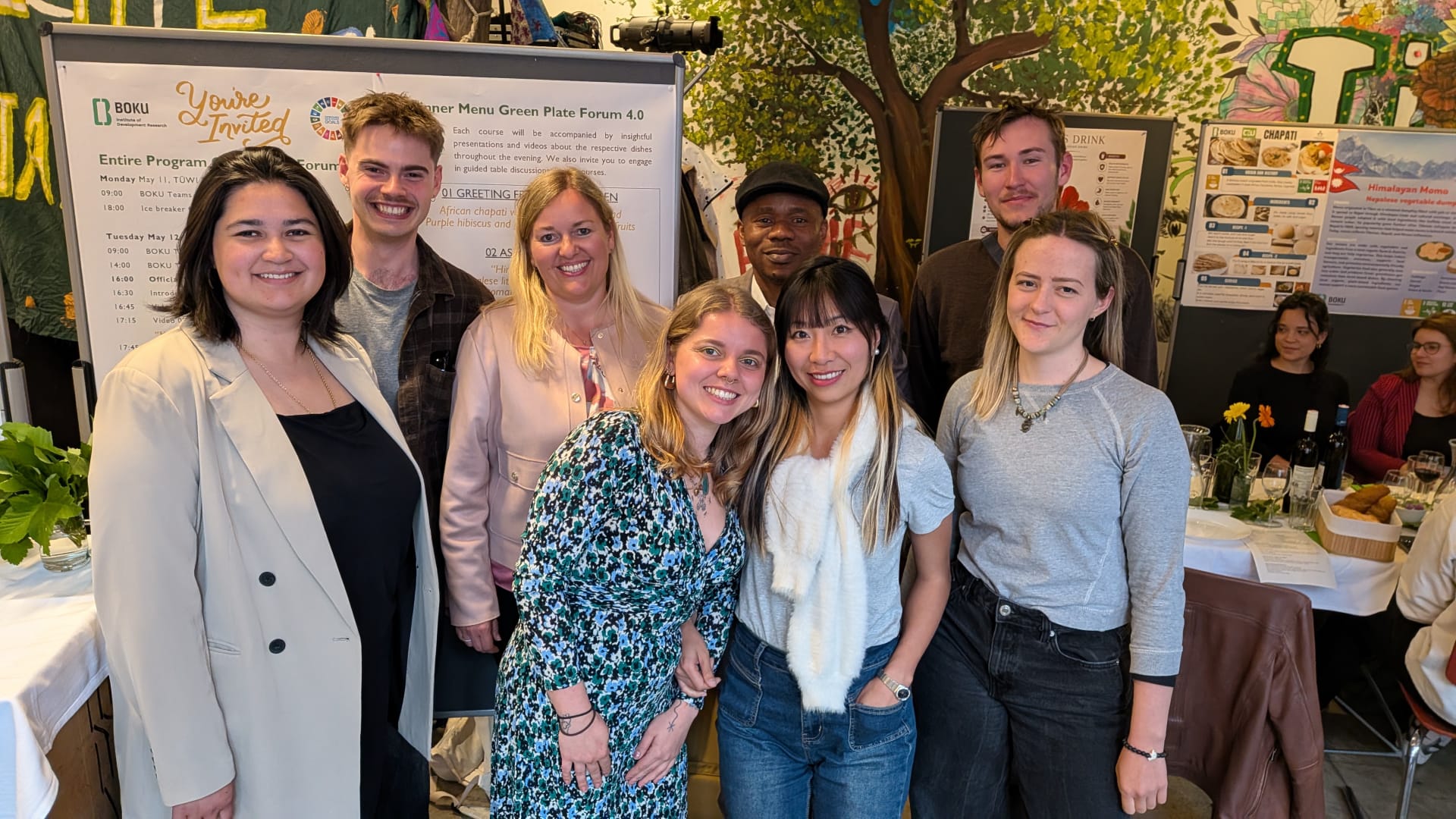
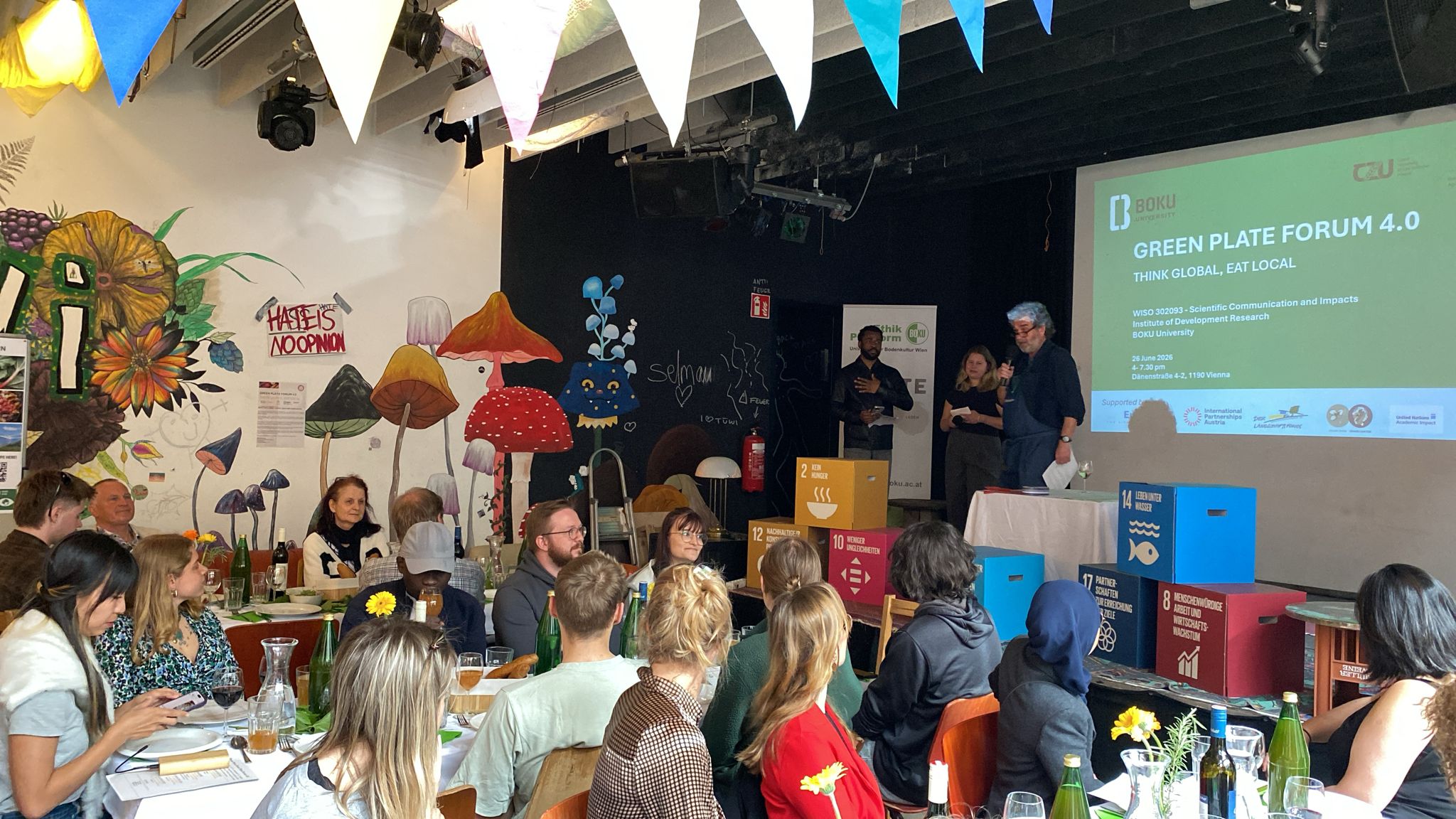
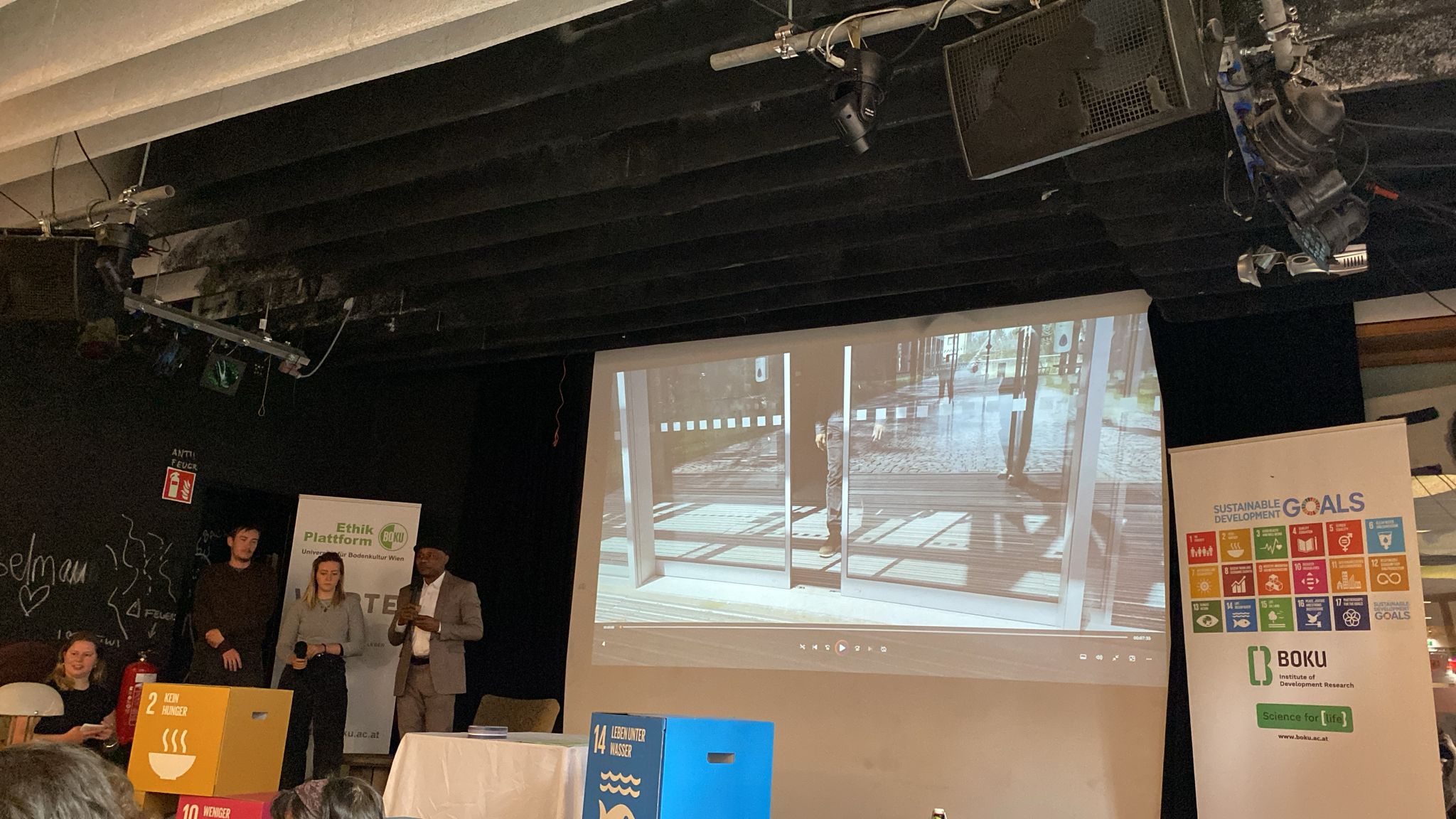
On May 12, 2026, the international student event Green Plate Forum 4.0: Think Global, Eat Local took place at BOKU University in Vienna, bringing together students from the Czech University of Life Sciences Prague (CZU), the Swedish University of Agricultural Sciences (SLU), and BOKU Vienna. The event focused on sustainable food production, responsible consumption, and the exchange of innovative approaches to addressing global challenges in food systems.
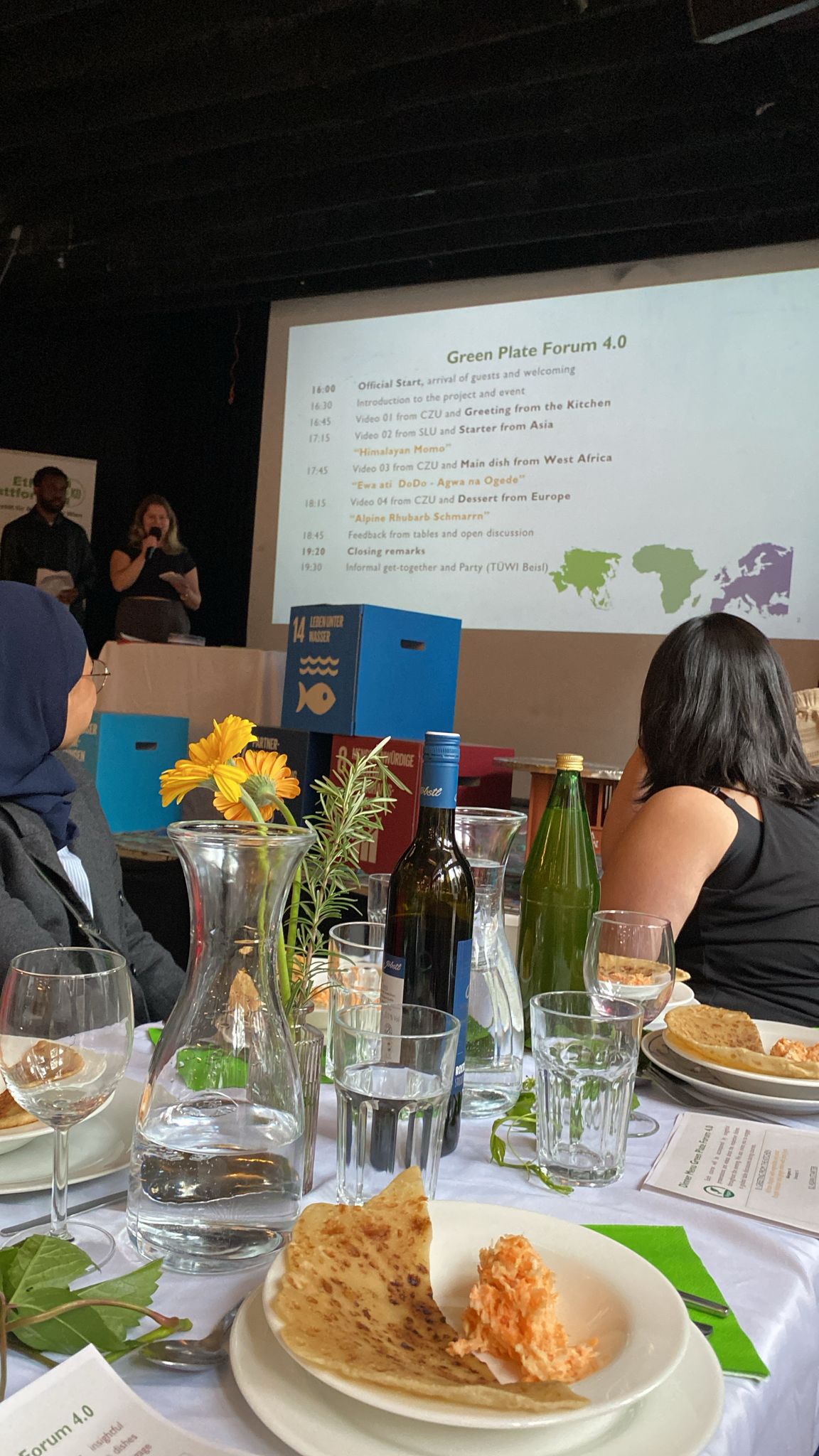
The program combined expert presentations with an interactive culinary experience, where student outputs were paired with themed dishes inspired by different regions of the world. The activity was implemented as part of the SustainMind: Enhancing Sustainability Awareness in Agri-Food Systems project, a student-centered initiative supported by the Euroleague for Life Sciences (ELLS) within the subject area System Analysis and Design of Agri-Food Systems in a Changing Climate.
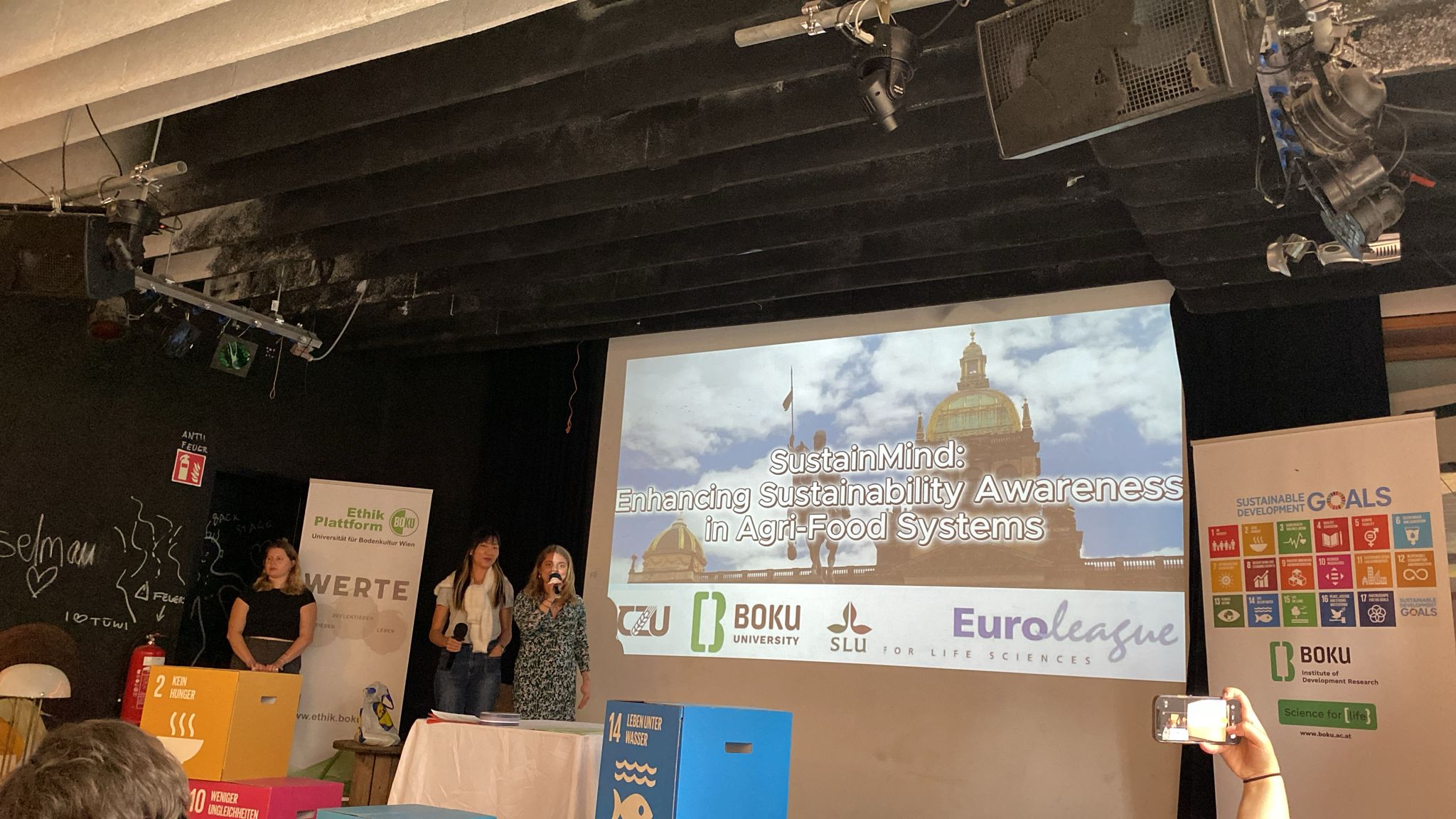
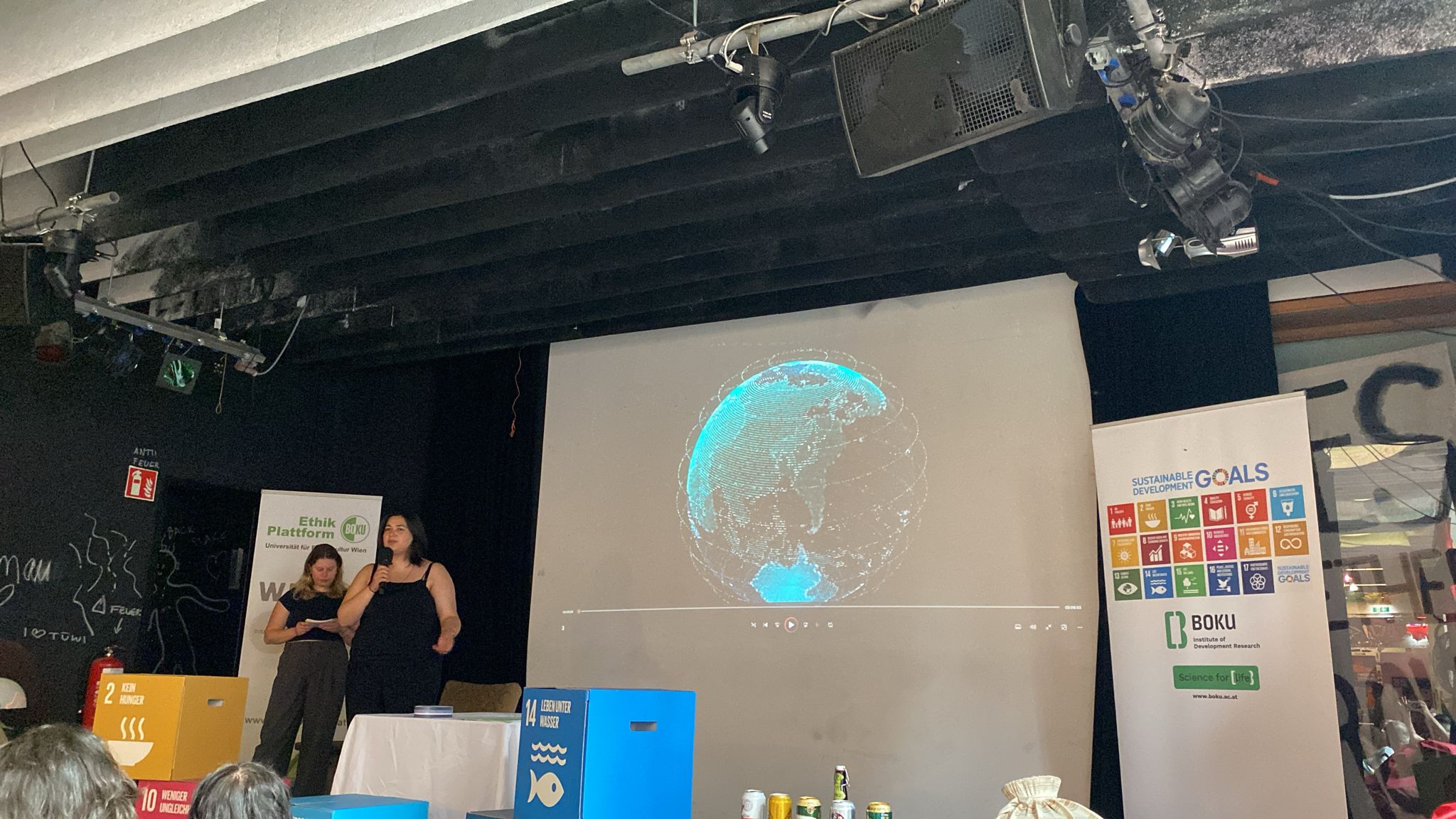
CZU was represented by a team of students from the Faculty of Tropical AgriSciences, working under the supervision of Dr. Petra Chaloupková and Dr. Olga Leuner. The students produced three educational videos addressing sustainable production of Czech beer, food waste management at the CZU canteen, and sustainable shrimp production in Colombia. Their presentations showcased practical examples of sustainability across diverse contexts and contributed to discussions on connecting local and global dimensions of food production. Students from SLU complemented the programme with a video offering a global perspective on food waste management, prepared under the supervision of Dr. Anna Manourová.
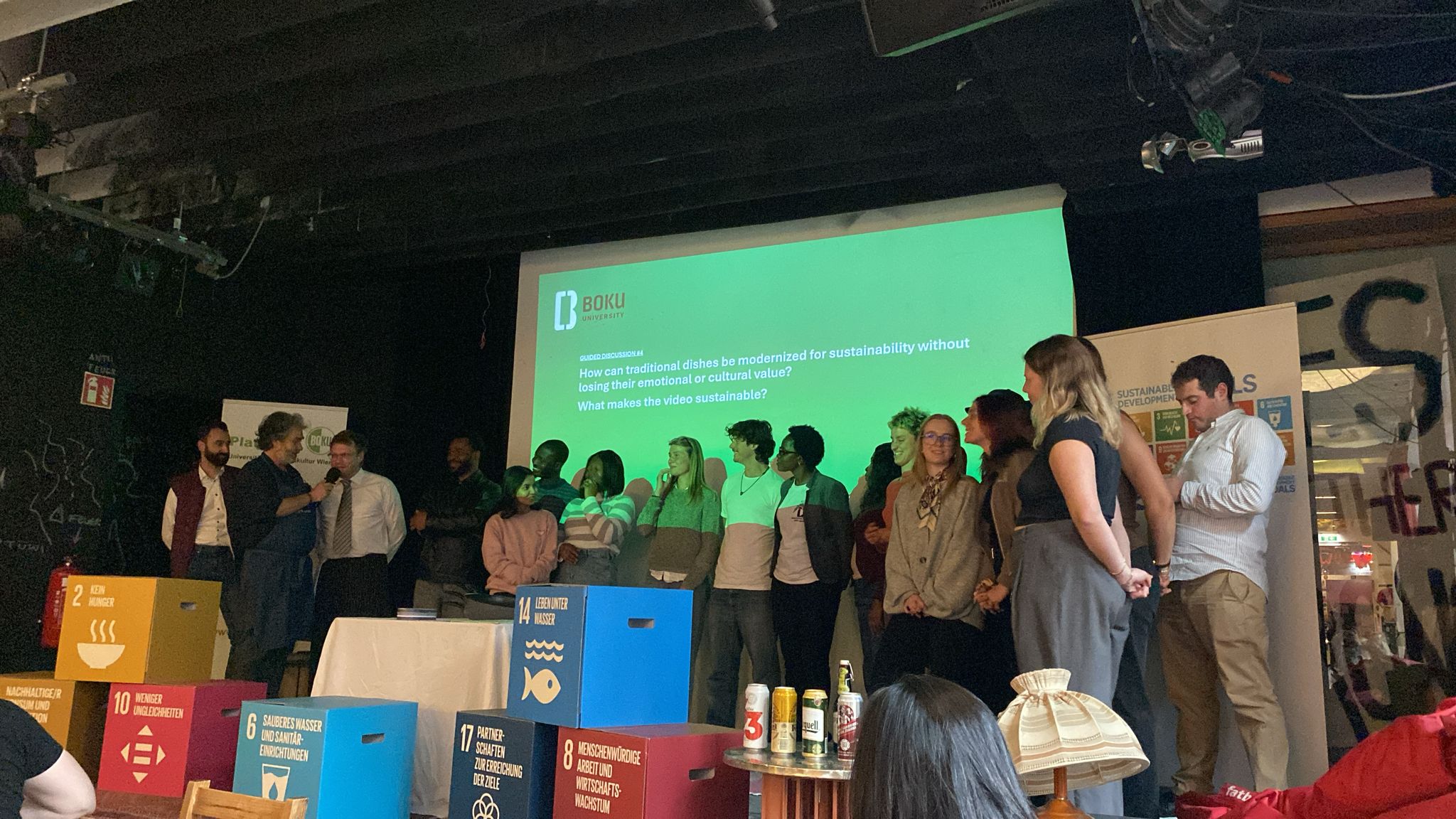
A key role in organizing the event was played by 20 BOKU students, who prepared refreshments and moderated the entire programme under the leadership of Prof. Andreas Melcher and Andreas Bauer.
Green Plate Forum 4.0 created an inspiring platform for international collaboration, knowledge exchange, and the development of practical and communication skills. For the students, the event was not only an opportunity to present their work in an international setting but also a valuable experience in interdisciplinary cooperation and in communicating sustainability challenges to a wider audience.