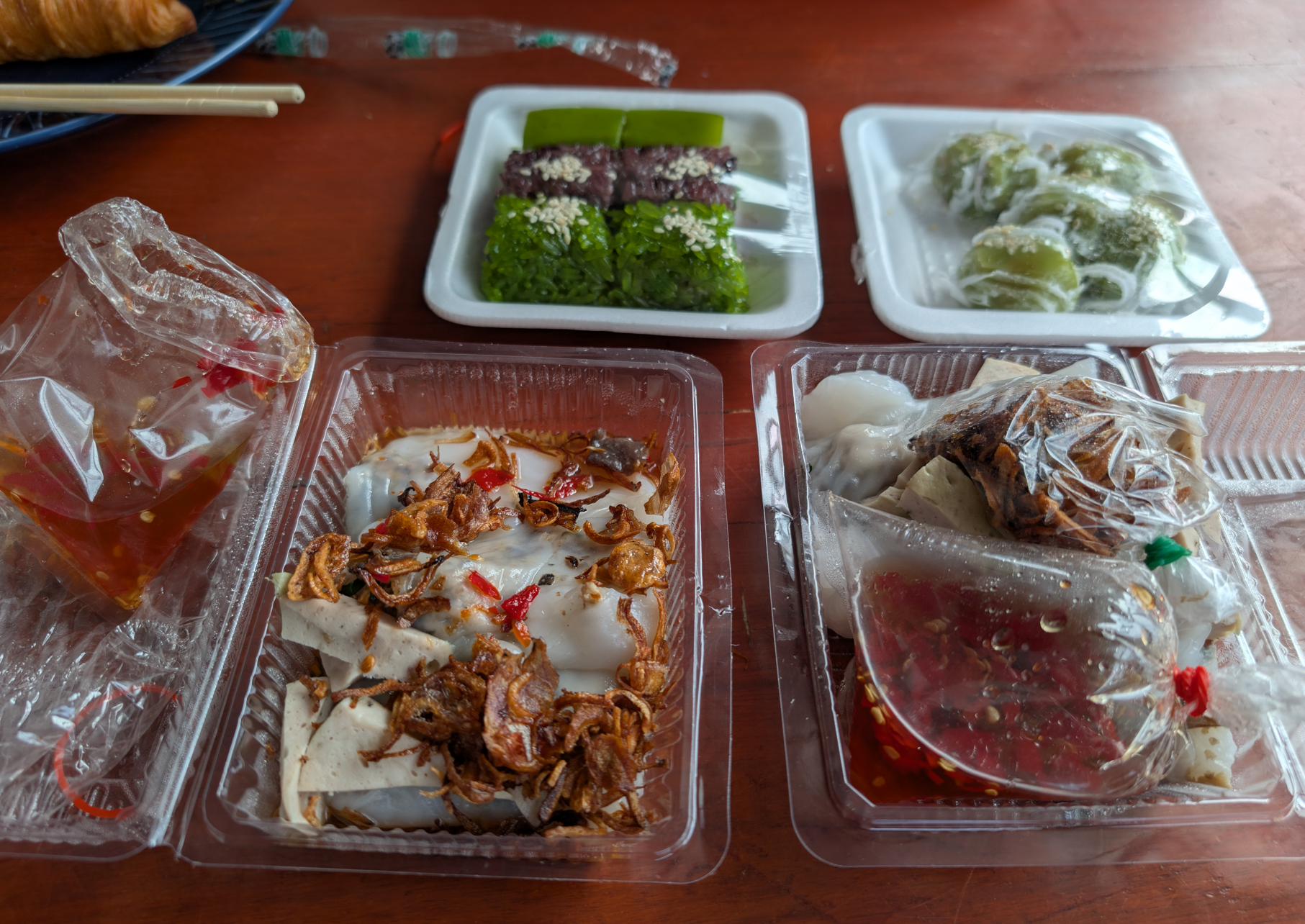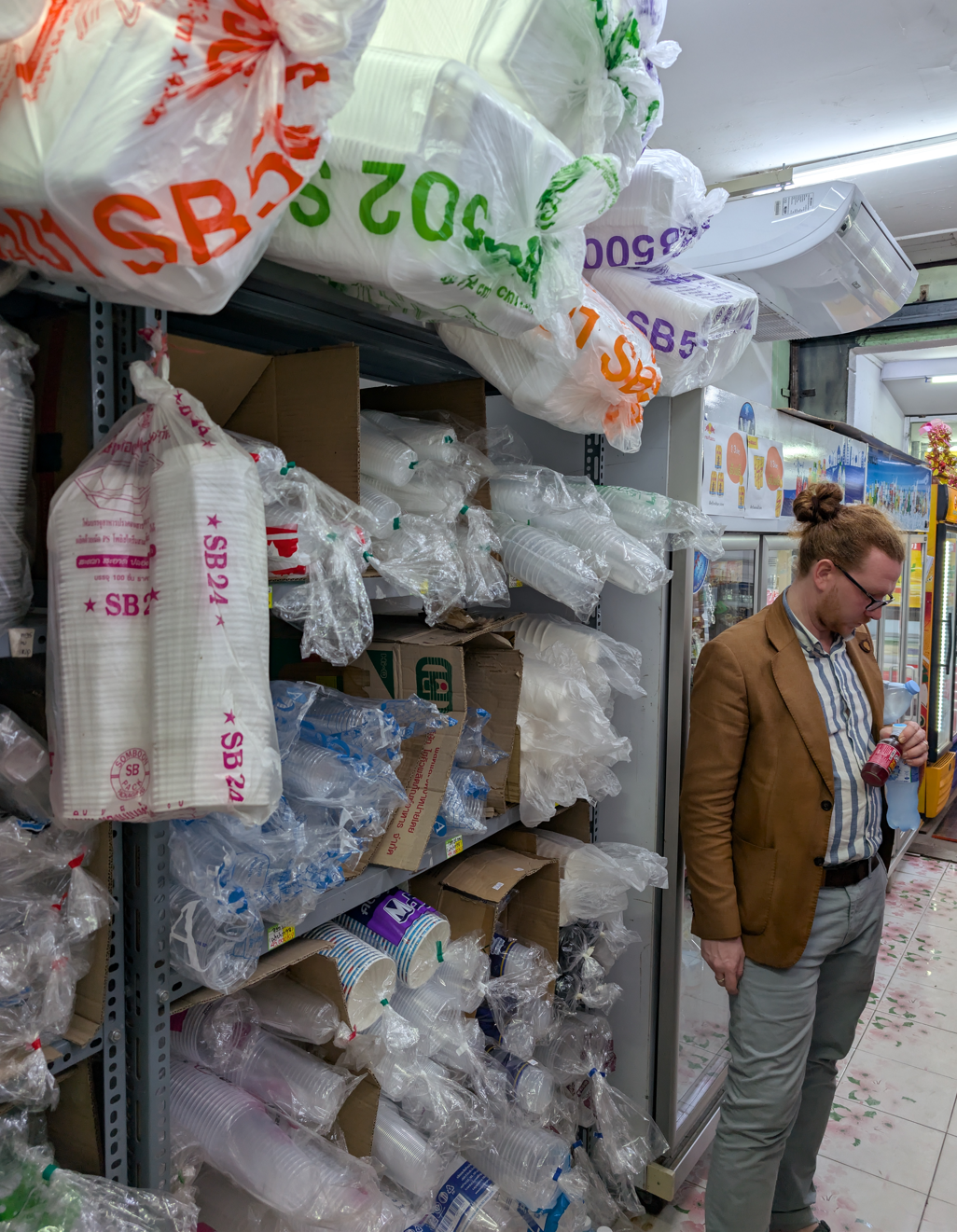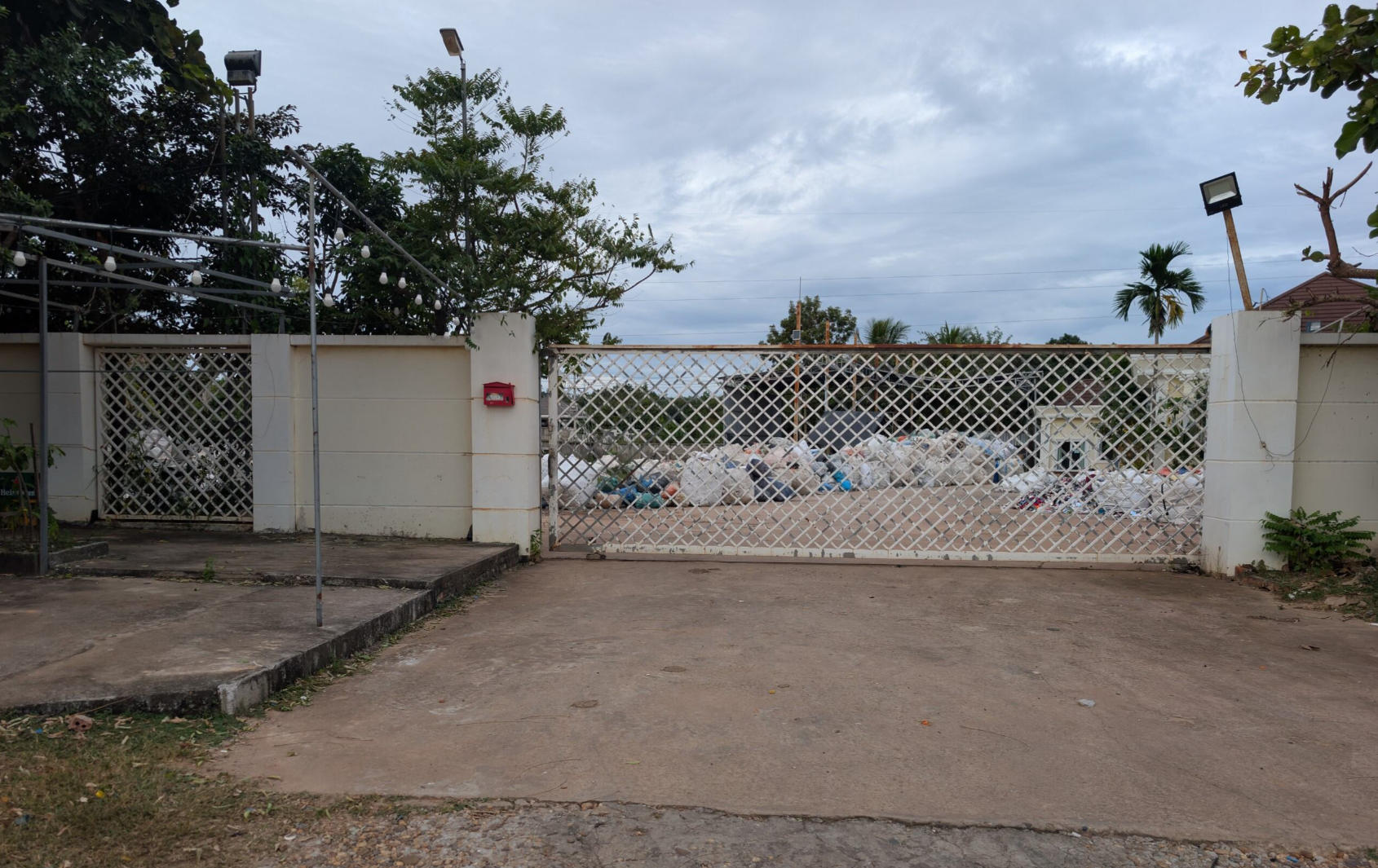

In recent years, Laos has been facing a rapid increase in plastic waste. According to a World Bank study, plastics account for up to 24% of municipal waste, with 95% of plastic pollution coming from just ten single-use items. Despite the growing volume of waste, collection and recycling capacities lag behind—an estimated 40–60% of waste remains uncollected. This situation has direct impacts on the environment, public health, and the local economy. The National Plastic Action Plan 2024–2030 therefore emphasizes reducing plastic consumption and systematically improving waste management. In response, a new project focusing on this issue has been launched. During a two-week mission in the provinces of Savannakhet and Thakhek, a team from the Faculty of Tropical AgriSciences (FTZ), Czech University of Life Sciences Prague (CZU Prague), initiated data collection that will serve as the foundation for realistic and sustainable plastic management solutions.
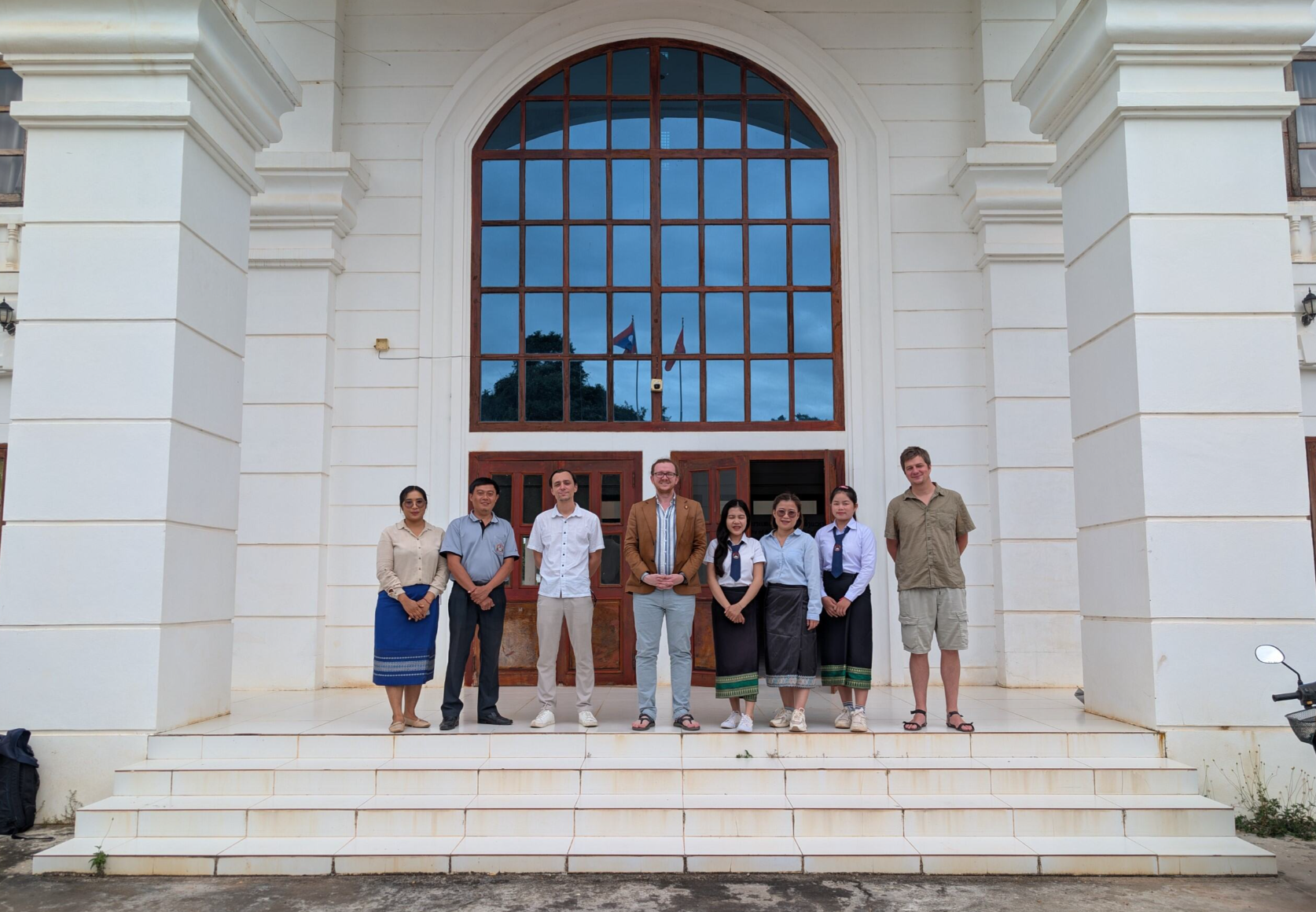
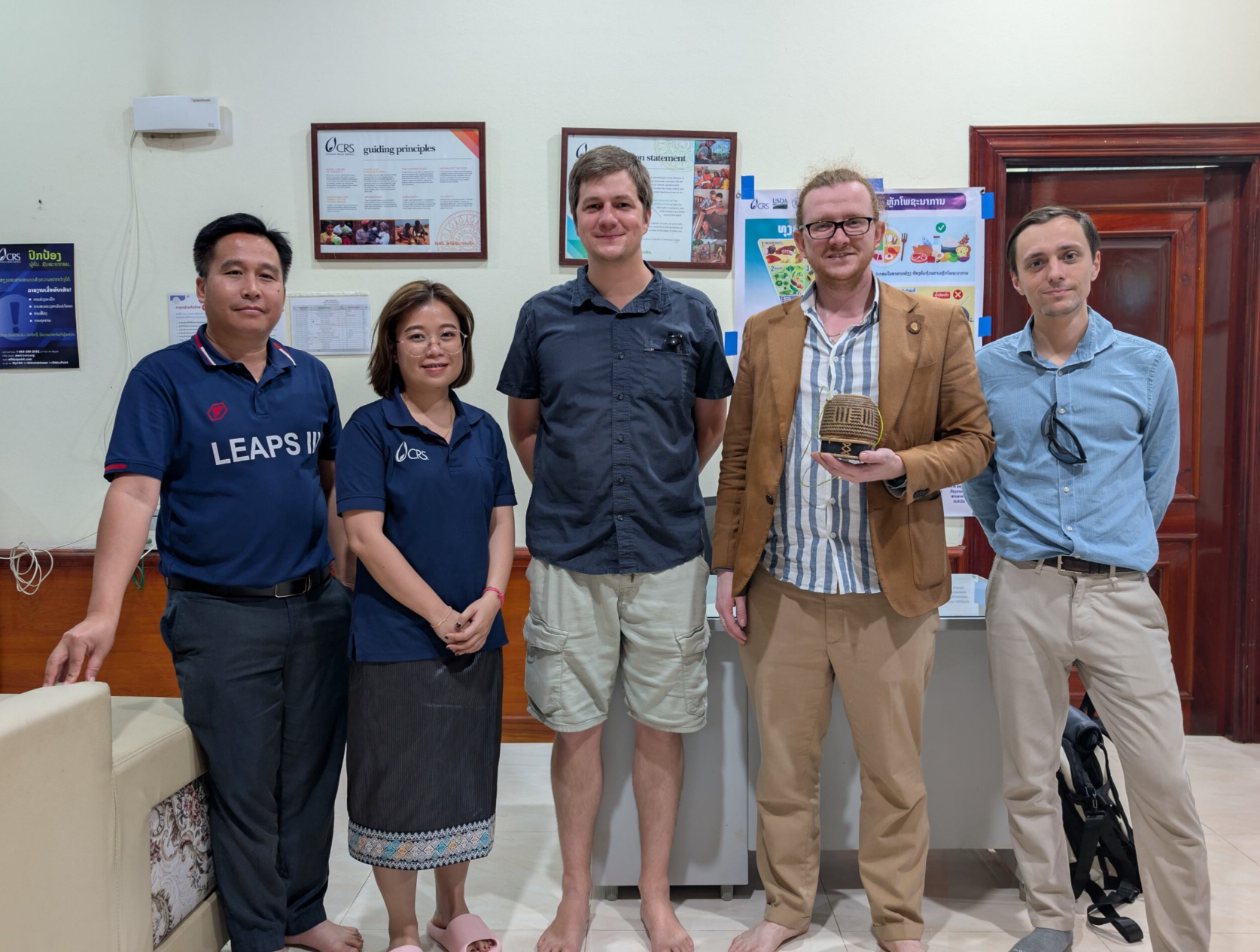
The mission was carried out by Assoc. Prof. Hynek Roubík, Ph.D., Dr. Jan Staš, and Antoine Bercy from the BioResources and Technology Division of FTZ, in collaboration with Savannakhet University, Caritas Czechia, and Catholic Relief Services (CRS). This partnership combines scientific expertise with hands-on experience in local development, ensuring that the research reflects real conditions on the ground.
During the mission, the team worked closely with CRS and university partners to finalize the data collection methodology, including refining sampling strategies, questionnaires, and waste audit procedures. The approach was carefully adjusted to reflect the realities of both urban and rural communities. A group of staff and students from Savannakhet University was trained in field data collection, learning how to conduct household interviews, record consumption patterns, and document local waste management practices through practical exercises and pilot testing.
“Data collection was carried out in several phases: we combined desk research, household surveys, surveys of small businesses (such as cafés, restaurants, and shops), and local markets, along with focus group discussions, in-depth interviews with key informants, and a basic stakeholder analysis. Local enumerators from our partner university were trained in the topic, sampling methodology, and safety protocols, with a strong emphasis on data quality, confidentiality, and error identification procedures,” explains Jan Staš.
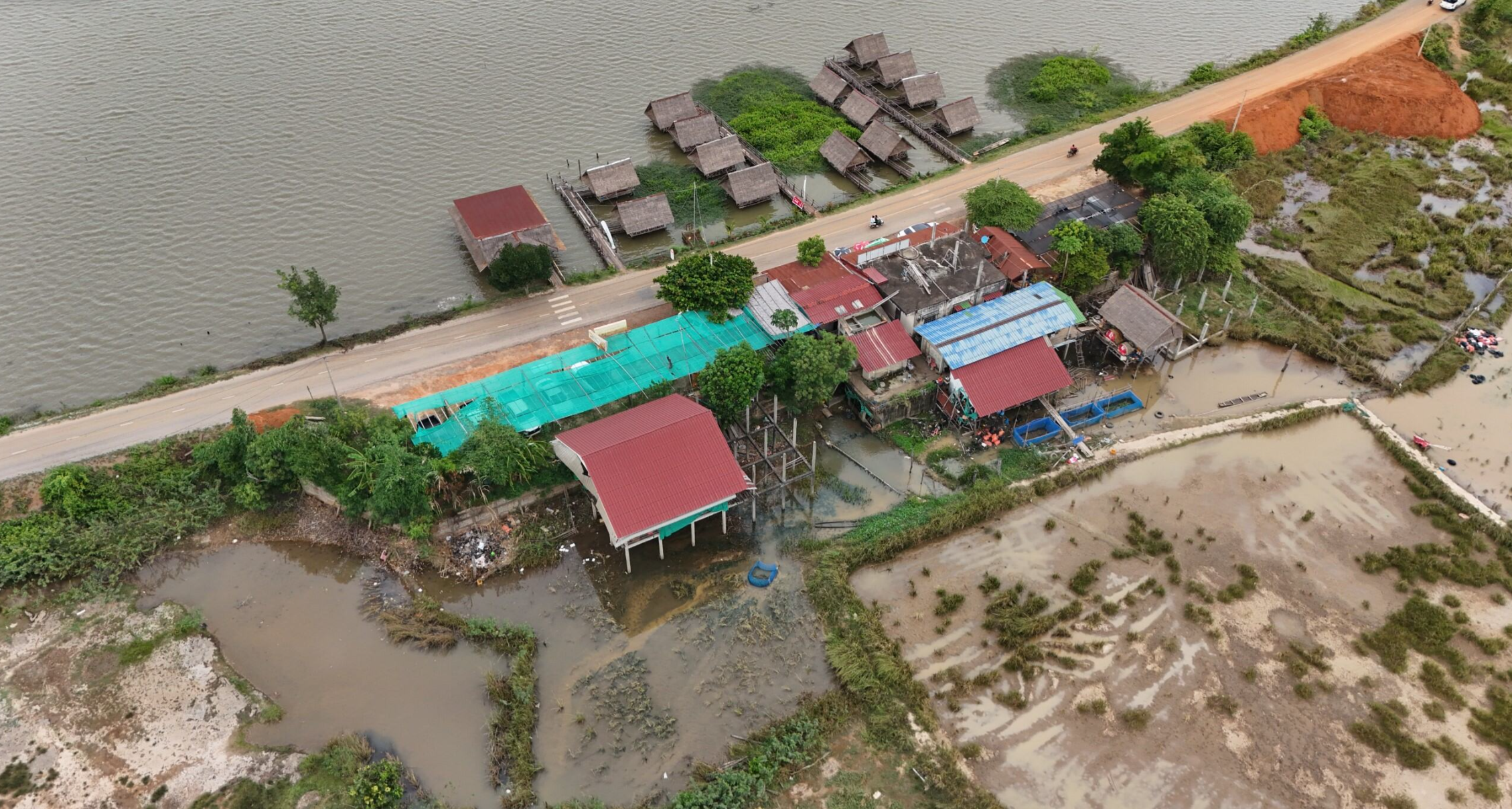
Following the training, data collection officially began in selected communities across both provinces. CRS staff accompanied the trained fieldworkers during the first days to ensure data consistency and smooth entry into the communities. Initial observations indicate a strong reliance on plastic packaging, limited waste collection services, but also a clear willingness among both residents and local authorities to improve the situation.
This mission represents a crucial step in building a solid foundation for future interventions. By combining local knowledge with academic expertise, the project aims to contribute to more effective and sustainable waste management solutions in Laos. Further fieldwork and analysis will continue in the coming months and years, culminating in a comprehensive baseline report with recommendations for the next phase of the project.
“This field mission was an important step towards understanding the real causes and impacts of plastic waste in local conditions. Our goal is not to bring universal solutions, but to work together with local partners to find approaches that are sustainable in the long term and practically feasible. We see the connection between science, field research, and local experience as the key to success,” concludes Assoc. Prof. Hynek Roubík, Ph.D., Dean of the Faculty of Tropical AgriSciences at CZU Prague and Head of the BioResources and Technology Division.