
The Faculty of Tropical AgriSciences (FTZ), Czech University of Life Sciences Prague (CZU Prague) is part of the international Fairtrade Schools initiative – a movement that connects education, responsible consumption and global responsibility. The Fairtrade School designation is awarded to institutions that actively support fair trade principles and sustainable approaches in both everyday operations and teaching.
At FTZ, we have long been committed to responsible consumption, fair trading relationships and Global South issues, not only within our study programmes but also through extracurricular activities. A key role in this engagement is played by active student organisations, especially the BeFair student association, with whom the faculty cooperates on a regular basis.
Together, we take part in initiatives such as the Exhibition on Trees, which brings current global topics closer to the general public, and organise community events like the BeFair Picnic, connecting students, staff and the wider community.
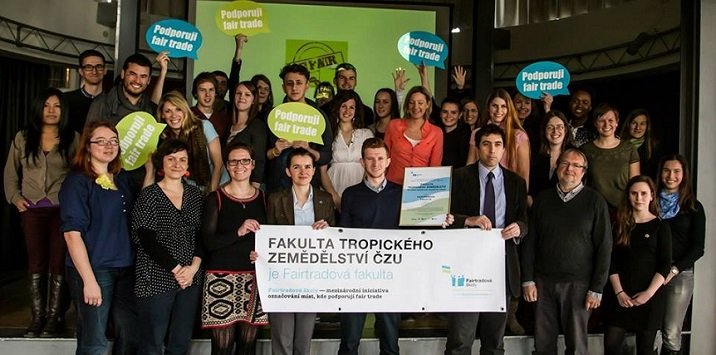
Thanks to this cooperation and strong student involvement, FTZ has become the second Fairtrade Faculty in the Czech Republic – a place where the values of fairness, sustainability and education come together with real-world impact.
More information about the Fairtrade Schools initiative is available at: fairtradoveskoly.cz
Student Organisations and Fairtrade at FTZ
A number of student organisations operate at the Faculty of Tropical AgriSciences, offering students opportunities to actively engage in faculty life. These organisations contribute to an open, value-driven academic environment and connect studies with practice, community engagement and global perspectives.
BeFair – Fair Trade and Sustainable Lifestyles
The BeFair student organisation, active at CZU Prague since 2013, has become an integral part of the Faculty of Tropical AgriSciences. Open to students from other CZU faculties as well, BeFair provides a platform for promoting Fairtrade principles, sustainable development and responsible consumption. The organisation closely cooperates with Fairtrade Czech Republic and Slovakia.
Goals and activities
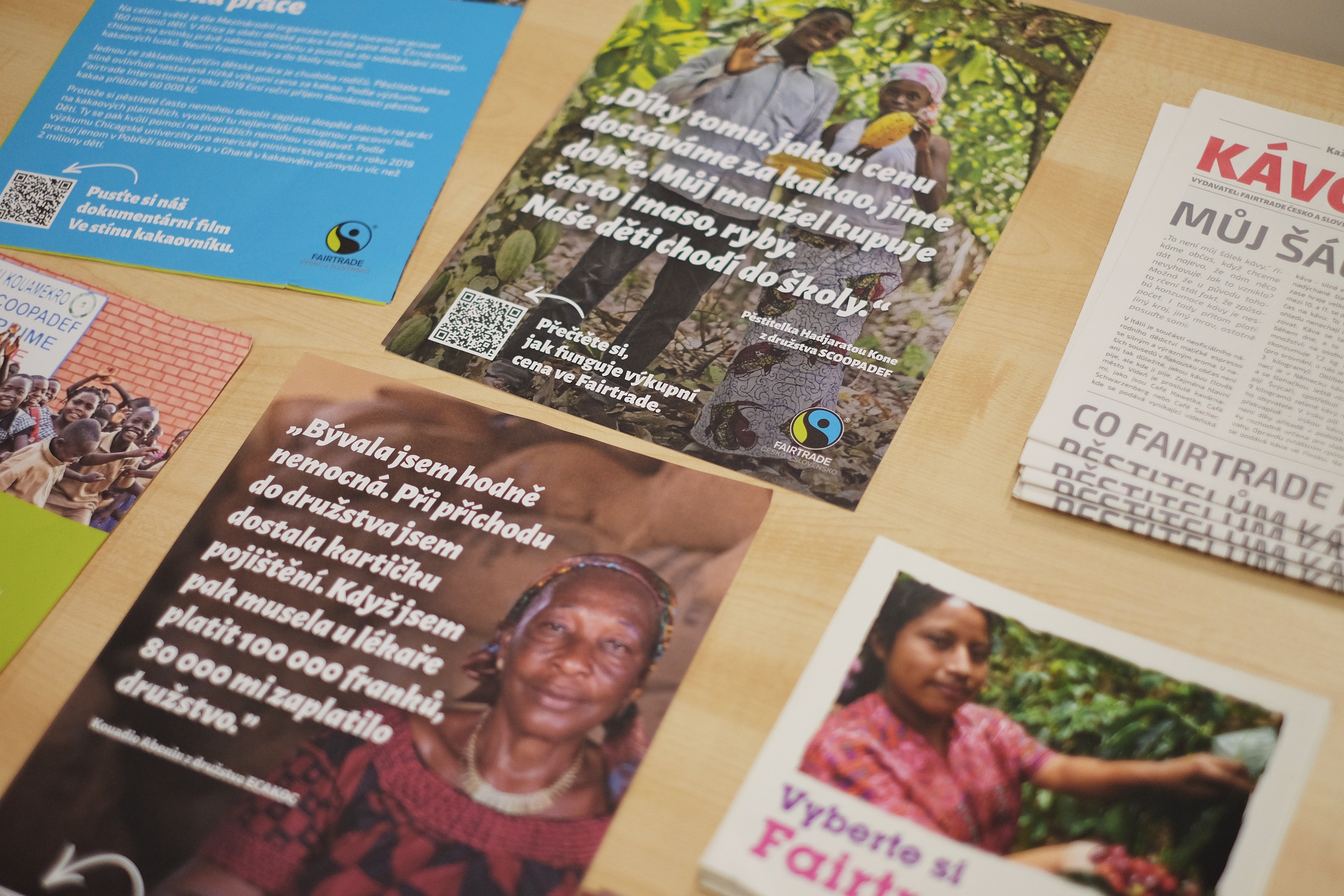
The main goal of BeFair is to promote the concept of fair trade (Fairtrade), which ensures that products are sourced without child or forced labour and that farmers and their suppliers receive fair financial compensation for their work.
The organisation’s activities also cover a broader range of topics, including. sustainability and responsible consumption, recycling and waste prevention, second-hand fashion and efficient use of food, alternative agriculture, community gardens, agroforestry and permaculture.
Education and outreach activities
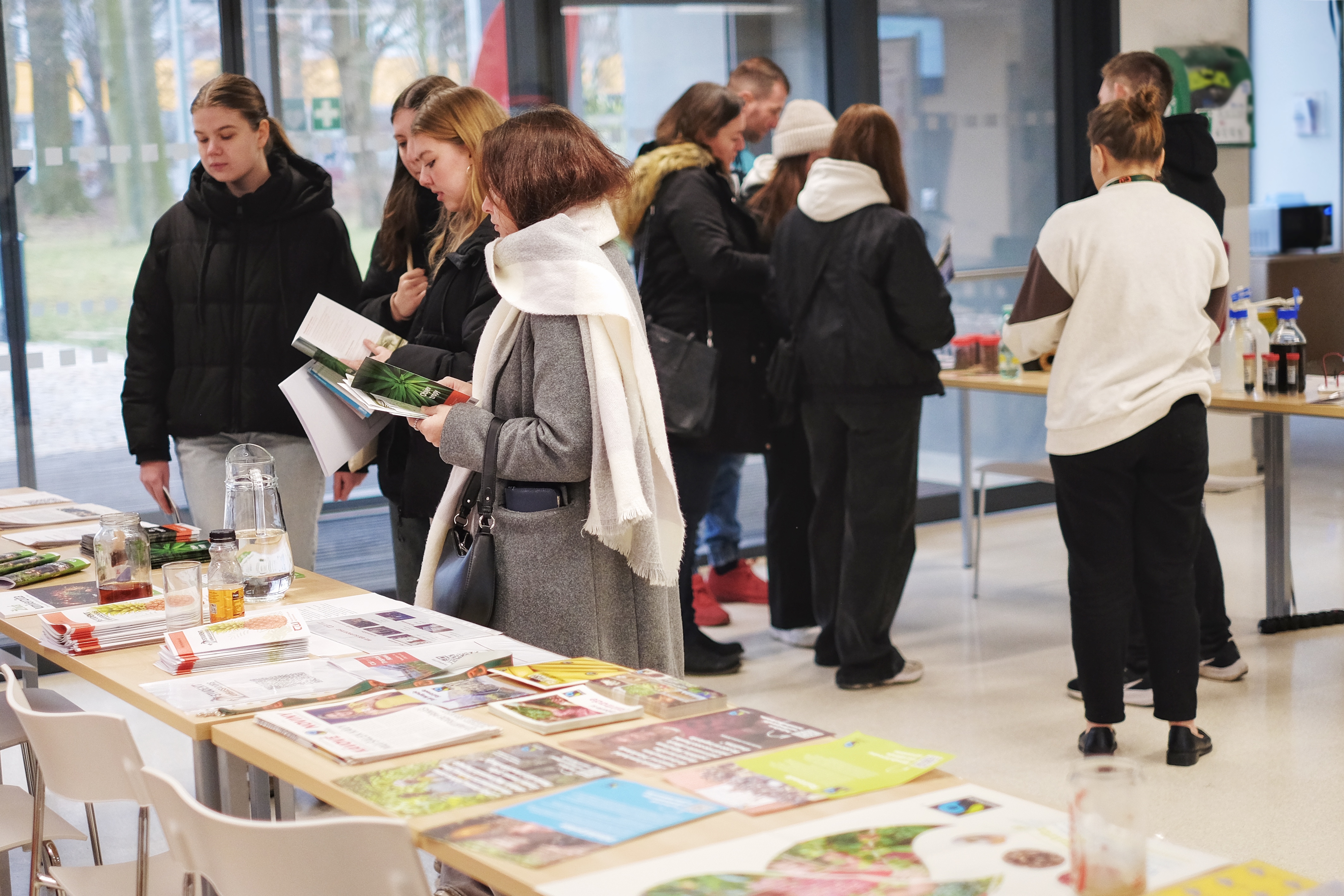
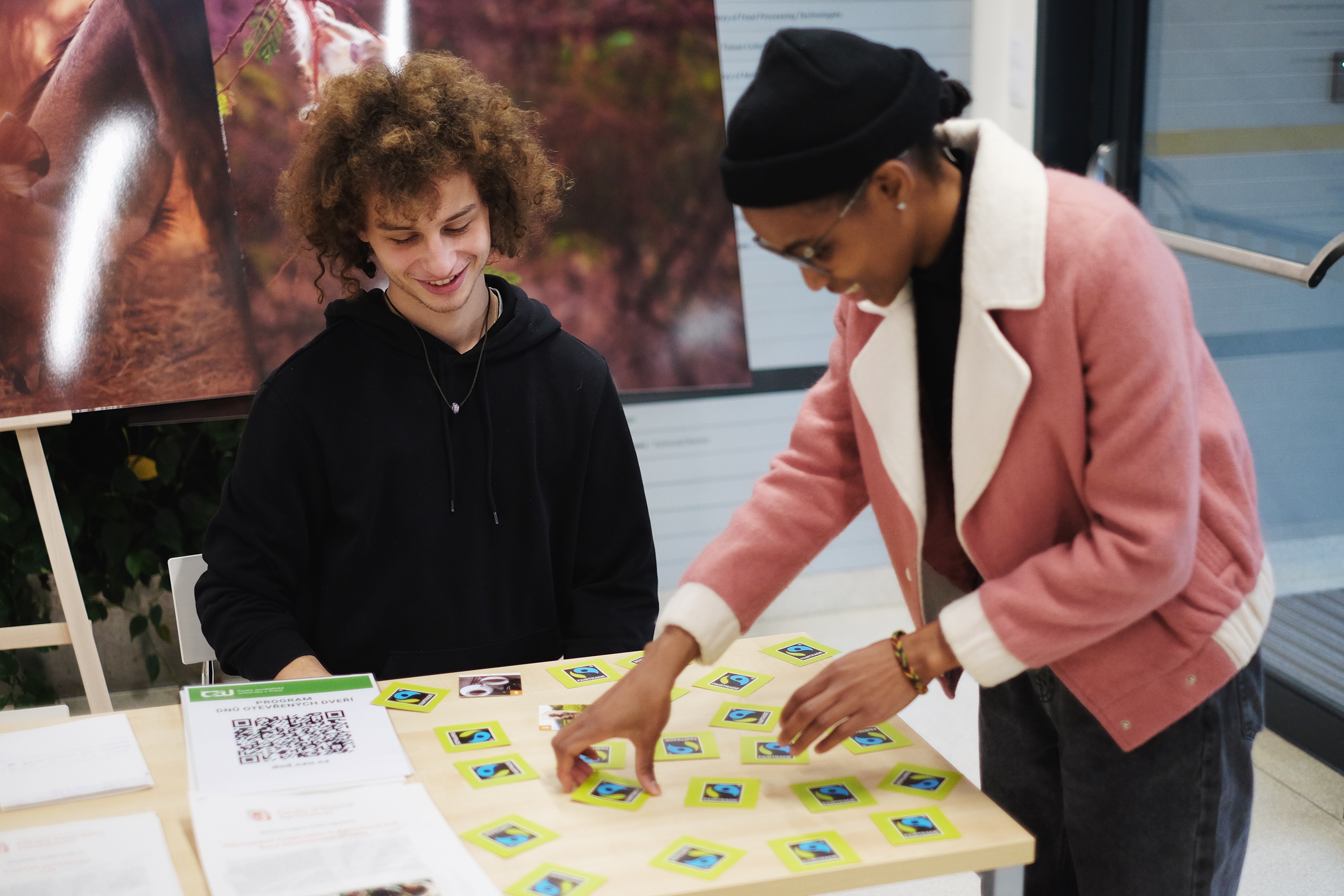
Members of BeFair are actively involved in awareness-raising and educational activities and regularly participate in events organised by CZU Prague. You can meet them at Open Days, university markets or conferences.
How to get involved?
BeFair welcomes anyone interested in sustainability, Fairtrade, responsible food systems or good-quality coffee and food. What matters most is curiosity, a willingness to learn and the desire to be part of an active community.
You can follow BeFair on social media:
- Instagram: https://www.instagram.com/befairso/
- Facebook: https://www.facebook.com/BeFairSO
What is Fairtrade and how does certification work?
Fairtrade is a trading partnership based on dialogue, transparency and respect. It is a certification system for products that meet strict social, economic and environmental standards. Its aim is to enable farmers, employees and workers in Africa, Asia and Latin America to earn a decent living through their own work.
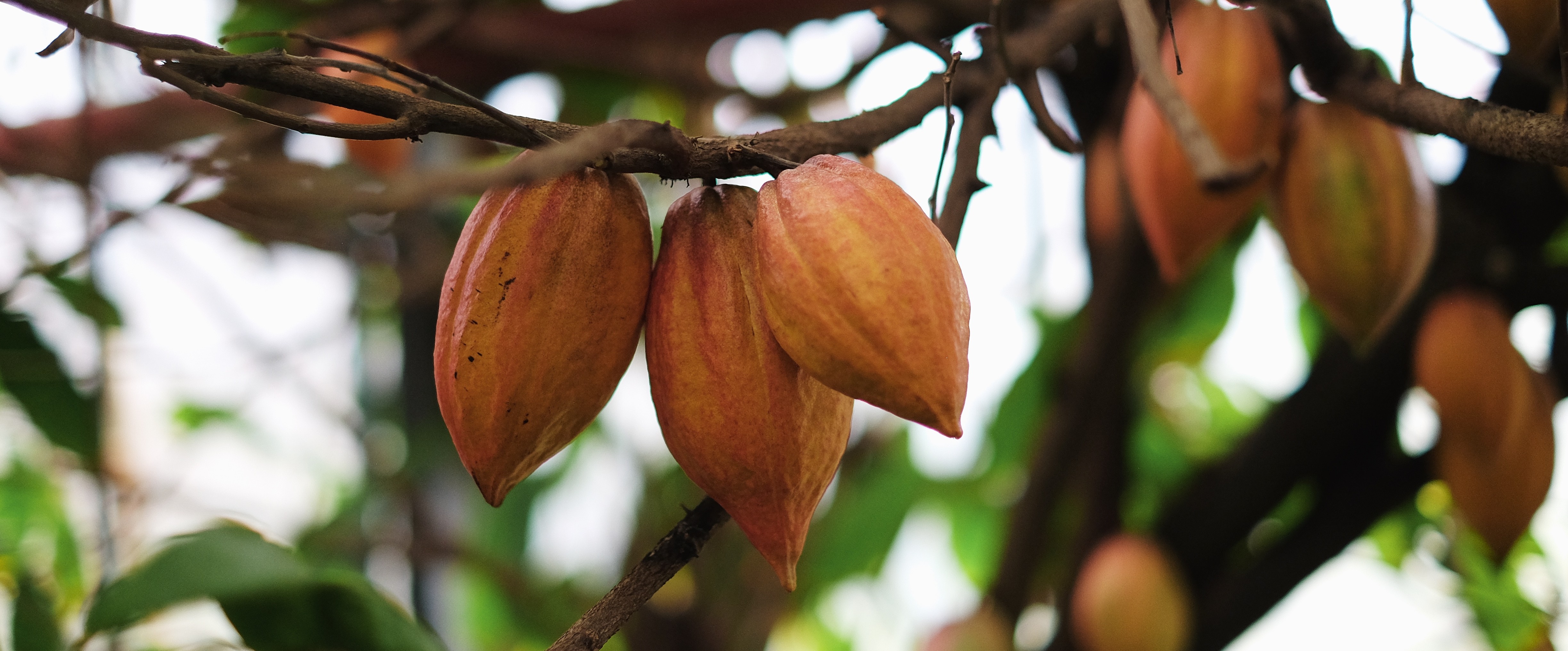
Within the Fairtrade system, producers receive a purchase price for their products (such as coffee, cocoa or sugar) that covers the costs of sustainable production and supports long-term economic stability.
Core Fairtrade principles include:
- fair prices covering the costs of sustainable production,
- long-term trading relationships,
- compliance with International Labour Organization (ILO) conventions,
- prohibition of child and forced labour,
- support for long-term sustainable development of local communities,
- controlled use of pesticides and agricultural chemicals,
- prohibition of genetically modified crops,
- responsible use of natural resources.
The most common Fairtrade commodities include coffee, tea, cocoa, cane sugar, bananas, cotton, cut flowers, rice and spices.
Source: fairtrade.cz