
How can plants become a source of new medicines? And how can DNA analysis help protect endangered species?
During the Open Day at the Faculty of Tropical AgriSciences, visitors will have a unique opportunity to step inside two research laboratories and see how scientific research works in practice – from biological samples to advanced laboratory analyses.
From Plants to Potential Medicines - Laboratory of Ethnobotany and Ethnopharmacology
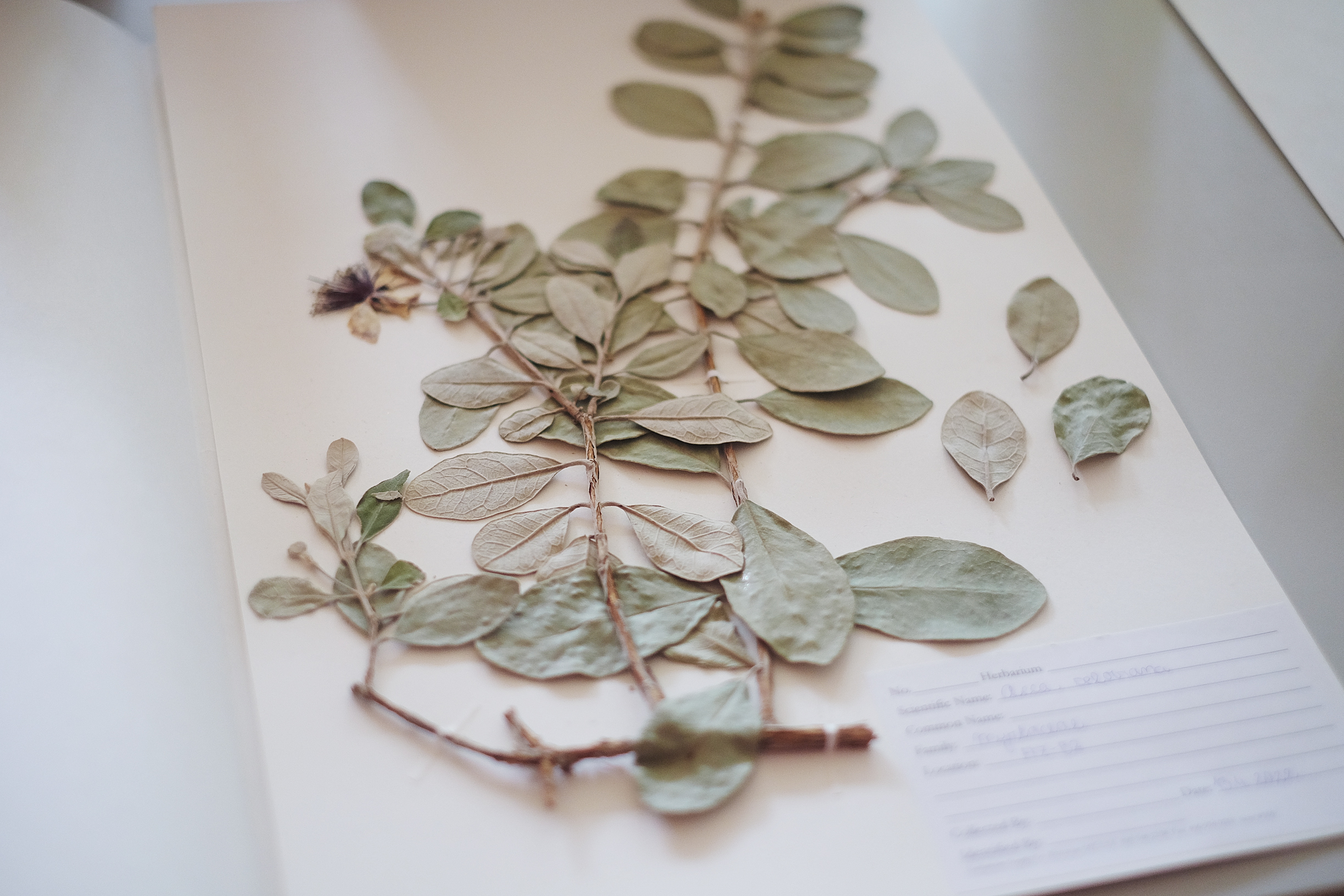
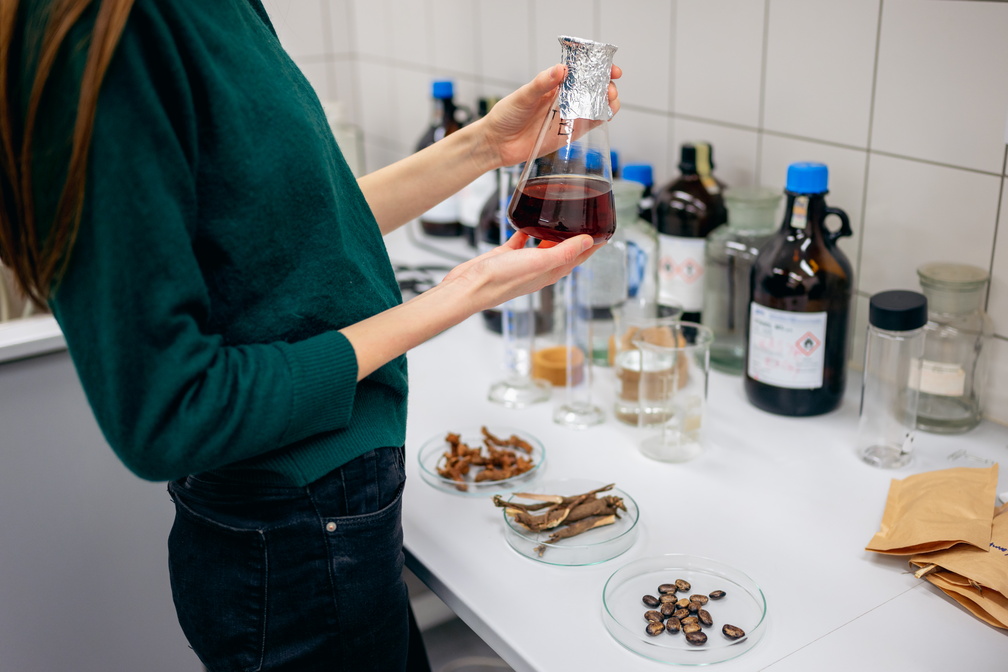
Researchers in this laboratory study medicinal plants and their potential applications in modern medicine. Essential oils are extracted from plant material and analysed to understand their chemical composition and biological properties, such as antimicrobial or antioxidant activity.
During the guided tour, visitors will see the key steps of the research process:
- preparation of plant material and hydrodistillation of essential oils from dried plants,
- analysis of their chemical composition using gas chromatography in the phytochemistry laboratory,
- testing of antimicrobial activity in the microbiology and pharmacology laboratory.
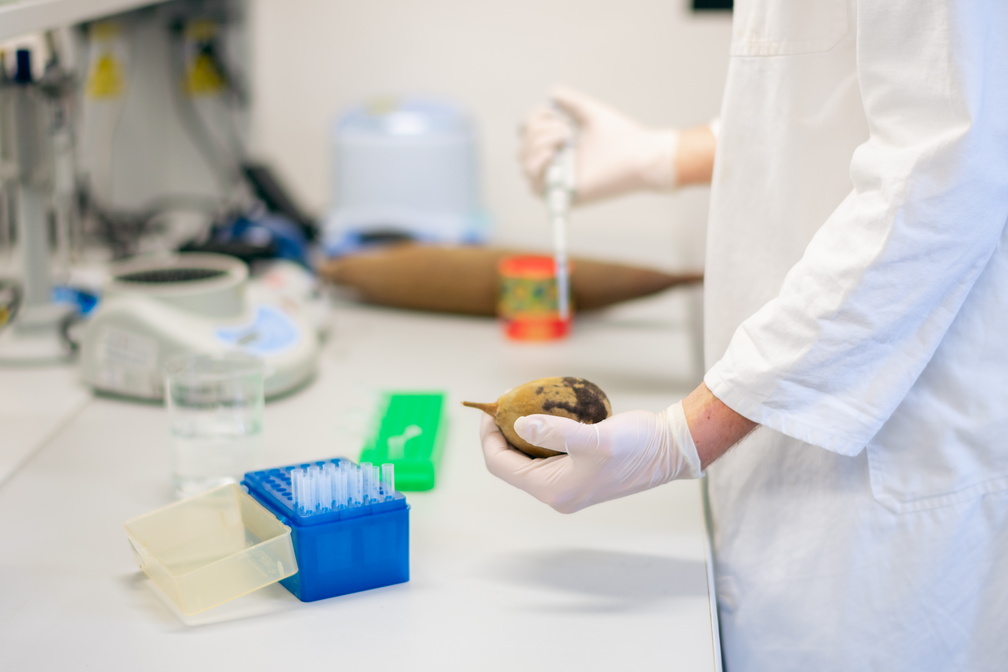
You will also see specialised laboratory equipment such as flow boxes, an automated system used for testing antimicrobial activity, and an anaerobic chamber used for research on anaerobic bacteria.
The tour will demonstrate how research on natural compounds can contribute to the search for new alternatives to antibiotics.
From Samples to DNA: Genetics for Biodiversity Conservation - Laboratory of Molecular Genetics
The Laboratory of Molecular Genetics is part of the research team MEGERA (Molecular Ecology, Genetics and Evolutionary Research of Animals), which focuses on animal genetics and its applications in evolutionary research and biodiversity conservation.
During the Open Day, visitors will learn:
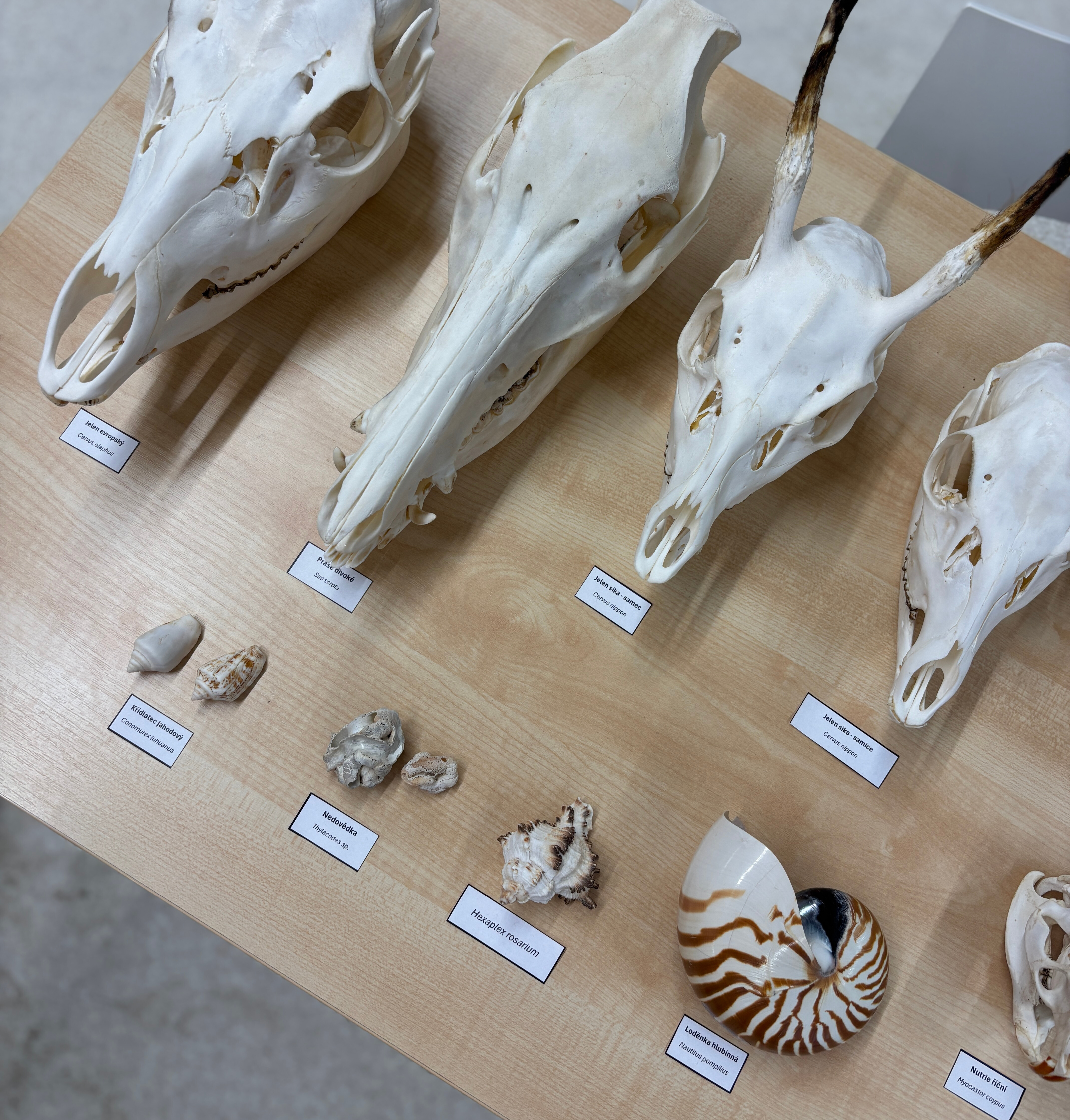
- what types of biological samples can be used to obtain animal DNA,
- which instruments are used for genetic analysis,
- what the results of genetic analyses look like, such as DNA sequences or electrophoresis gels,
- and which research projects the laboratory team is currently working on.
You will discover how genetic methods are used to study animal populations, determine relatedness, and support the conservation of endangered species. Visitors will have the chance to see where scientific discoveries begin – and how studying at the Faculty of Tropical AgriSciences connects nature, research and modern technology.