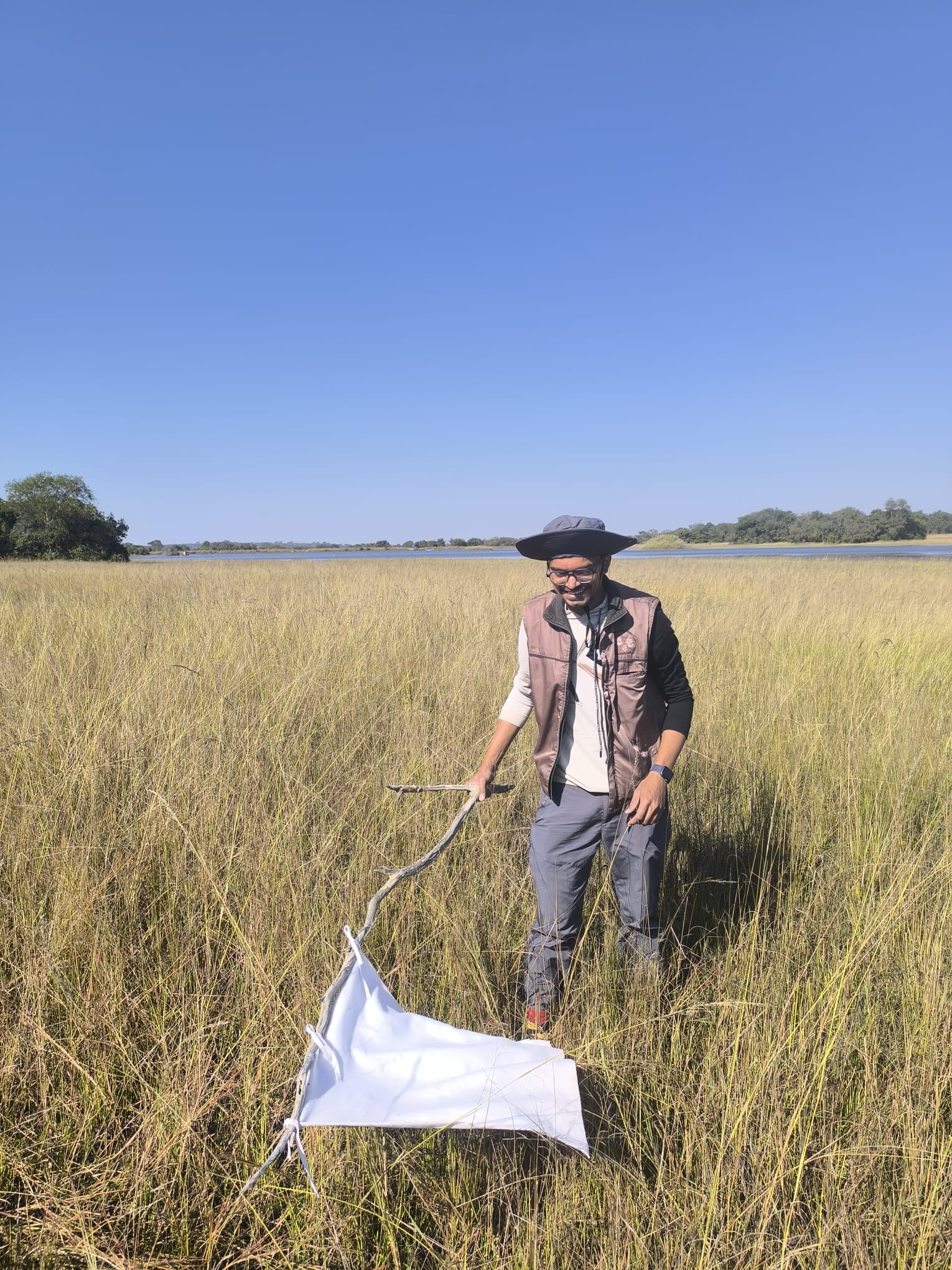

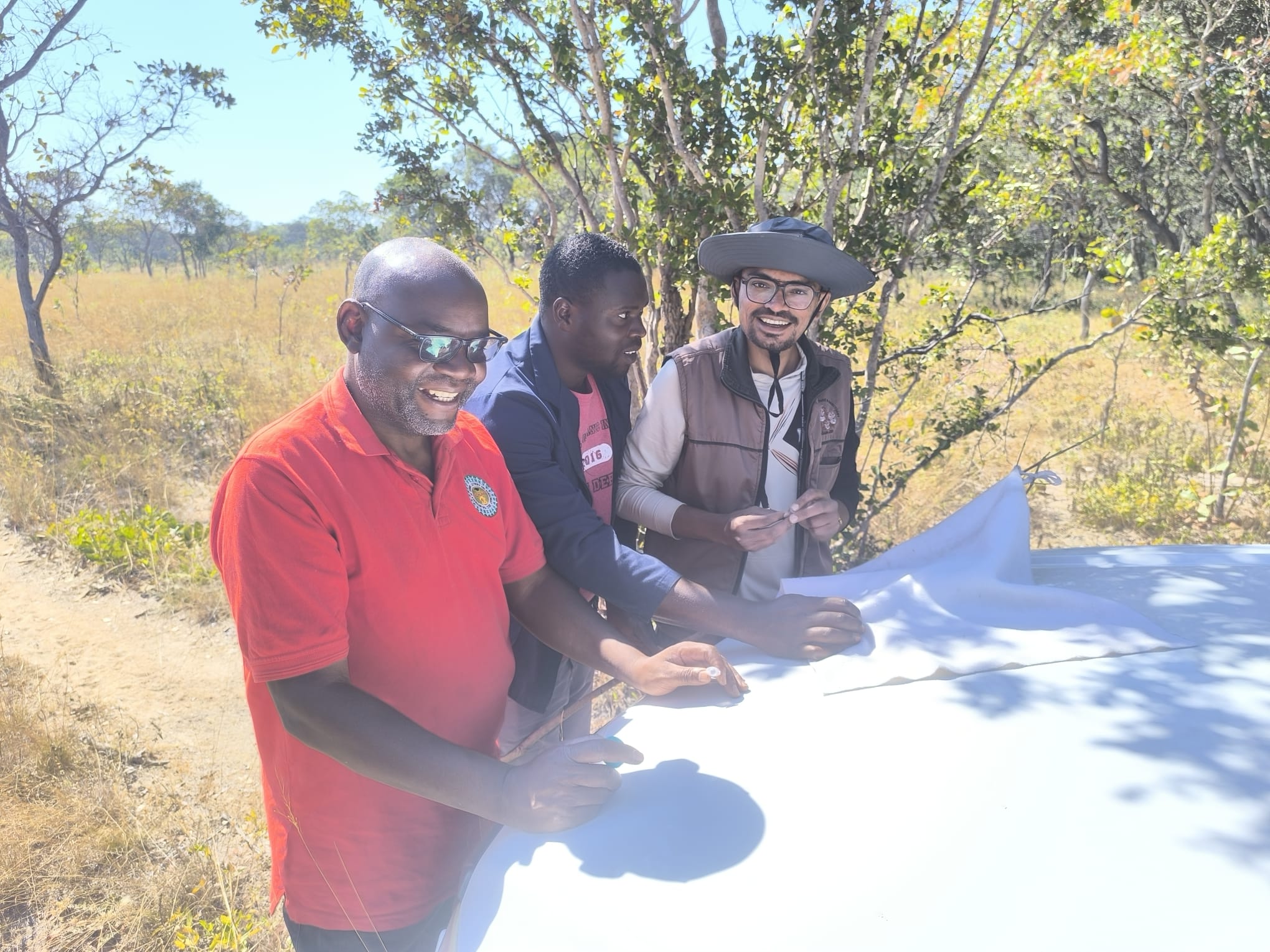
When someone says they have returned from hunting dangerous animals in Africa, most of us imagine lions, leopards, buffaloes, or crocodiles. Researchers from the Czech University of Life Sciences Prague (CZU), however, travelled to Zambia not for a safari, but in search of much smaller and far more dangerous animals: ticks.
Together with colleagues from The University of Zambia (UNZA), Associate Professor Jiří Černý and Dr. Jignesh Italiya collected ticks at several locations across Zambia, including the Chaminuka Game Reserve.
Why ticks?
Despite their tiny size, they transmit a wide range of pathogens that threaten both human and animal health. These include the Crimean-Congo haemorrhagic fever virus, Coxiella burnetii, the bacterium causing Q fever, and pathogens responsible for major livestock diseases such as Theileria parva, the causative agent of East Coast fever, and Ehrlichia ruminantium, which causes heartwater.
The collected samples will be complemented during future field expeditions and analyzed directly in Zambia using the CZU mobiLAB mobile laboratory. This will enable rapid, on-site detection of dangerous pathogens without the need to transport samples to distant laboratories.
This research is being carried out in collaboration between CZU and UNZA as part of the Erasmus+ programme, contributing to improved surveillance of zoonotic diseases and other One Health threats in southern Africa.