
Can biodiversity protection become not only a moral and ecological imperative, but also a sound investment opportunity? As climate finance gains momentum and sustainability moves to the center of boardroom agendas, a key question is emerging: how can we finance nature in a way that is credible, measurable, and economically viable in the long term?
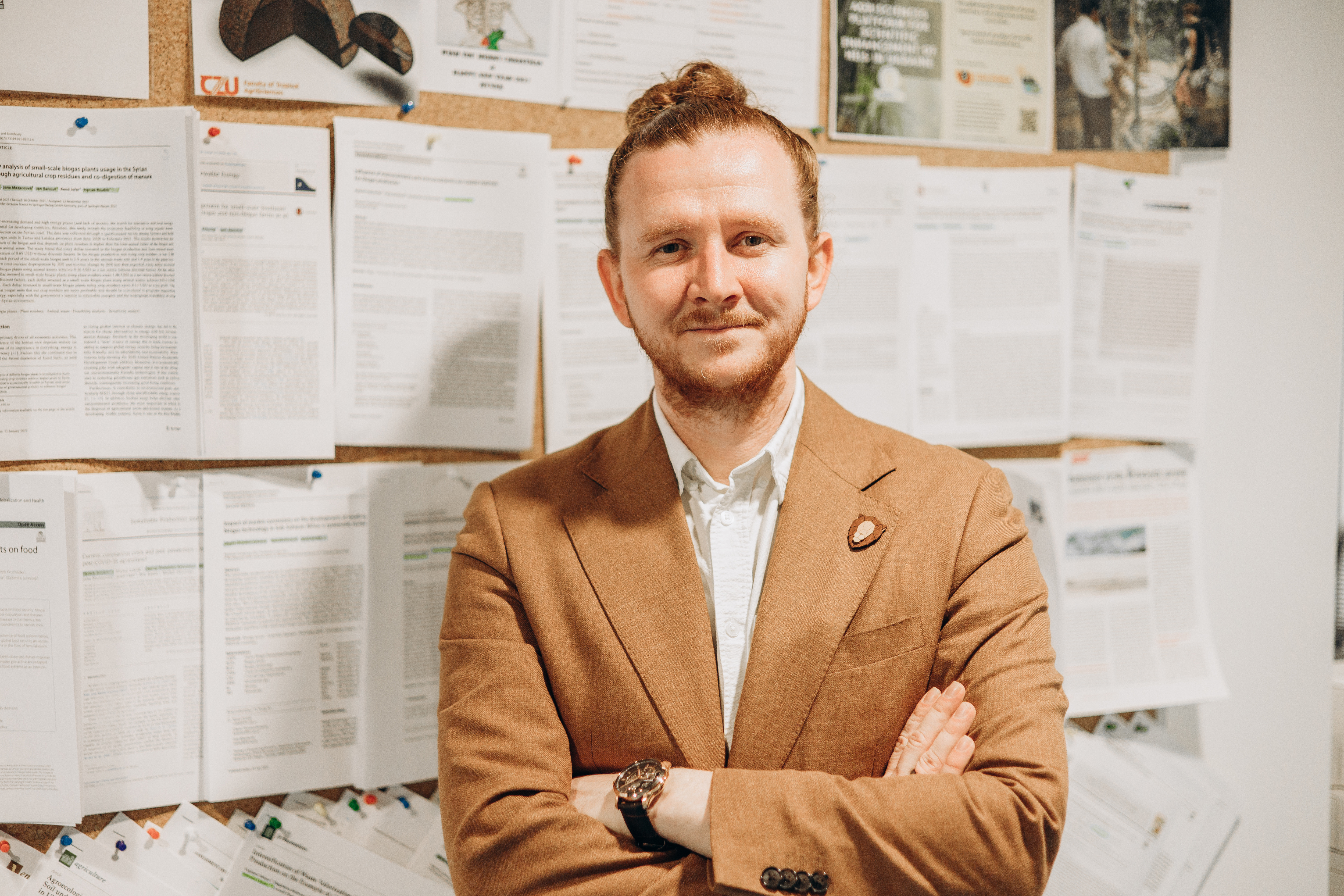
This challenge is explored by Assoc. Prof. Dr. Hynek Roubík, Dean of the Faculty of Tropical AgriSciences and Director of the Business Research Team (BRT) at the Faculty of Tropical AgriSciences, Czech University of Life Sciences Prague, and coordinator of the international BIO-CAPITAL project. In his commentary “Biodiversity Needs a Business Model: Rethinking How We Finance Nature,” he examines how science and finance can work together to create trustworthy frameworks for biodiversity investment.
The economic cost of biodiversity loss
According to the World Bank, global economic losses caused by ecosystem degradation could reach USD 2.7 trillion per year by 2030. Despite this alarming figure, investment in nature-based solutions remains far below what is needed to halt biodiversity loss.
The BIO-CAPITAL project seeks to address this gap by developing science-based financial mechanisms capable of attracting private capital while safeguarding ecological integrity and local ecosystems.
Making biodiversity investable
BIO-CAPITAL introduces innovative tools that connect ecology, data, and finance. Key approaches include:
- Monitoring, Reporting and Verification (MRV) systems using AI and remote sensing
- Natural Capital Accounting to quantify ecosystem services
- Biodiversity certificates and credits grounded in transparent, verifiable data
- Financial instruments such as sustainability-linked bonds and blended finance models
The goal is not to commodify nature indiscriminately, but to enable long-term, responsible, and measurable investments that support biodiversity protection.
Risks and responsibility
Dr. Roubík also warns of the risks associated with turning biodiversity into tradable assets. Without strong scientific foundations, transparent governance, and the involvement of local communities, biodiversity finance may lead to greenwashing and loss of credibility.
For nature finance to succeed, he emphasizes the importance of transparency, accountability, and stakeholder co-design, particularly with communities that depend directly on healthy ecosystems.
Towards a new financial architecture for nature
In conclusion, Dr. Roubík calls for a new financial architecture that embeds biodiversity into decision-making across sectors, integrates it into ESG standards, and rewards long-term, nature-positive investments.
The accompanying video offers a brief but insightful glimpse into the leadership mindset and vision guiding BIO-CAPITAL forward.
Project website: https://bio-capital.eu/
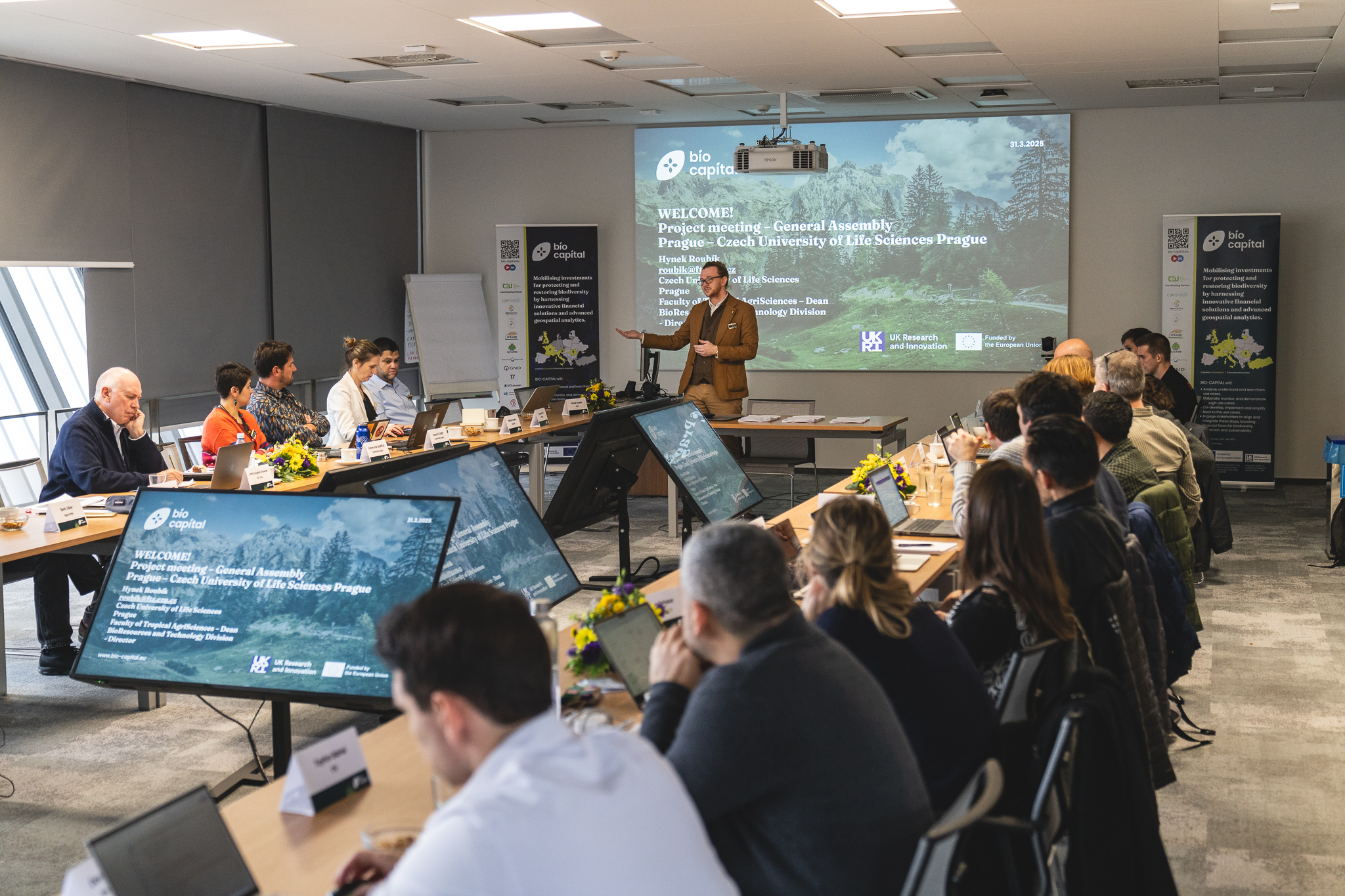
More on the most recent project Prague meeting: HERE